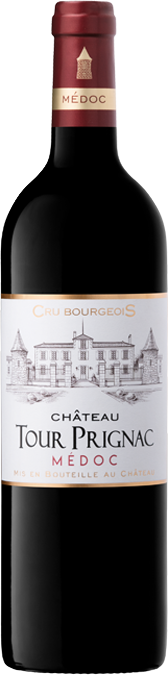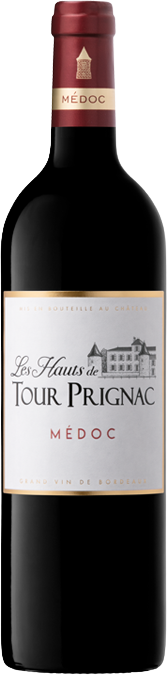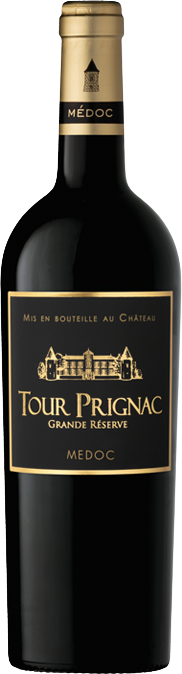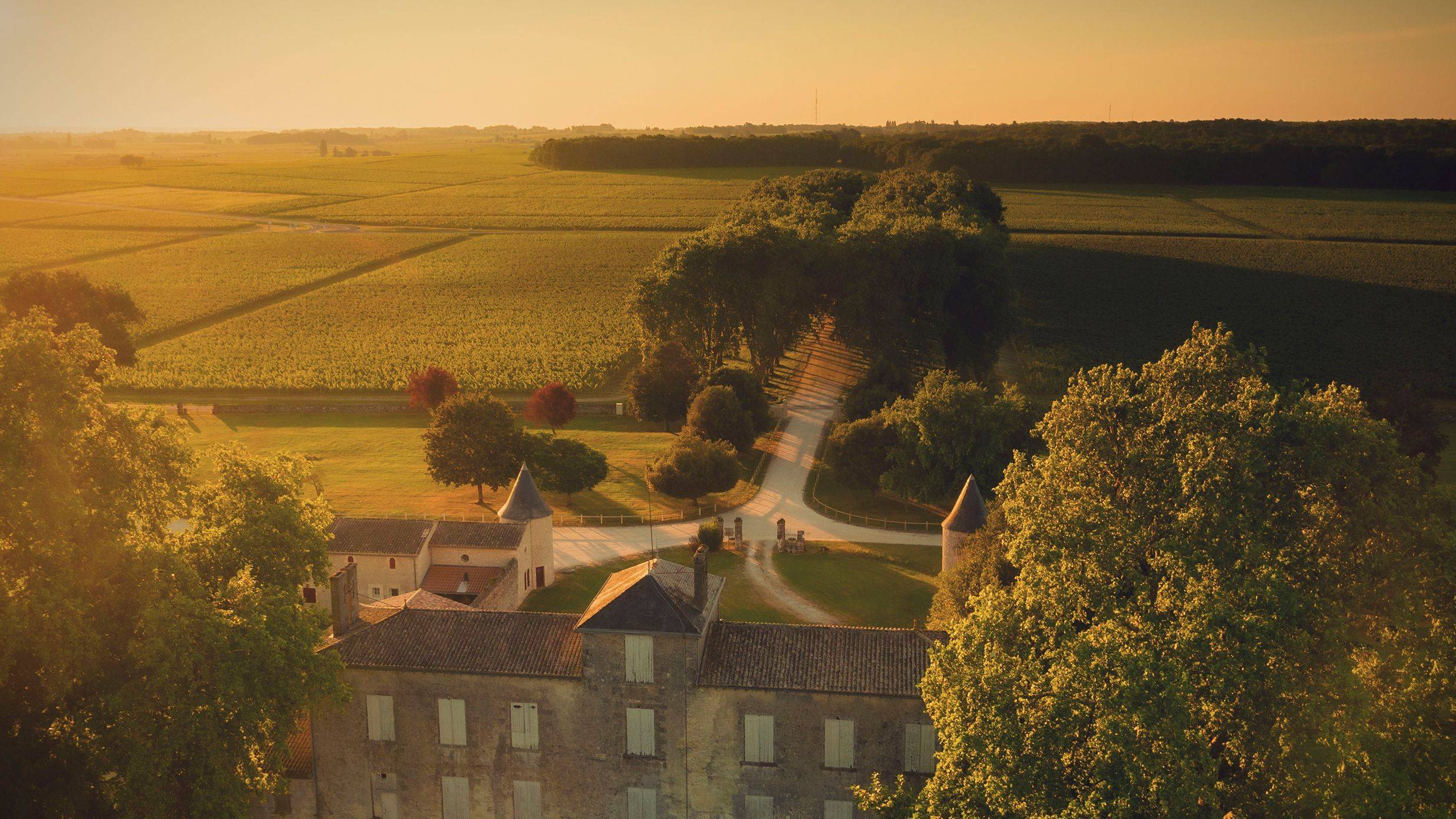
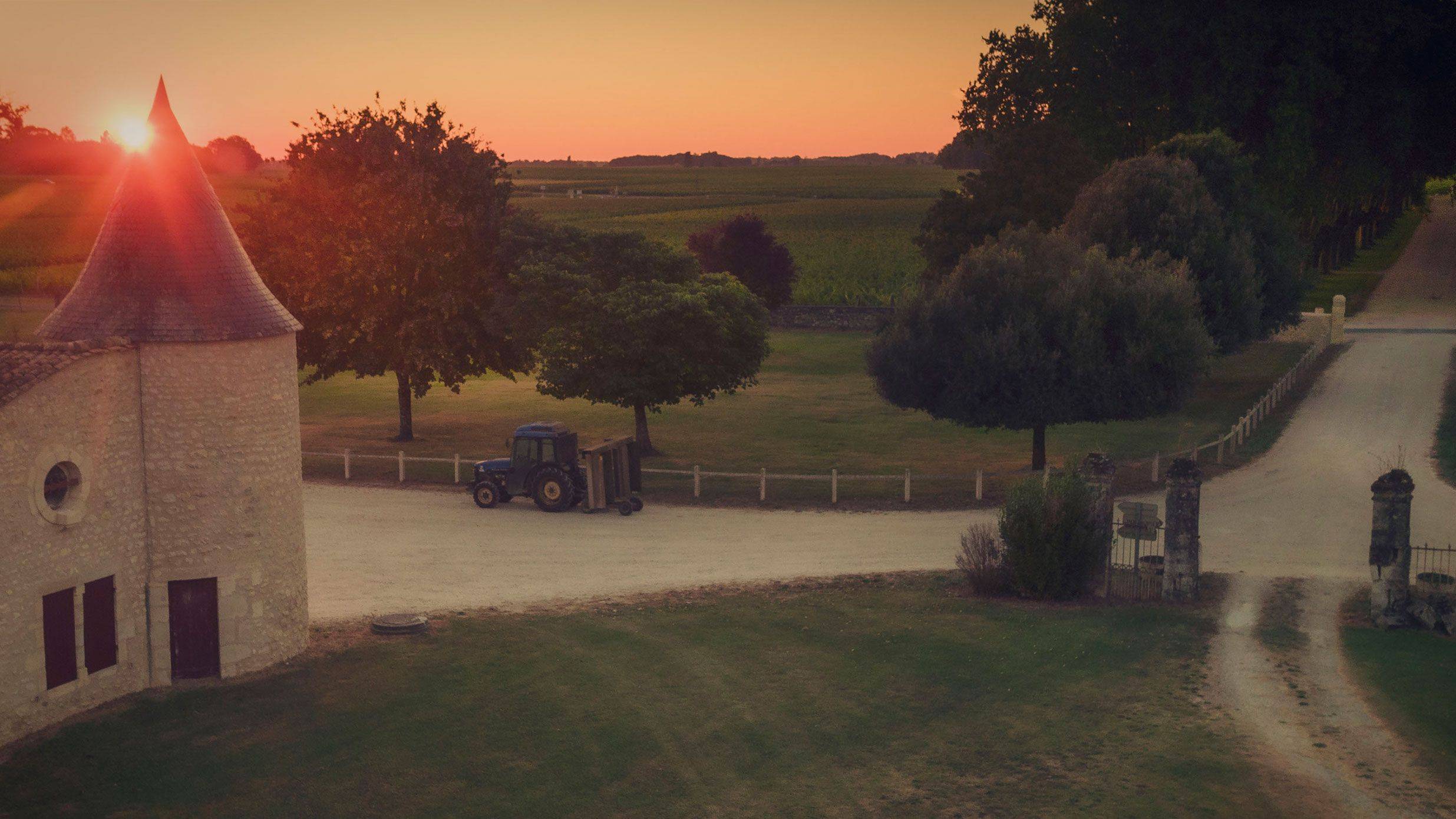
Château Tour Prignac is an ancient fortified house dating from the 17th century. With its three towers, including a dovecote, it is surrounded by vines and its architecture favours space, light and the landscape. The place is a happy blend of modernism and classicism, where stone and colours are in perfect balance. The avenue of plane trees that leads up to the château is majestic, and the park enjoys the most bucolic tranquillity. During the Second Empire, an agricultural engineer, Pierre Edouard Seignouret, planted the first hectares of vineyards on the Domaine de “Tartuguière”, the old name of the estate, whose origin comes from “tartugue” or “Tortugue”, meaning “tortoise” in the old rural language. It is assumed that the presence of turtles in the surrounding waters justified this name. On the walls of the property, there is an engraving depicting a tortoise with the initials A.S., for Albert Seignouret. Albert Seignouret was the son of Pierre Edouard Seignouret, who continued his father’s work after his death in 1895. He was constantly experimenting with all kinds of things, including ‘hybrid’ plantations of grape varieties, which earned him a reputation as a dreamer and adventurer in the wine world. Shortly before the Spanish Civil War, the estate was sold to the Duke of Infantado and Francavilla, a general in the Spanish army. This Spanish grandee traded fine wines for cattle and the estate fell into oblivion until the Castel family bought it in 1973. They then undertook a titanic task, rehabilitating the vineyards, the arable land and the residential and farm buildings. She gave a new lease of life to this sleepy château, increasing it to 300 hectares, including 144 hectares of vines. This renaissance also included the transition to the name “Château Tour Prignac”, in reference to the estate’s towers.
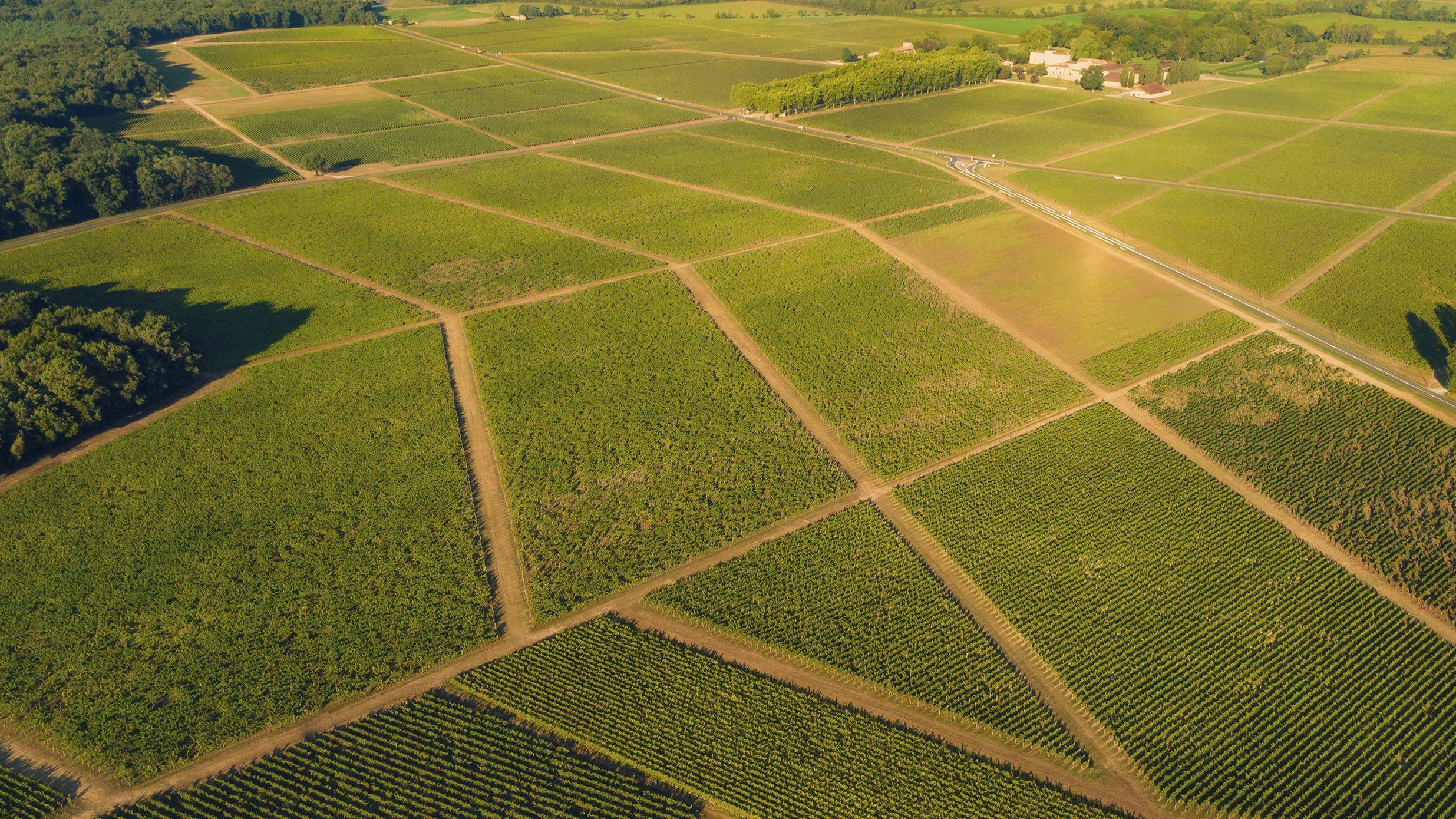
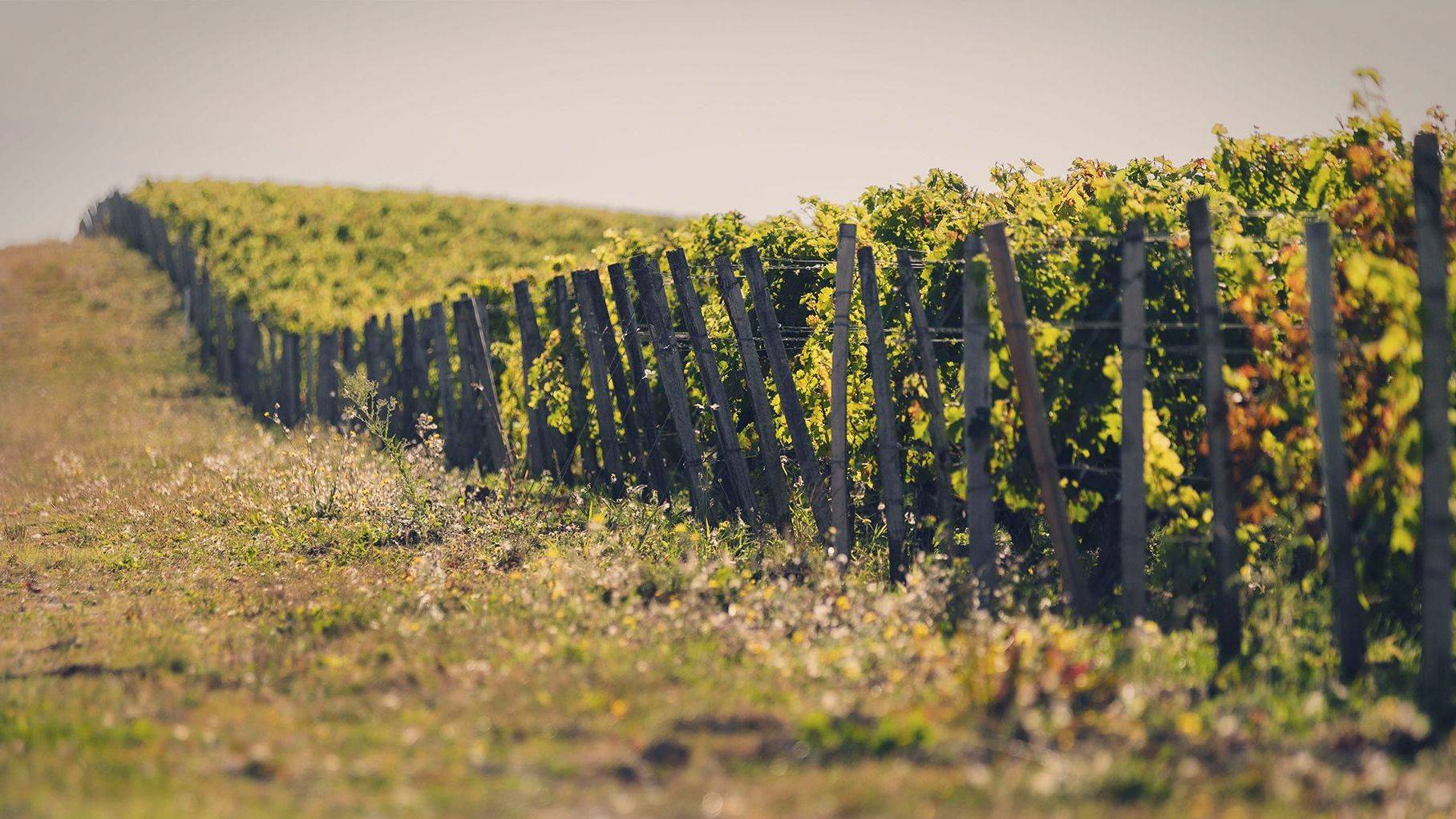
The estate, the largest in the Médoc in a single block, covers 300 hectares, with 144 hectares of vines. It is a mixed farming estate, including cereals, hay for cattle and horses. 24% of the land is given over to agro-ecological areas, such as trees, hedges, flower-filled fallows with beehives, fields and a large area of woodland. The terroirs are mainly made up of clay soils where the Merlot grape grows, and clay-limestone soils where the Cabernet Sauvignon grape grows. The vineyards are cultivated with respect for the specific characteristics of the soil, and the grape varieties have been planted according to the different terroirs and orientations of the vines. Planting density is high, at 7,800 vines per hectare. This compares with the minimum of 5,000 vines per hectare required by the appellation.