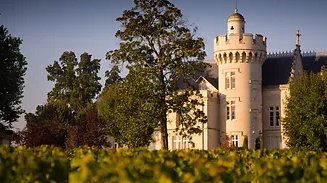
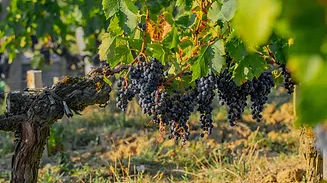
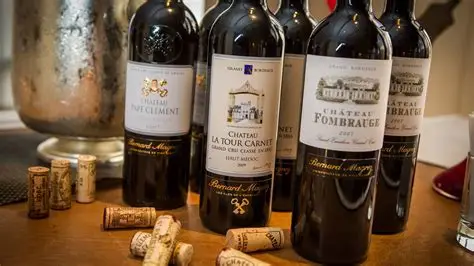
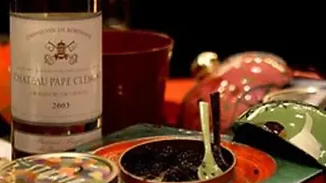
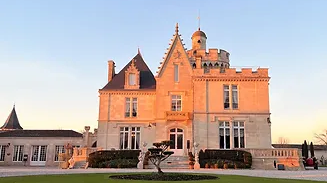
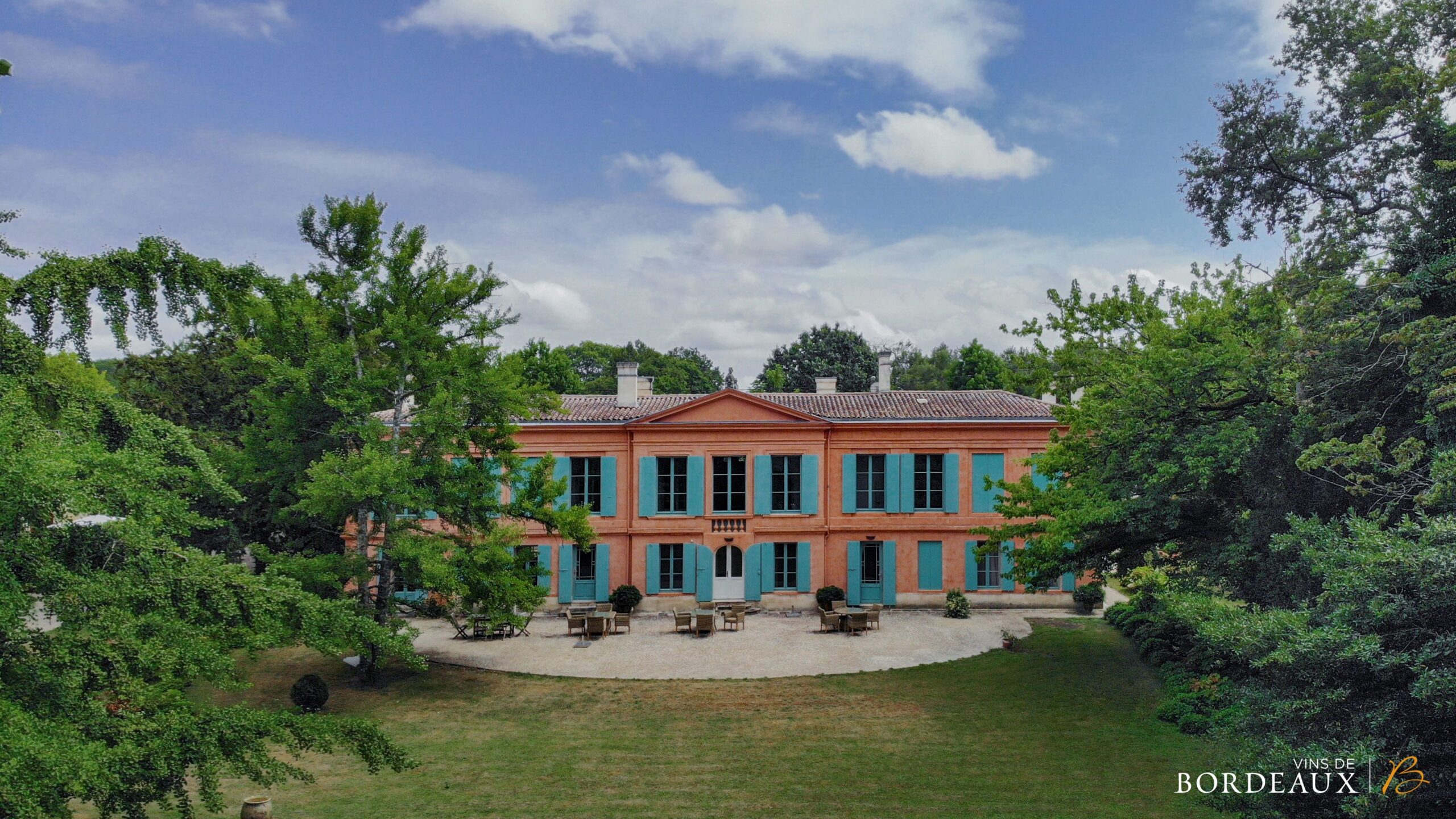
At the end of the 13th century, Bertrand de Goth, younger son of a noble family whose lands extended over the Bordelais and the Bazadais, was appointed Archbishop of Bordeaux by Pope Boniface VIII. His brother, Bréaud de Goth, gave him his property in Pessac, which consisted of woods, meadows and above all vines. On 20 June 1305, Bertrand de Goth was chosen as pope under pressure from Philip the Fair; he took the name Clement V and thus called his estate “Pape Clément”. In 1309, he donated his vineyard to the Archbishop of Bordeaux, who passed it on to his successors until the French Revolution. This estate is thus one of the oldest Grands Crus of Bordeaux. It can pride itself on having produced wine on the same land for 7 centuries.
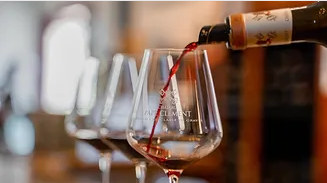
Once the harvest by hand and the destemming are complete, the grape juice ferments in small wooden vats whose temperatures are constantly controlled. The oenologist Michel Rolland supervises this important period of vinification. The wine is then “lowered” by gravity (without hose or pump) into barrels whose oak comes from forests in central France. It stays there for around 18 months, after which the entire harvest is bottled at the château. Since 1959, Pape Clément has belonged to the restricted but official circle of the Grands Crus Classés de Graves.
Le Clémentin du Pape Clément, the second wine of the property, represents, depending on the vintage, a third of the total harvest.
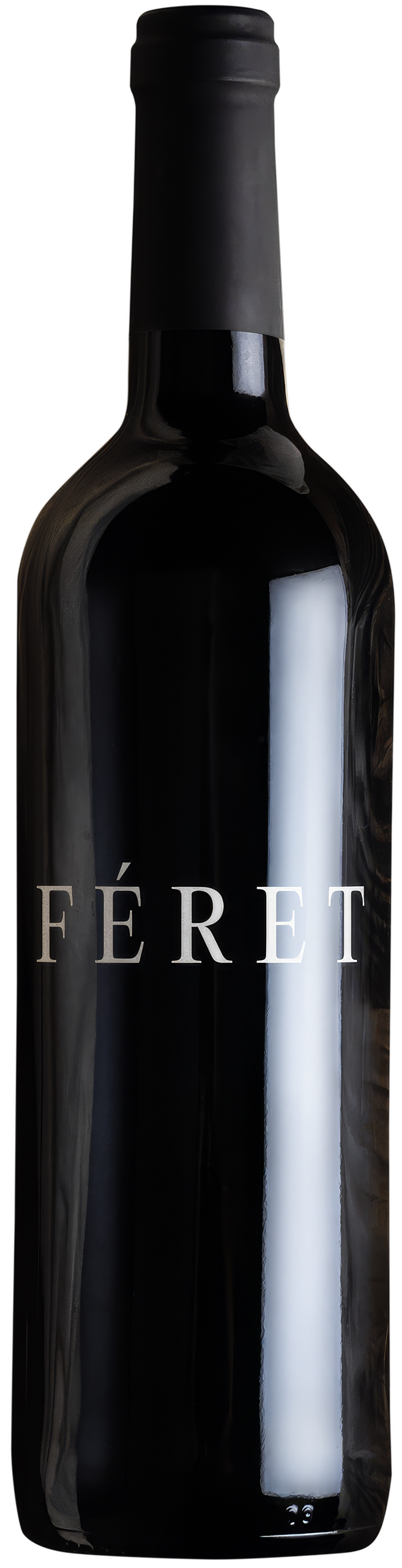
Château Pape Clément
Cru Classé des Graves en rouge
Pessac-Léognan • 61 HA