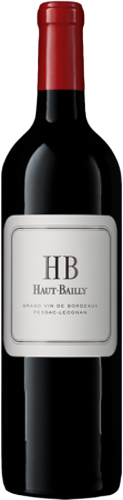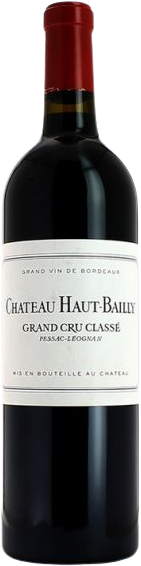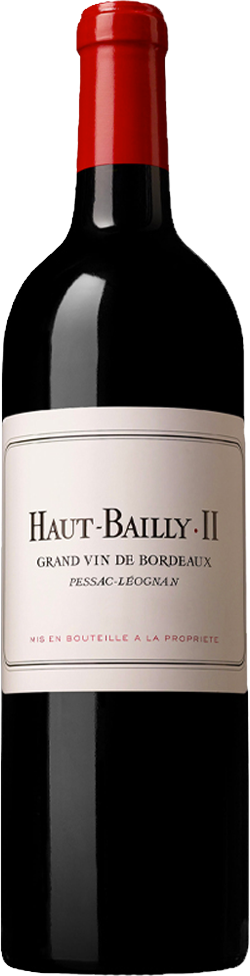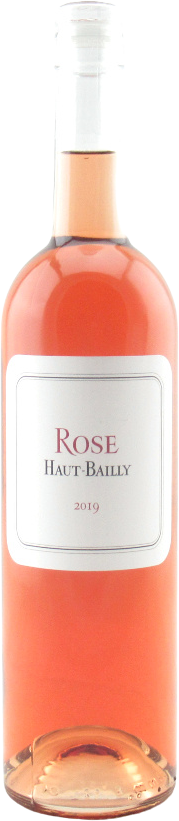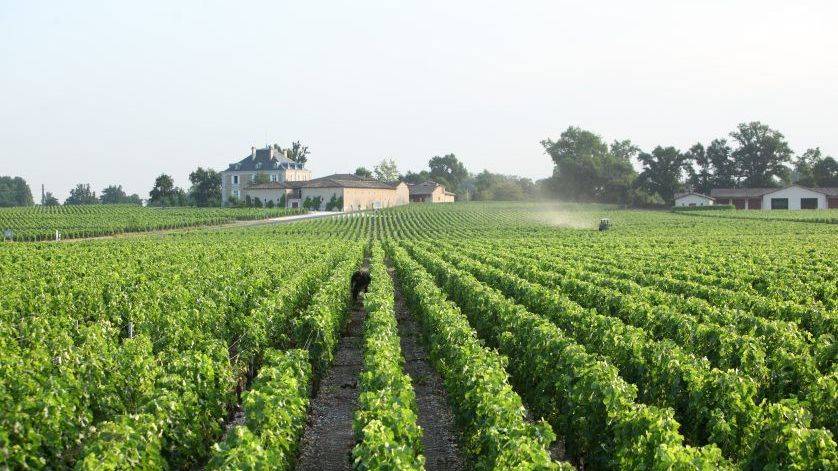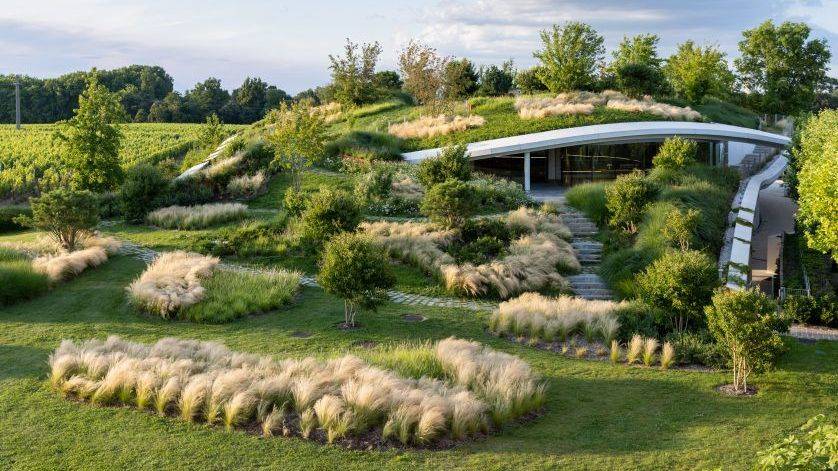
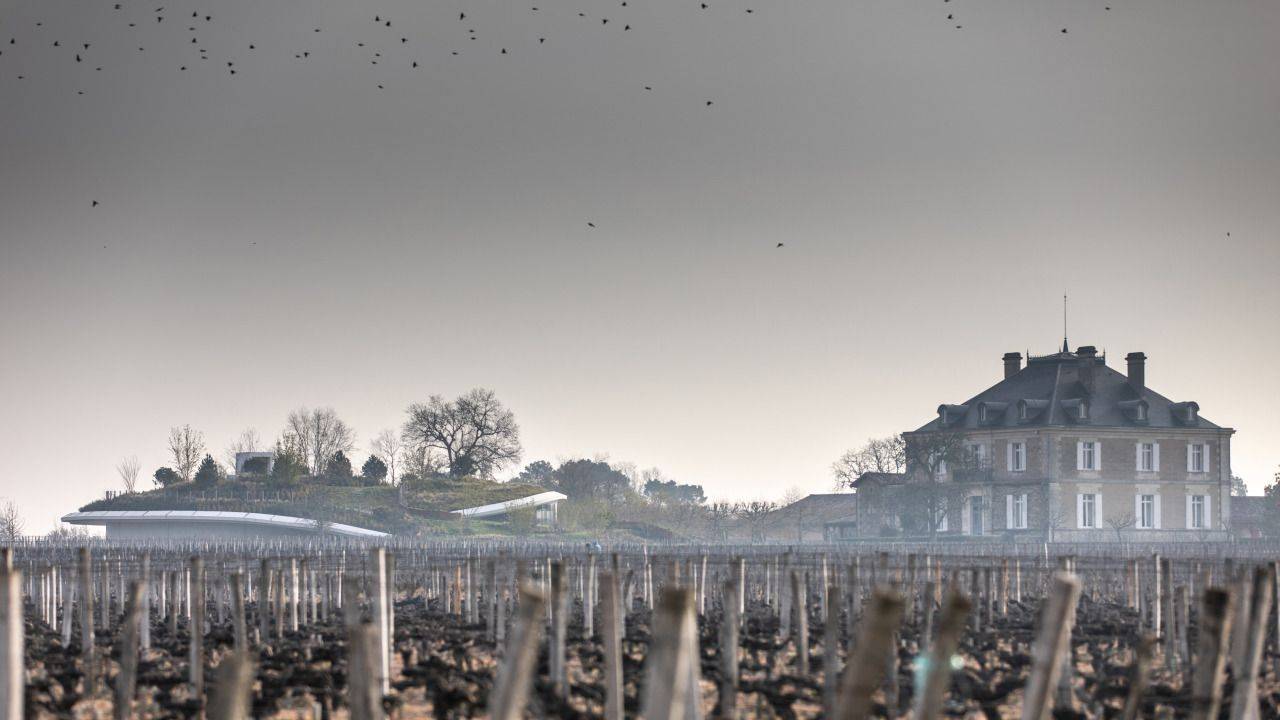
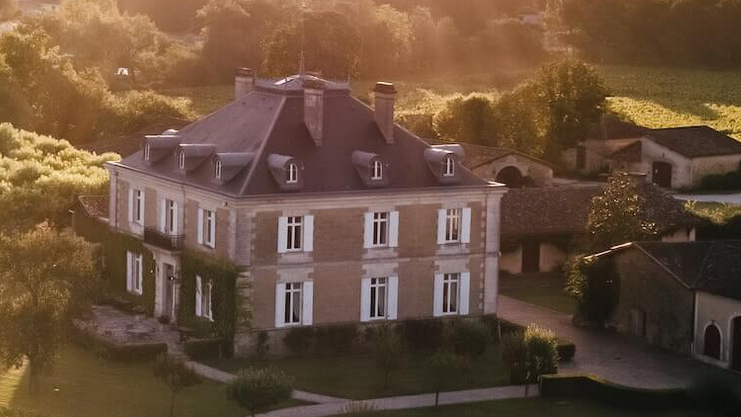
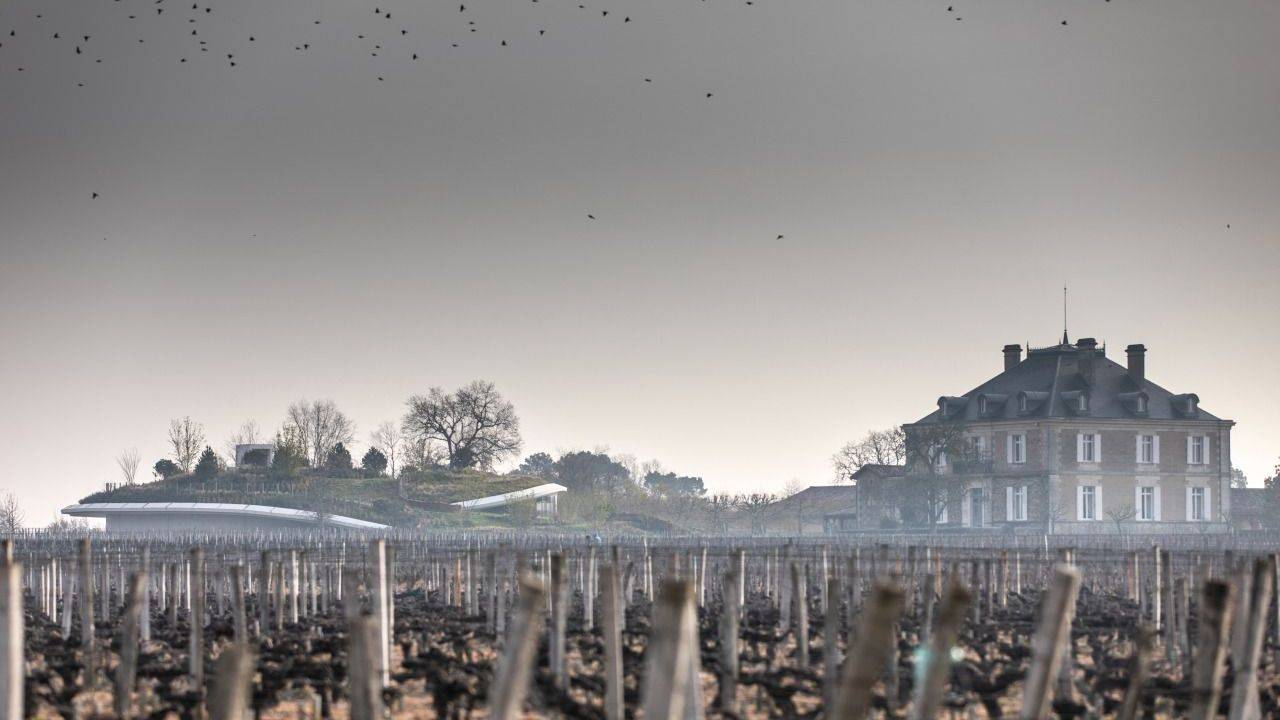
Château Haut-Bailly is situated on a hill in the historic Graves region, on the left bank of the Garonne. Local records dating back to 1461 already testify to the exceptional quality of this land for viticulture. The Haut-Bailly vineyard, as we know it today, began to take shape when the Goyanèche and then Daitze families acquired and brought together excellent plots of vines in the 1530s. The Daitze family managed the estate until 1630, when it was bought by Firmin Le Bailly and Nicolas de Leuvarde, Parisian bankers and Graves wine enthusiasts. After significant investment, the estate remained in the hands of the Bailly family until 1736, when Irishman Thomas Barton took over the reins. Thanks to his solid business network, he succeeded in making Château Haut-Bailly known for its quality, at a time when the passion for ‘French claret’ was gaining notoriety in England and Ireland. In the 18th century, Haut-Bailly’s reputation grew thanks to influential owners such as Christophe Lafaurie de Monbadon. However, its heyday came in 1872 when Alcide Bellot des Minières acquired the property and had the château built in stone, marking the beginning of a legendary period for the estate. Bellot des Minières was hailed as the ‘King of Winemakers’ thanks to his scientific approach and passion for excellence. After his death, Haut-Bailly went through a period of uncertainty with various changes of ownership, but the reputation of its wines remained intact. In 1955, Daniel Sanders, a Belgian wine merchant, took over the reins of the estate. With the help of his son Jean, they revolutionised viticulture at Haut-Bailly, modernising the winemaking facilities and focusing on the quality of the grapes. Their commitment brought Haut-Bailly back among the world’s great wines, consolidating its place on the international stage. A second wine was created in 1967: La Parde de Haut-Bailly, which became Haut-Bailly in 2018.II. In 1998, Robert G. Wilmers, a Francophile American and head of the M&T Bank in New York State, became the owner of the château. He was personally involved in all strategic decisions to ensure Haut-Bailly’s constant progress, while preserving its history and heritage. For Bob and his wife Elisabeth, Haut-Bailly was much more than a financial investment, it was a shared passion. Following Bob’s death in December 2017, his family committed to continuing his legacy. Alongside the team, they will continue to drive forward future projects in the same spirit and with the same energy as over the last twenty years.
Château Haut-Bailly
Cru Classé des Graves
Pessac-Léognan • 33 HA