


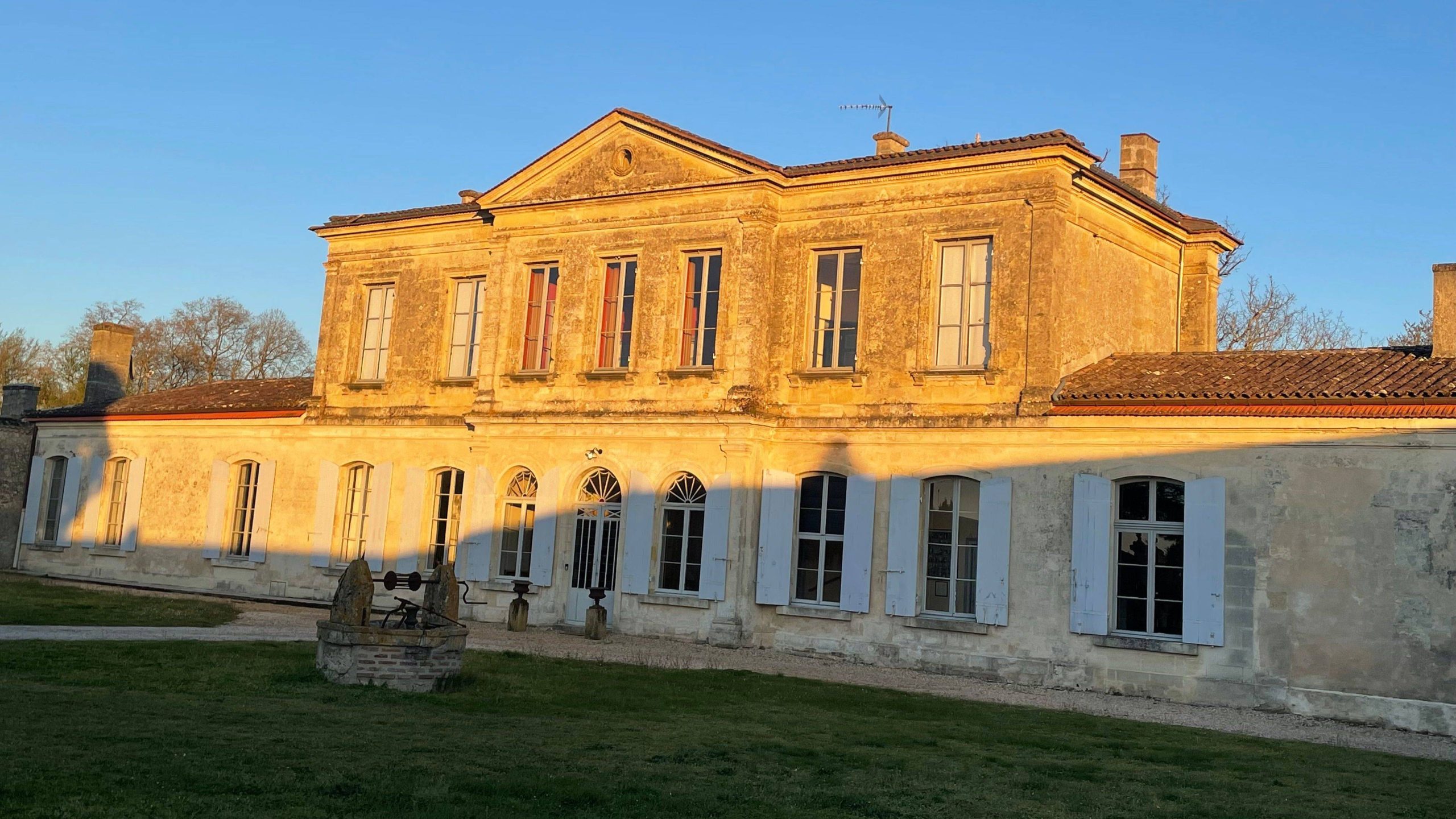
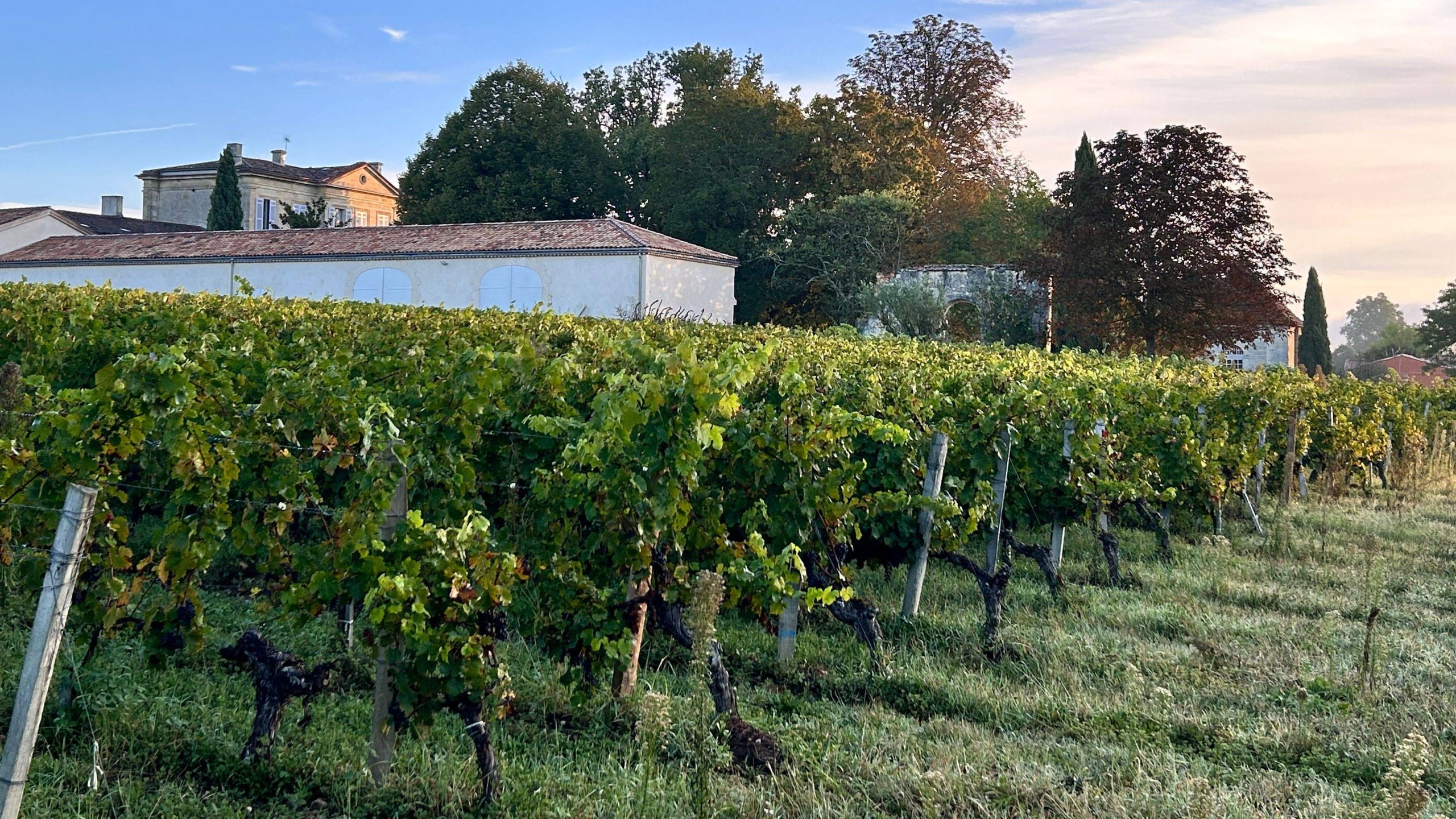
CHÂTEAU COULOUMEY is a beautiful eighteenth-century residence, framed by two perfect courtyards: the main courtyard with its sixteenth-century octagonal dovecote, listed as one of the “Pigeonniers de France”, and the topiary garden on the terrace side. It is a pure example of one of Bordeaux’s chartreuses, most of which have remained intact, elegant, simple and family-run. It is a fine example of an 18th-century winegrowing estate, which is why the entire property has been listed on the Inventaire Supplémentaire des Monuments Historiques (Supplementary Inventory of Historic Monuments) since 2002. All the rooms and lounges on the ground floor of Le Couloumey have a double aspect, with the sun shining through from east to west. At the back of the house, there is a gentle general view, watching time go by, away from the Route Nationale 113, in another world of calm, greenery and vines. So close to BORDEAUX, where a few roe deer can cross the park, where regular inhabitants such as a pair of herons prefer its pond to the banks of the Garonne, just a few hundred metres away, or to pick porcini mushrooms along the two bridle paths bordering the park.
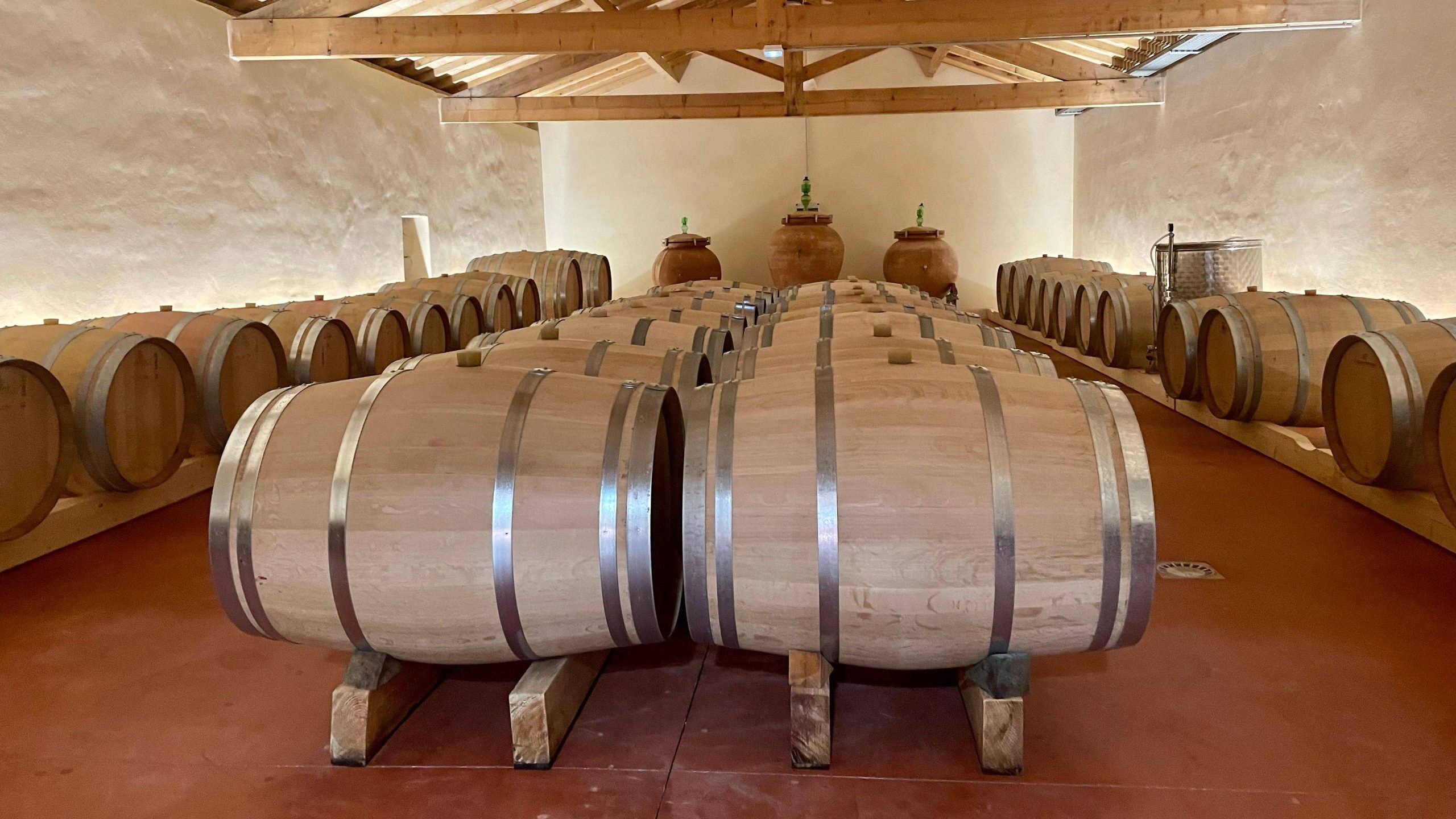
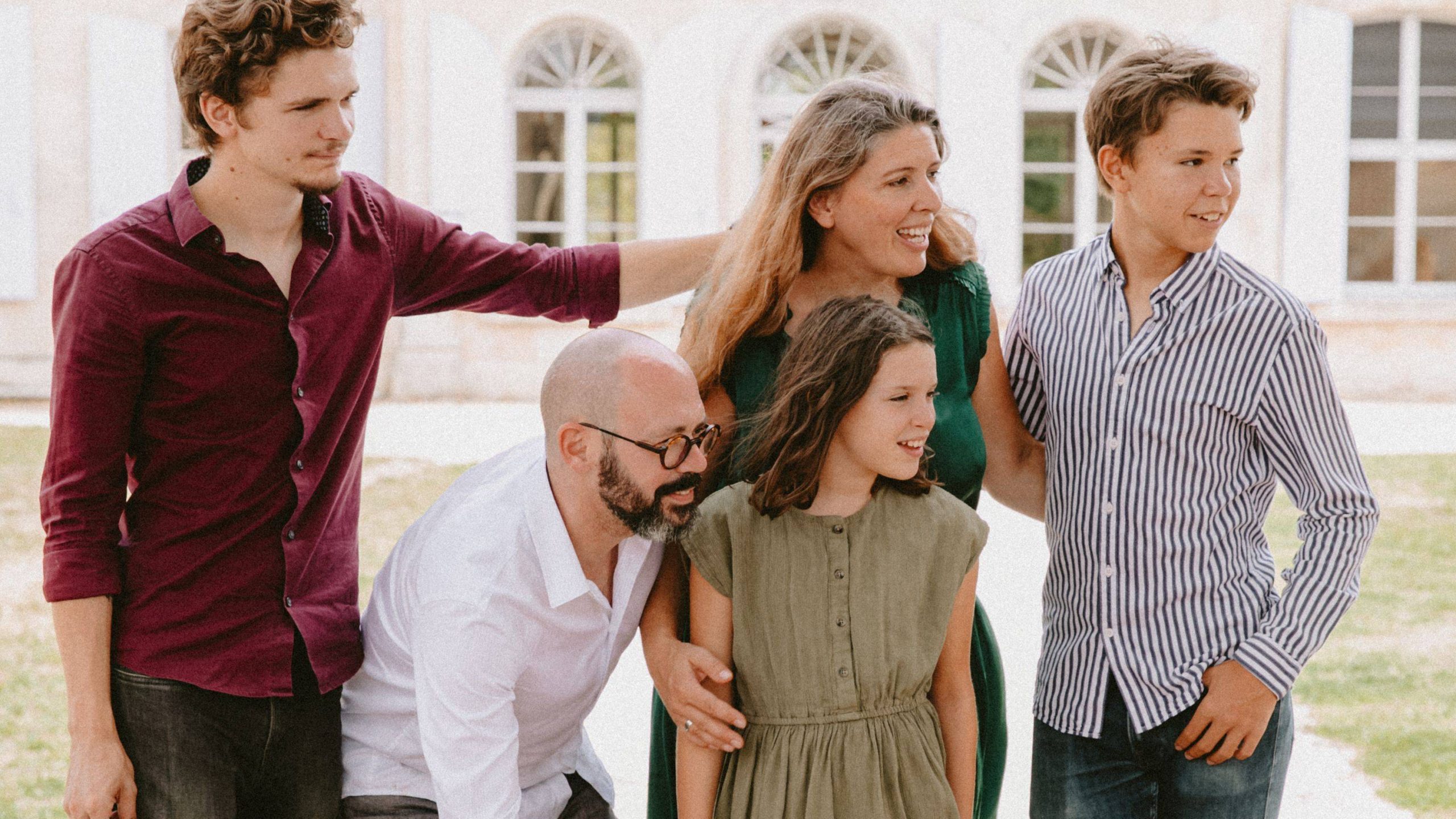
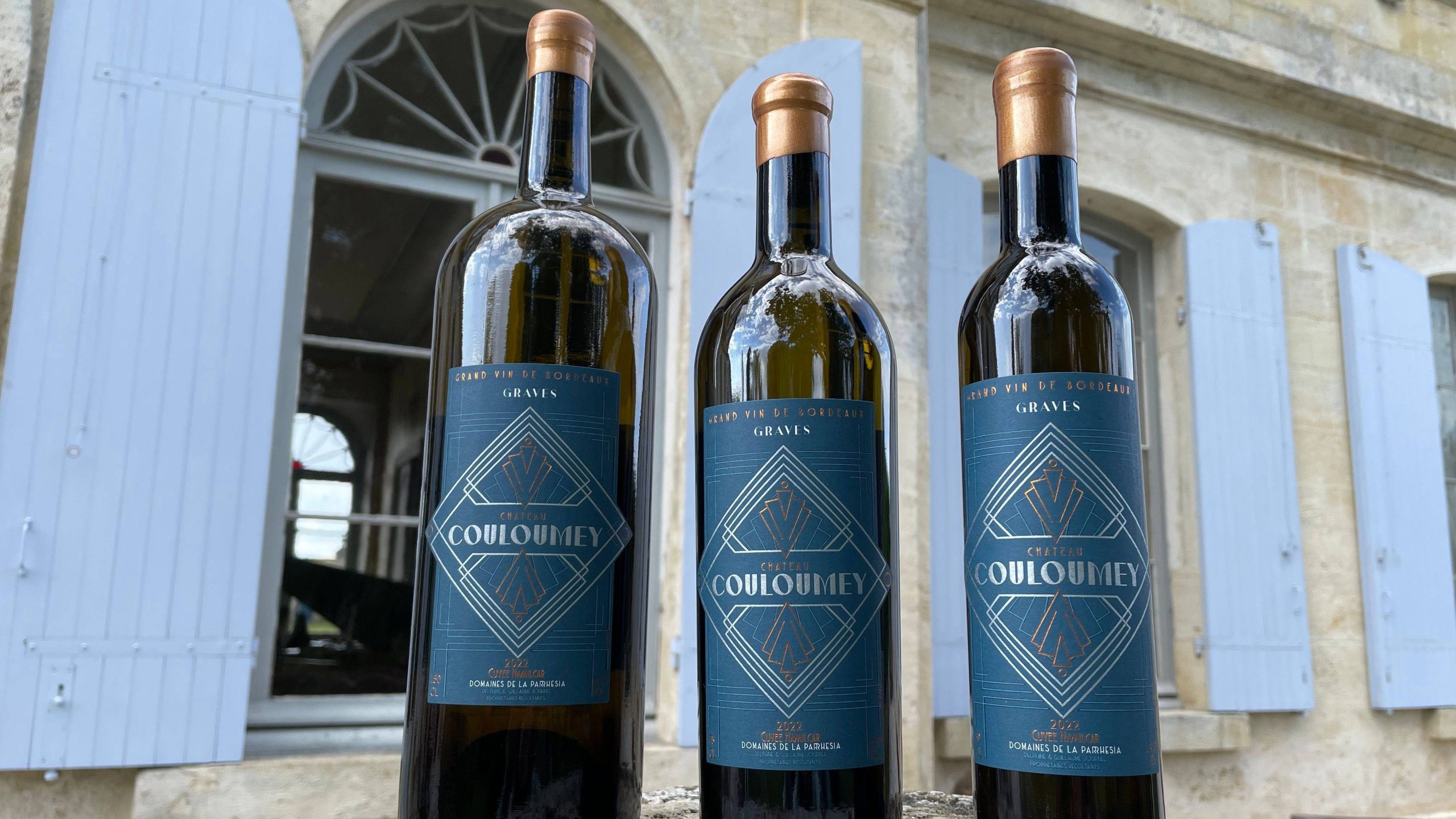
Lastly, the artificial ponds adjoining the pond, fed by the Rouille de Civrac river and the Gat Mort, a tributary of the Garonne, have a highly structured architectural layout, obviously dating from the 18th century, which still remains a mystery to everyone, and the vines in the enclosed grounds give it a bucolic, timeless atmosphere. After 11 years in Canada, the Journel family wanted to return to France to change their lives and fulfil an old dream: to make wine and share it. The Journels, who are both passionate about wine, saw in Château Couloumey and its neighbour Le Tuquet the realisation of all that was possible, so they brought these two neighbouring properties together to form a single wine-growing entity. Château Couloumey has thus become the flagship château of Domaines de la Parrhèsia, thanks to its perfectly proportioned cellar where they can work on the parcels and experiment with creating elegant, gastronomic modern wines.


