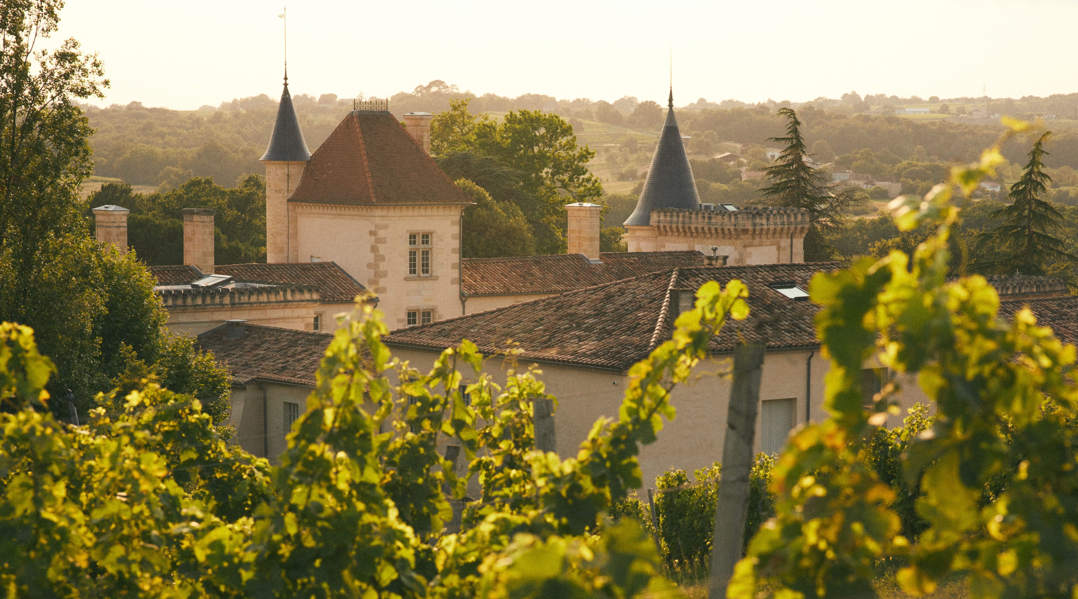
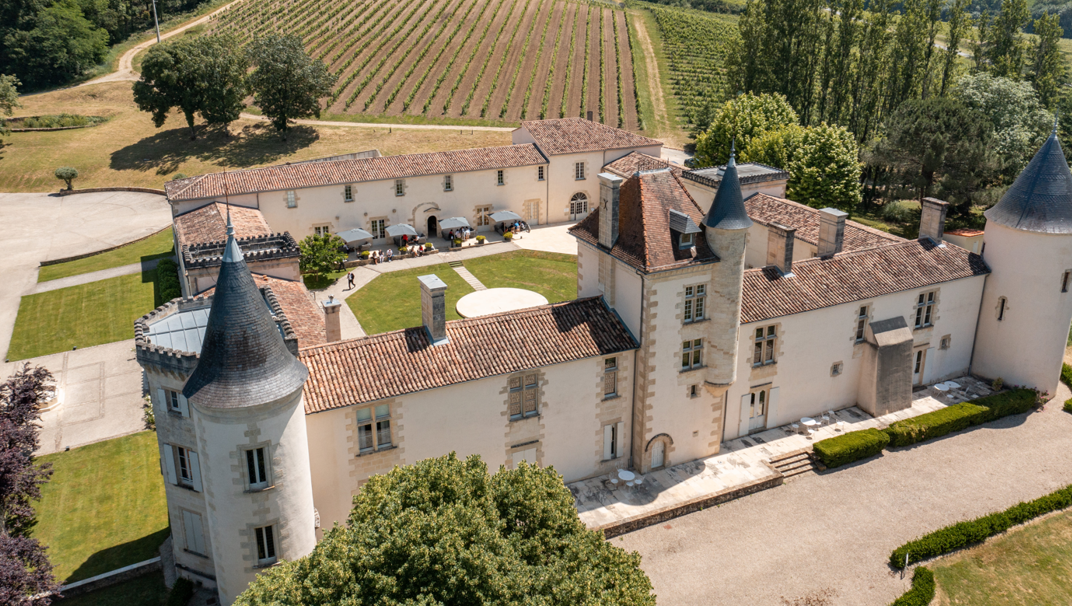
Château Toulouse-Lautrec, formerly Château Malromé, stands in Saint-André-du-Bois, in the heart of the Entre-deux-Mers. The first traces of the estate date back to the 16th century, when Étienne de Rostéguy de Lancre, a merchant from Saint-Macaire, councillor at the Parlement de Bordeaux and lord of Tastes and Saint-André-du-Bois, had the “Maison noble de Taste” built. The de Lancre family kept the property for two centuries.
In 1780, Catherine de Forcade, widow of the Baron de Malromé, acquired the estate and gave it the name that would mark it lastingly. In 1847, it passed to Jean Adolphe de Forcade, President of the Conseil d’État, and to his half-brother, Marshal Armand Jacques de Saint-Arnaud, Minister of War under Napoleon III. Both undertook major restorations in the spirit of Viollet-le-Duc, giving the residence its harmonious, romantic appearance.
In 1883, Countess Adèle de Toulouse-Lautrec bought the château and its 34 hectares of vines with the dowry she received on her marriage to Count Alphonse de Toulouse-Lautrec. An independent and determined businesswoman, she made Malromé a place of stability and serenity, far from the eccentricities of her husband, who was passionate about hunting and horses. It was here that their son, the painter Henri de Toulouse-Lautrec, would regularly come to find refuge and inspiration.
After Adèle’s death, the estate passed through the hands of several figures, among them Dr Gabriel Seynat, deputy to the mayor Jacques Chaban-Delmas. In 1984, the industrialist André Sagne brought the château back to life, restoring and refurnishing it entirely before opening it to the public.
A new chapter began in 2013 with the arrival of the Huynh family, who set about preserving the heritage while breathing into it an elegant modernity. Mélanie Huynh conceives Malromé as a place to live, open to the public but also conducive to family moments. The 43-hectare vineyard, rooted in an ancient terroir, accompanies this renaissance.
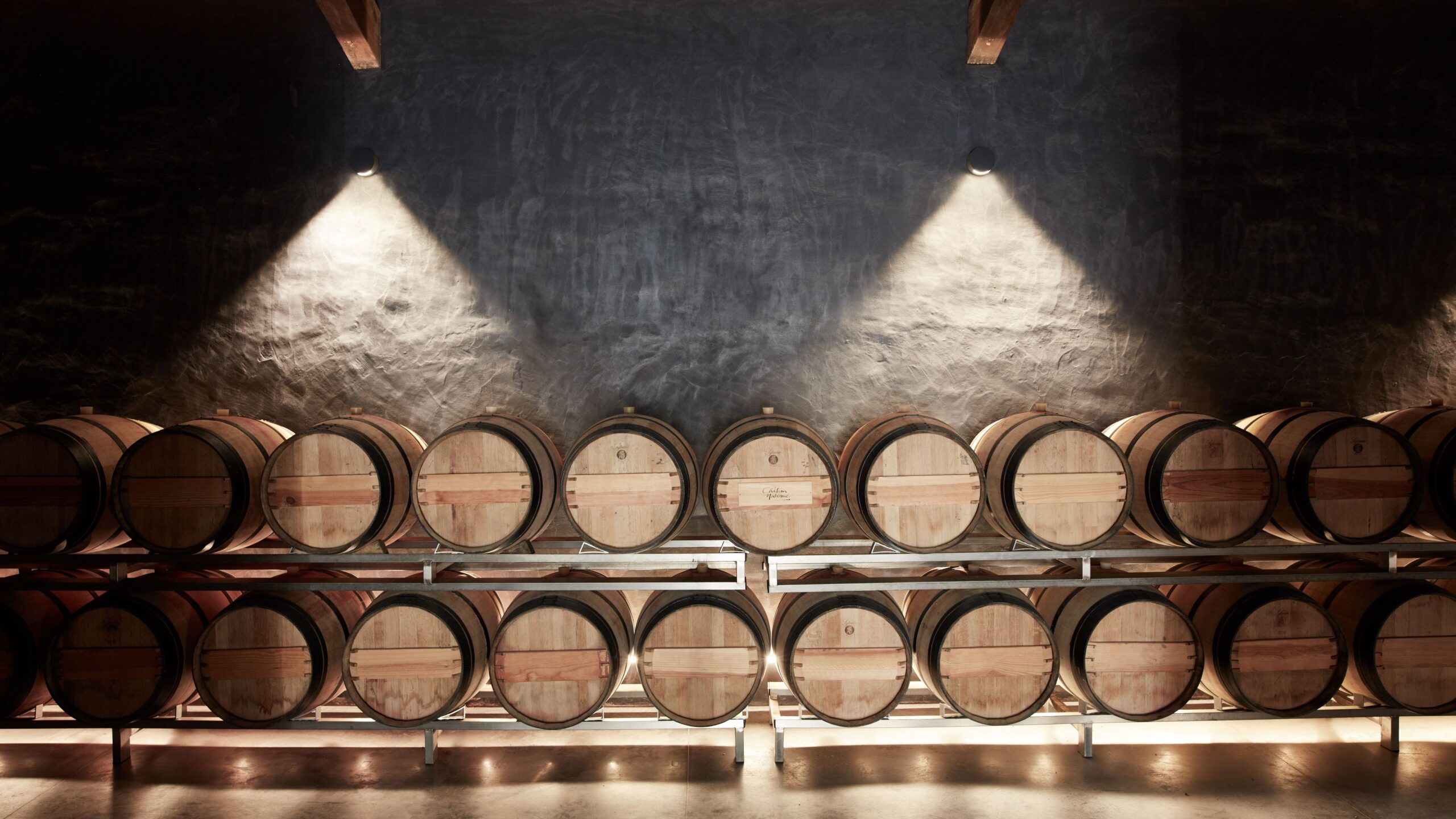
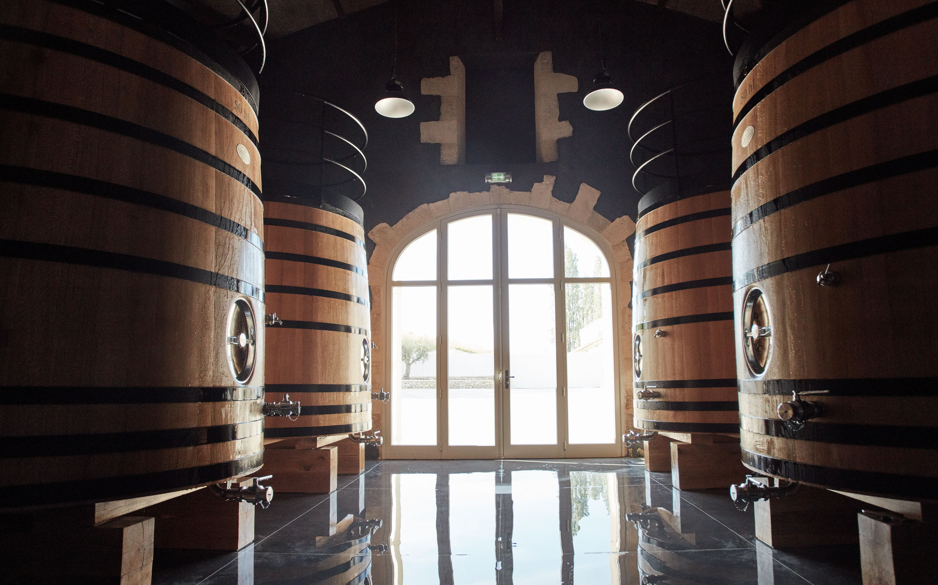
Extensive works were undertaken: modernisation of the vat room from 2013 to receive the 2014 harvest, and refitting of the cellar in 2016 with the installation of oak foudres, new barrels and a temperature control system. At the same time, the east, north and south wings of the château were renovated in a contemporary, pared-back style, under the direction of the architect Laurent Negretti and the decorator Isabelle Stanislas.
The octagonal courtyard, now emblematic of the place, opens onto a raised terrace and hosts concerts and contemporary art exhibitions, such as Daughters by Prune Nourry. This dialogue between heritage and creation gives the château a new lease of life.
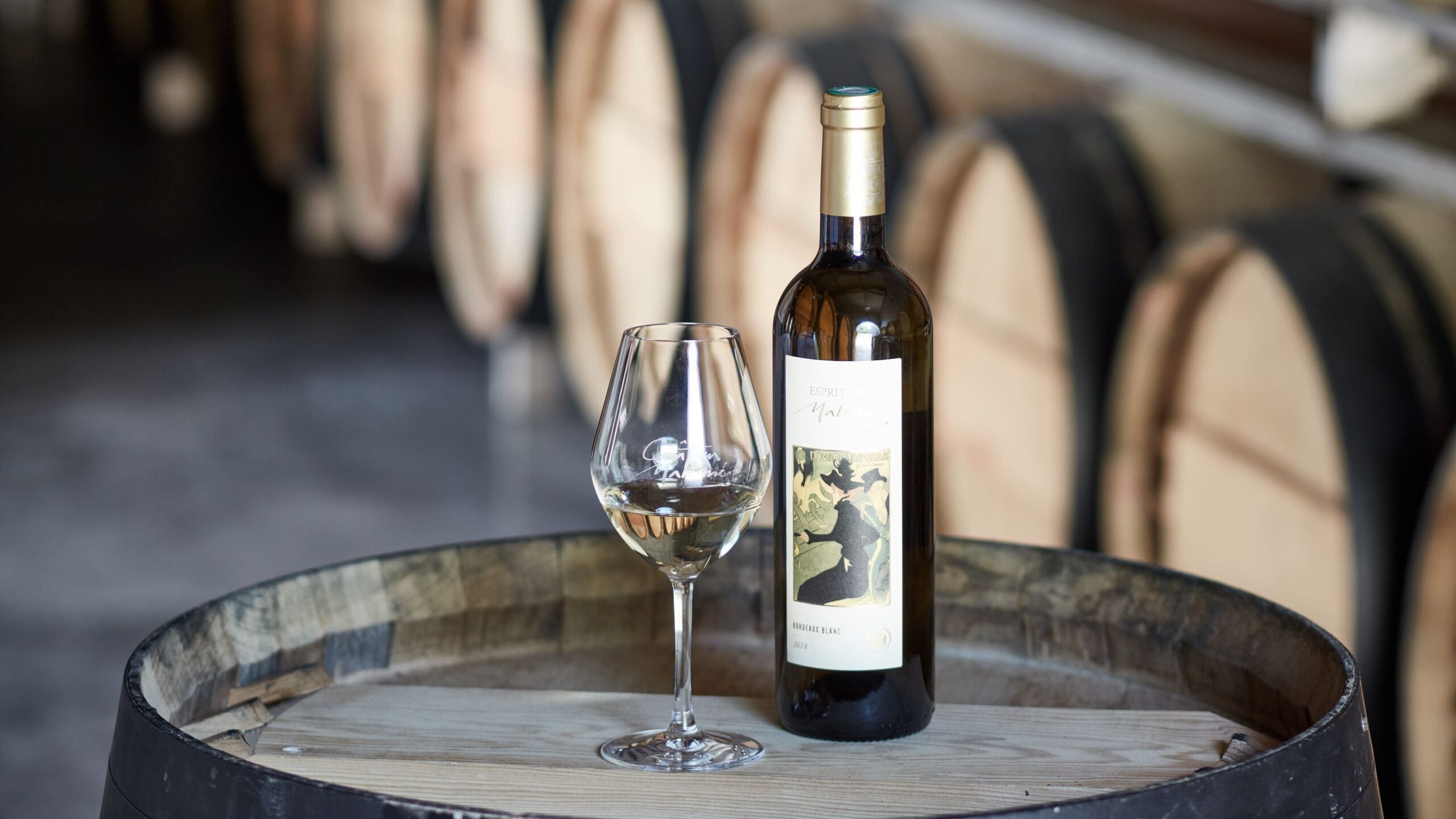
In 2023, the estate regained the name Château Toulouse-Lautrec, a tribute to the artist who drew peace and inspiration from it. Faithful to this heritage, the château now stands as a refuge steeped in history, culture and nature, where elegance, transmission and modernity come together.