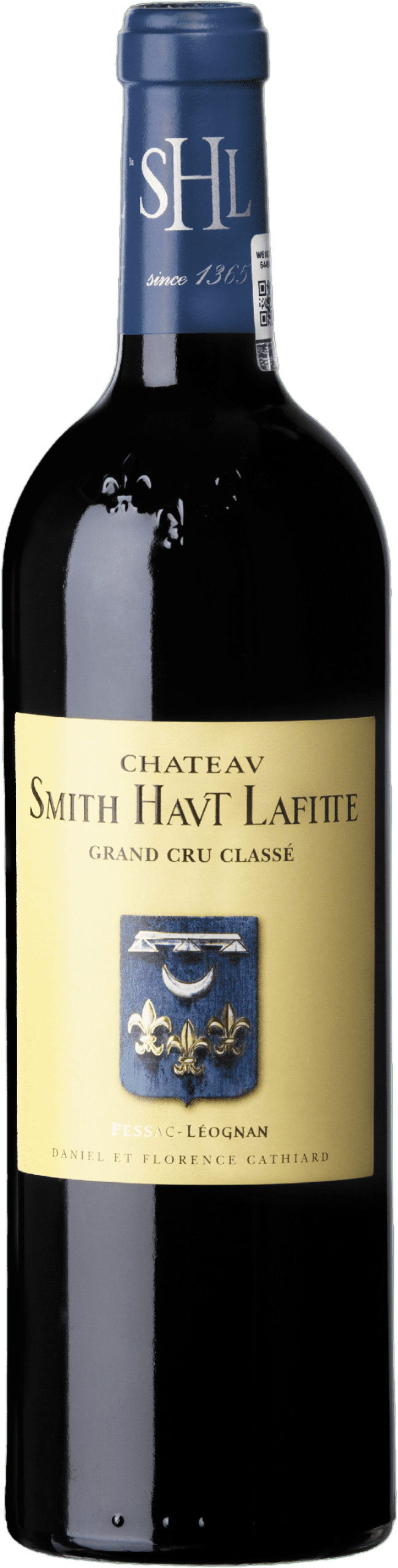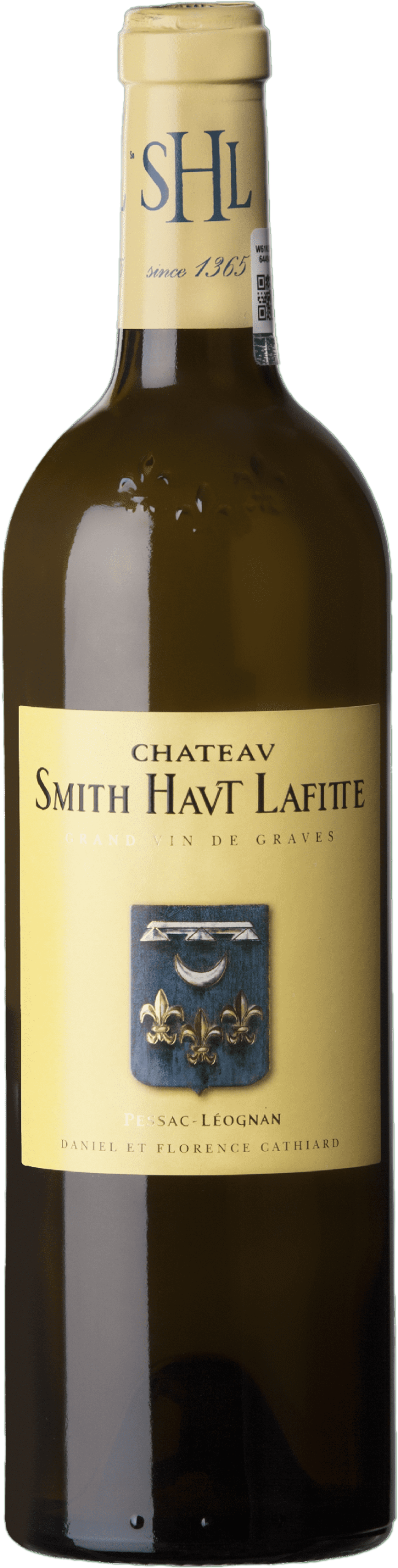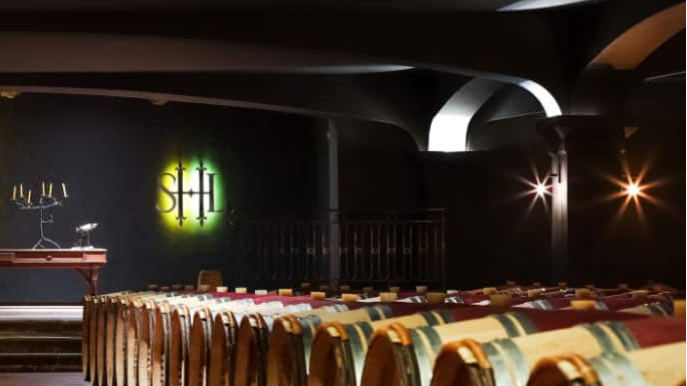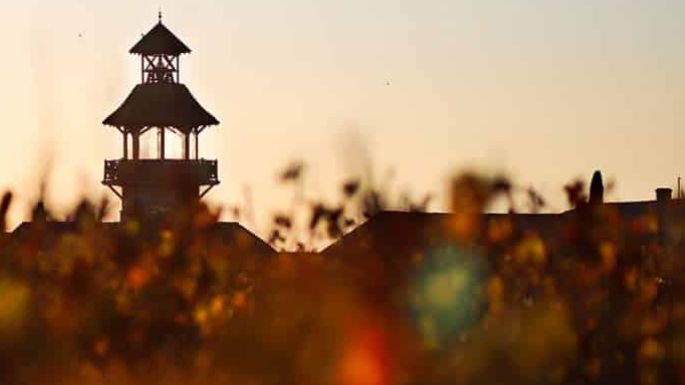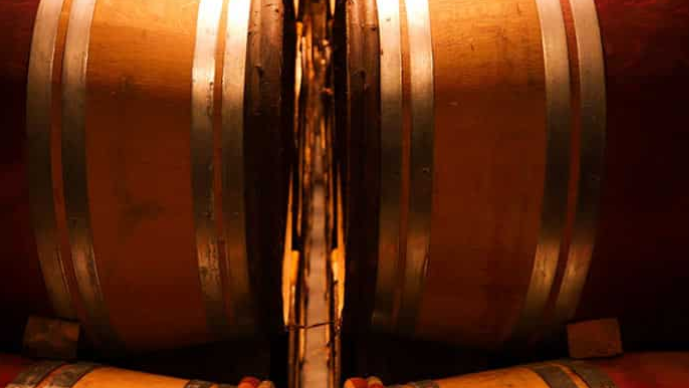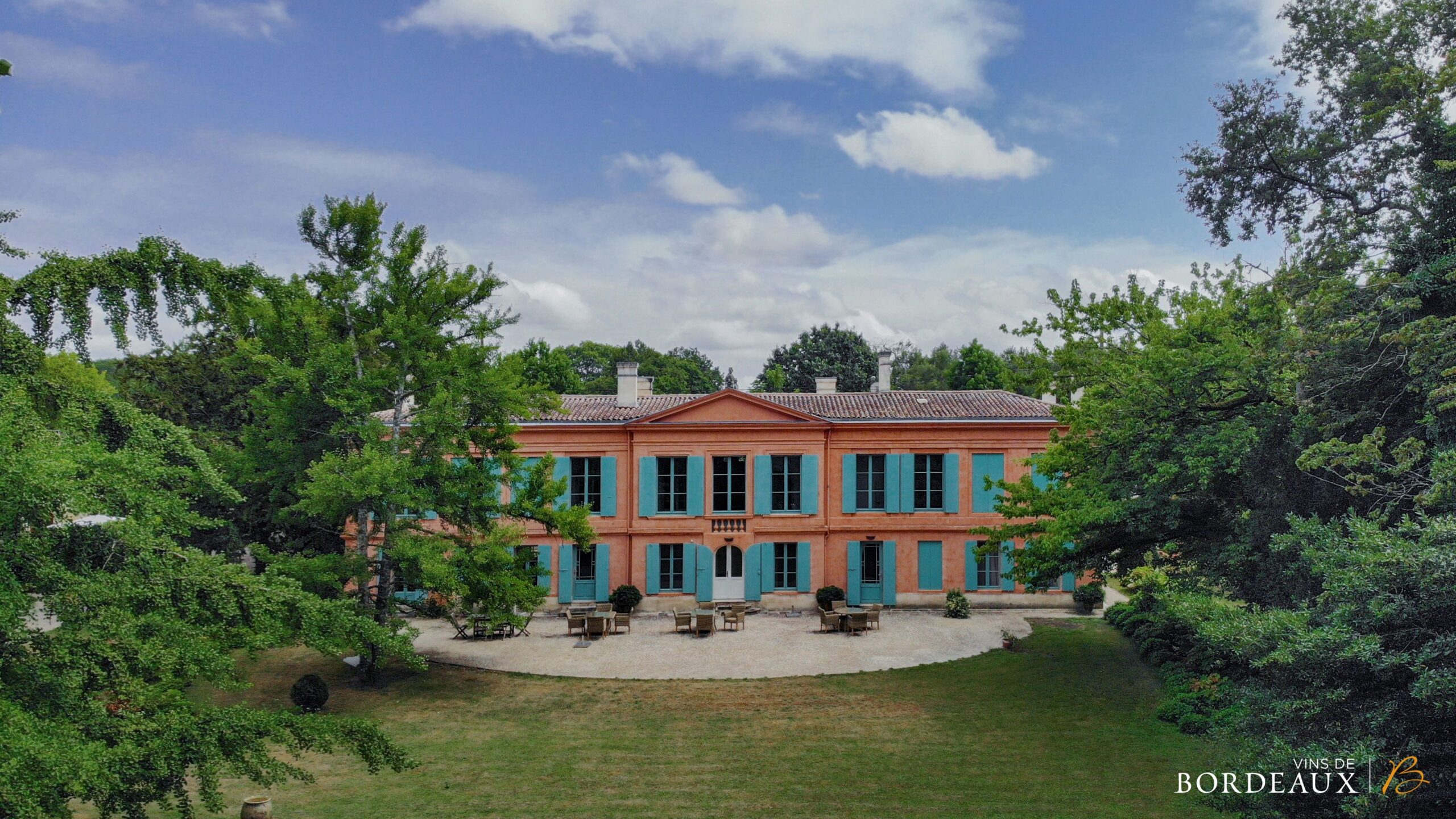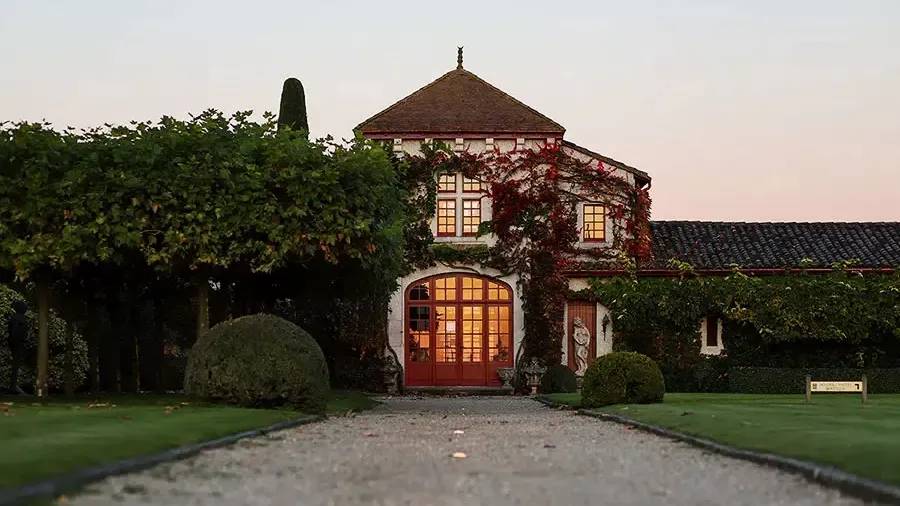
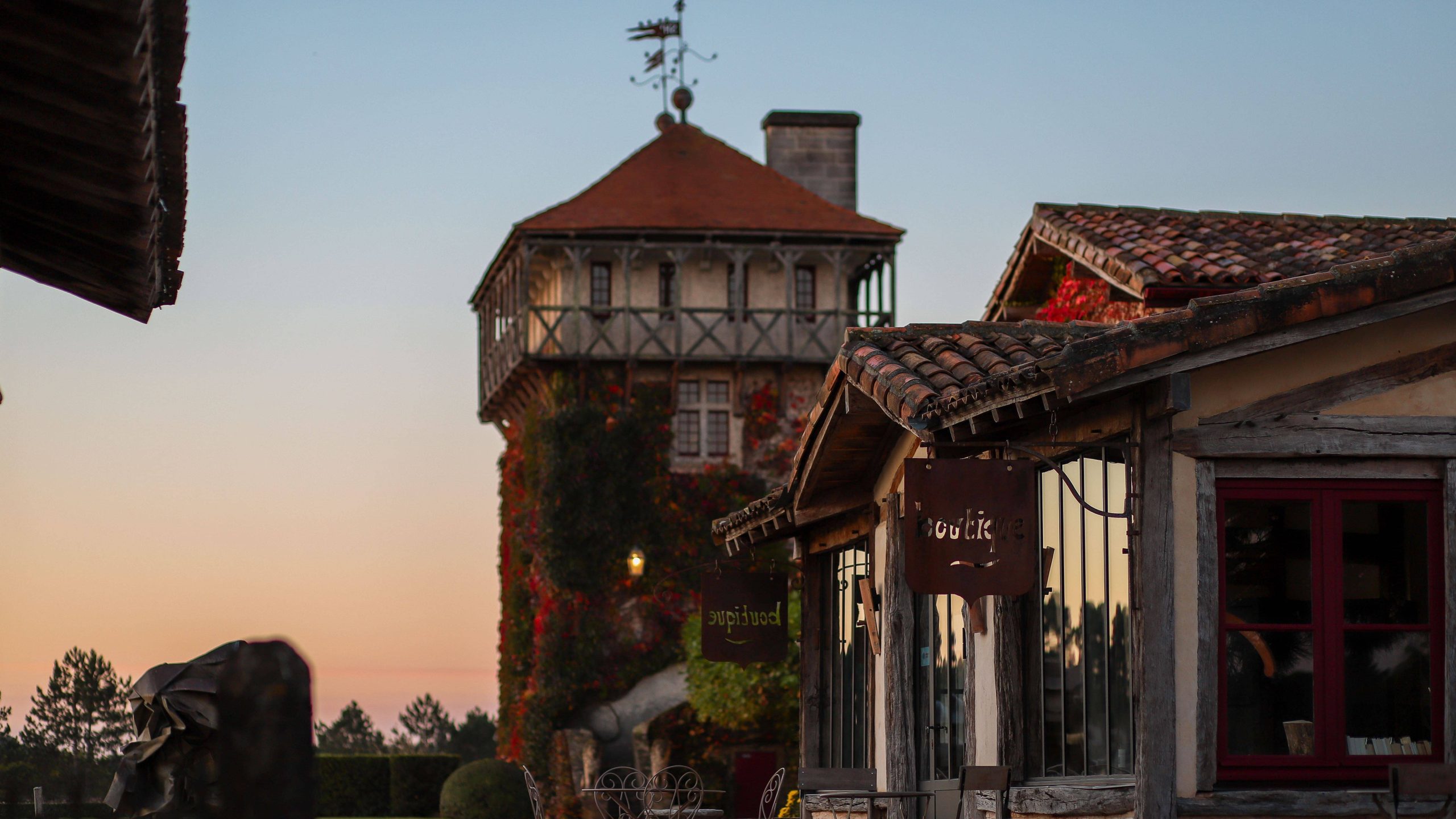
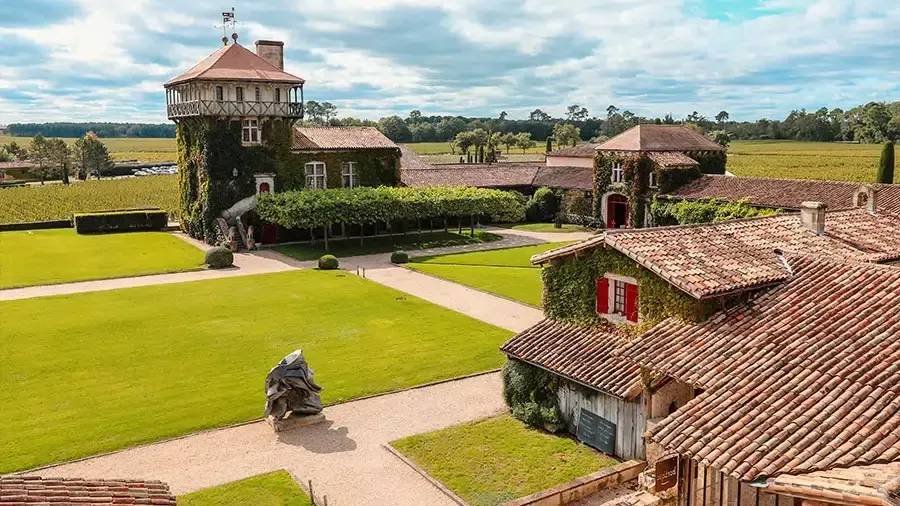
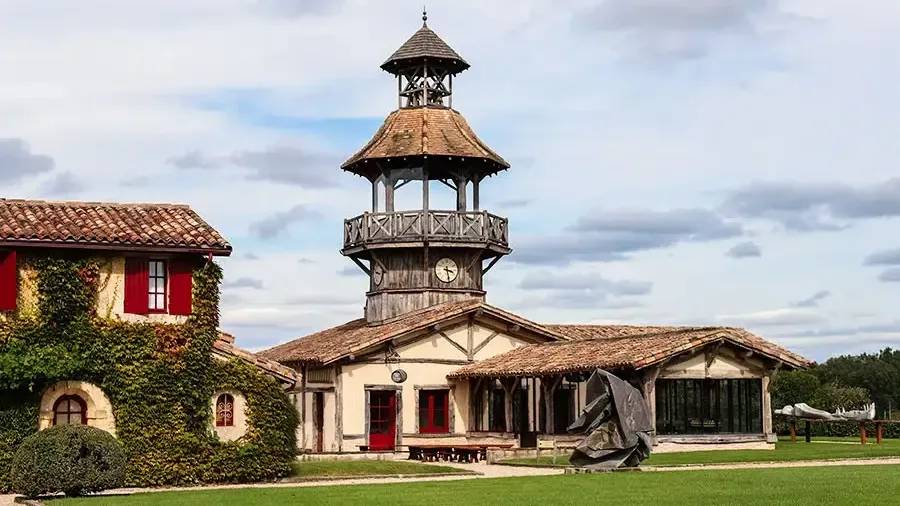
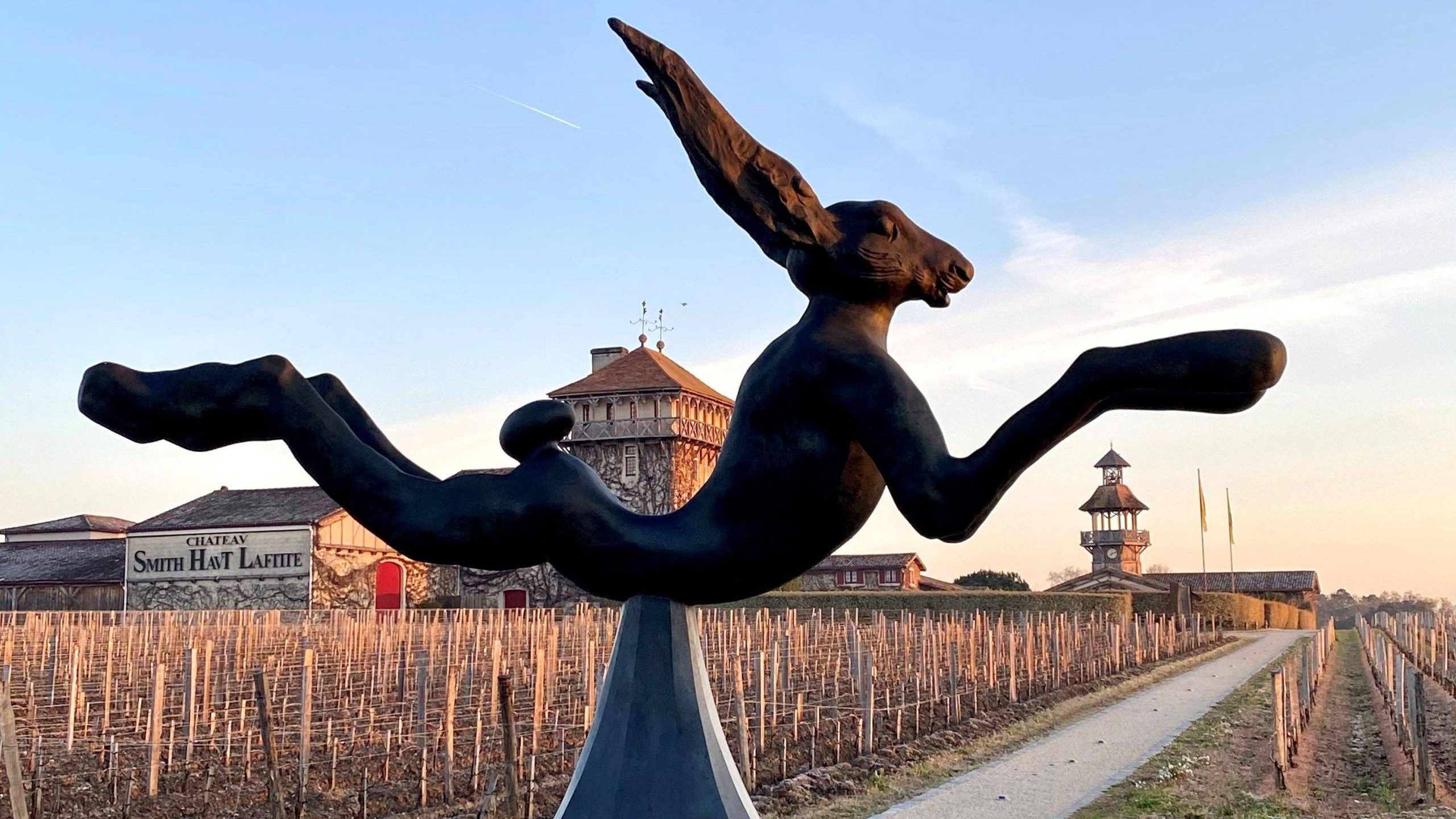
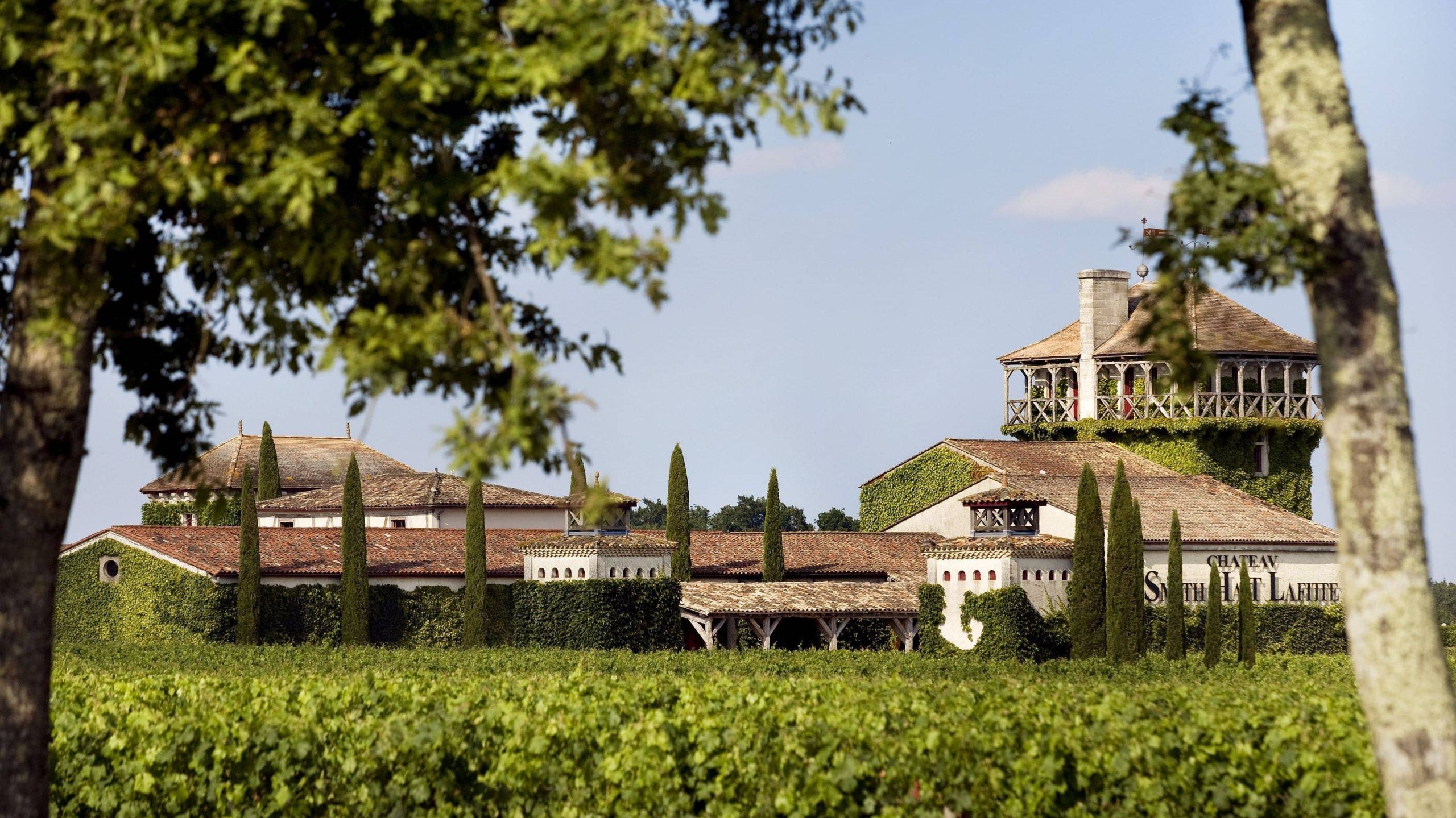
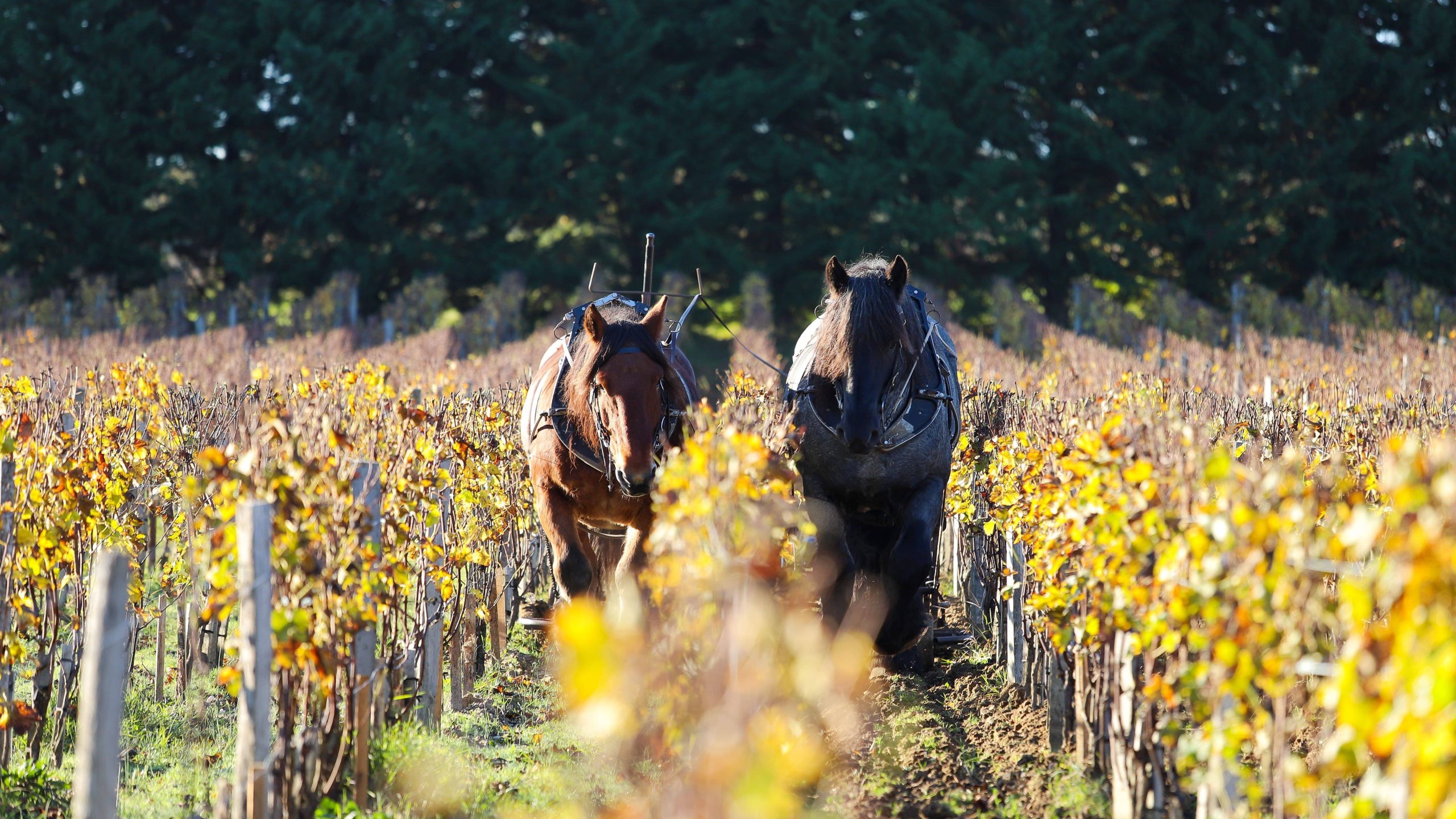
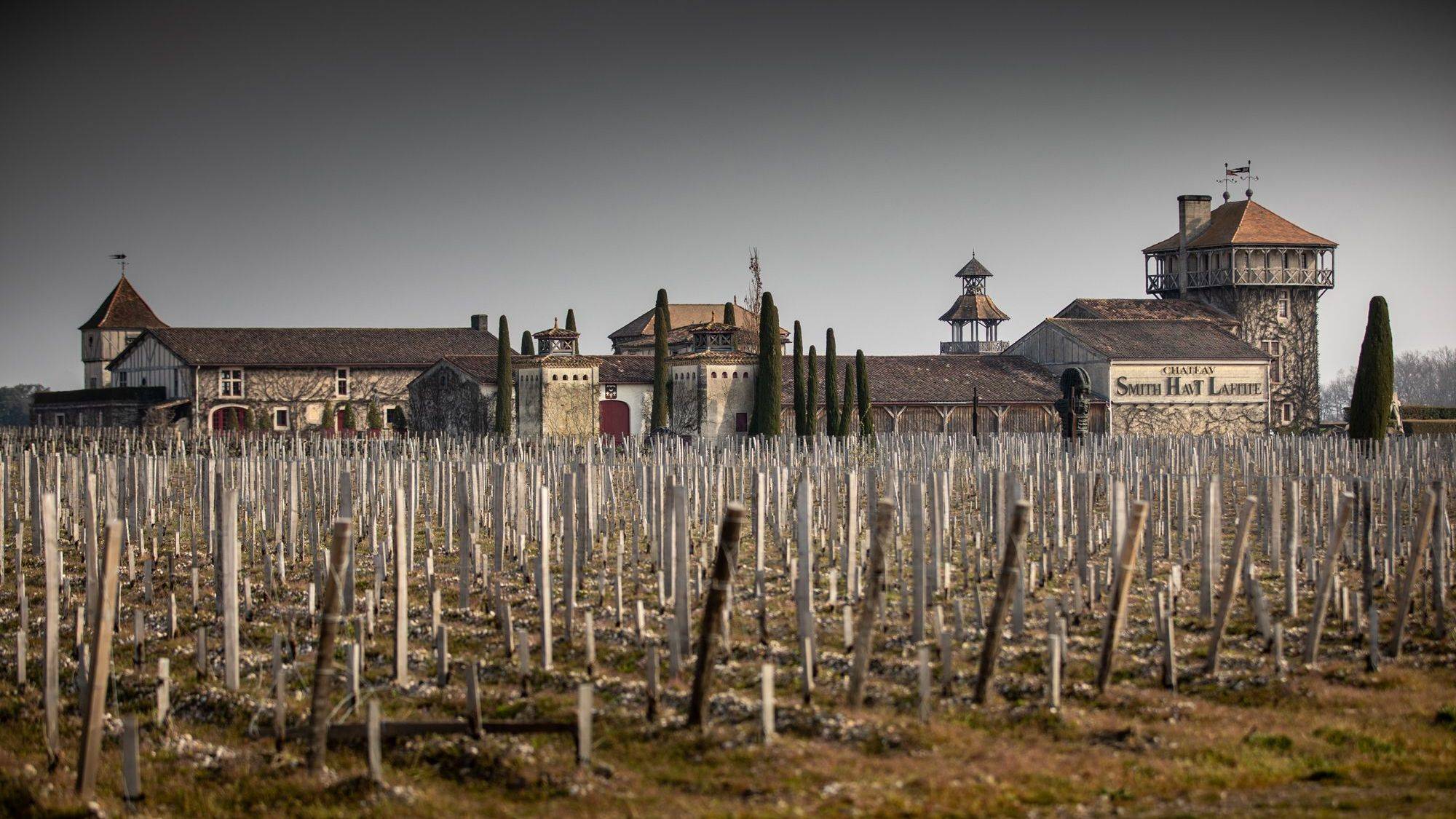
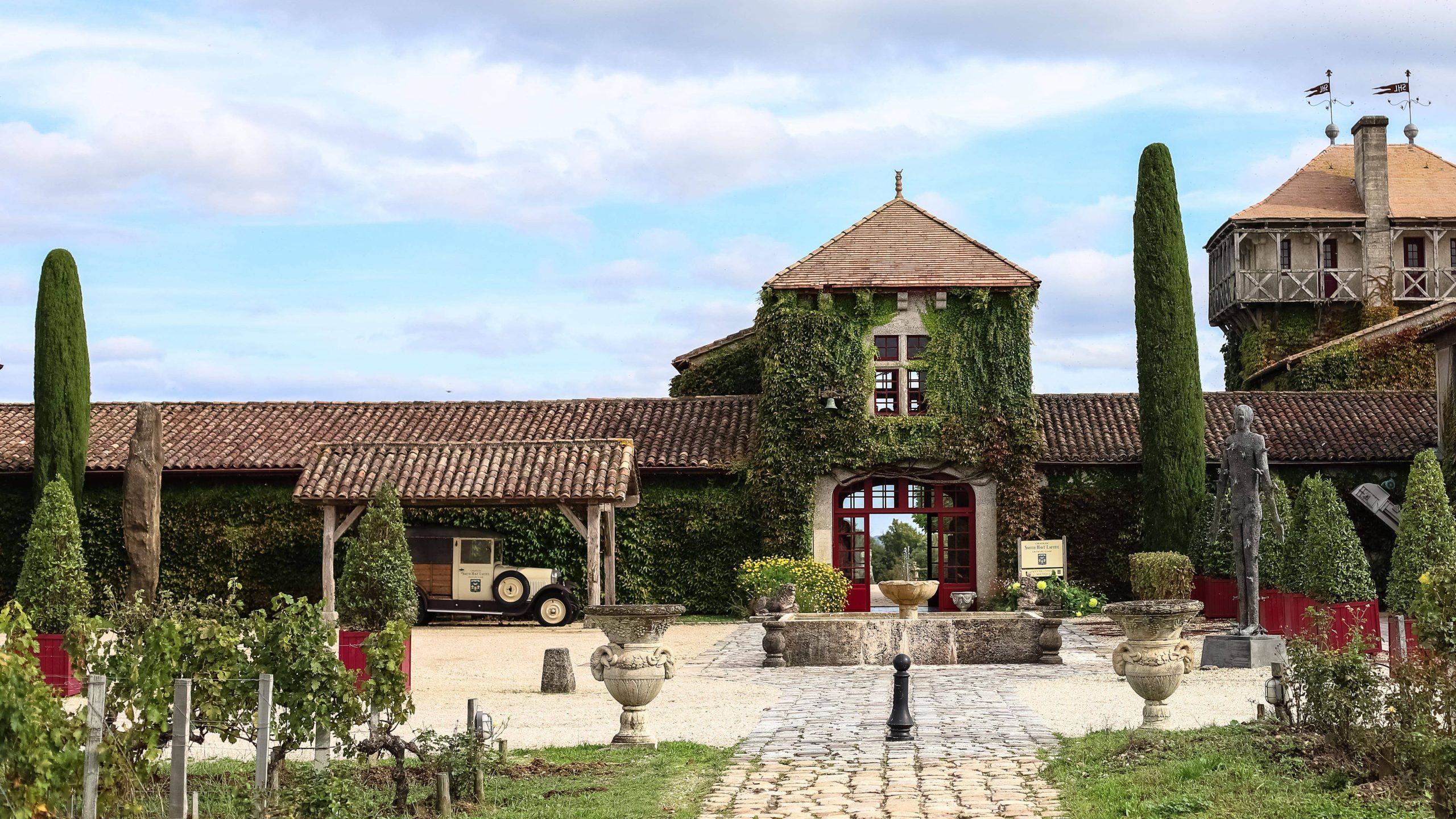
A few acres of vines on this site date back to the 14th century. It was its 18th-century owner, George Smith, a Scottish merchant, who gave it its name. By 1842, the château was in the hands of Mr Duffour-Dubergier, Mayor of Bordeaux and President of the Chamber of Commerce in 1855. Florence and Daniel Cathiard, former members of the French ski team, fell in love with the vineyard and its unique terroir and bought the château in 1990. Since then, they have never ceased to be inspired to position the estate at the forefront of sustainable vine-growing methods, while welcoming the wine-loving public all year round. In the vineyards, they abandoned the use of pesticides and herbicides from their very first vintages. Keen to provide their precious Günzian gravel terroir with the best vine plants, they set up a nursery of mother vines in a totally unspoilt, enclosed environment overlooking the Garonne: the Île de Lalande. In 1994, Florence and Daniel Cathiard integrated a cooperage into the estate, selecting the oak trees themselves from the most prestigious forests in France, and the master cooper made the barrels to measure for the château’s wines. Innovations such as satellite imagery to monitor the development of the vines, drones and a Bubble Tag system, inviolably sealed on each bottle to guarantee authenticity, will follow. Our philosophy is to combine the best of nature and the best of science. We call it Bio-Precision,” says Florence Cathiard. In their constant quest for excellence and in line with their Bio-Precision approach, from 2015 onwards they have been integrating biodynamic and phytotherapy principles in a natural way to protect the vineyard while respecting the natural balance of the soil. At the heart of the estate is the ‘pharmacy’: a garden dedicated to medicinal plants that are harvested and dried, such as horsetail, yarrow, fern and valerian. These plants are used to create infusions and herbal teas, which are applied to prevent disease in the vines and increase their resistance to the vagaries of the weather. Florence and Daniel are tireless entrepreneurs, and their projects are multiplying, like their completely new stealth cellar, named for its position immersed in the vegetation and dedicated solely to the wines from the château’s young vines, Hauts de Smith and Petit Haut Lafitte, two wines with very distinct profiles made with the same expertise as their big brother, Grand Cru Classé. An ecological winery whose aim is to achieve energy neutrality thanks to solar production, rainwater recovery and the recycling of vine shoots and grape marc in organic compost. In 2014, they set up the world’s first system capable of recycling the CO2 produced during wine fermentation, a technique presented at COP21. In the space of three decades, Château Smith Haut Lafitte has become a major player among the Crus Classés of Bordeaux. A fervent advocate of biodiversity and environmentally-friendly growing methods, King Charles III of England honoured the estate with his presence by visiting in September 2023.
Château Smith Haut Lafitte
Cru Classé des Graves
Pessac-Léognan • 80 HA