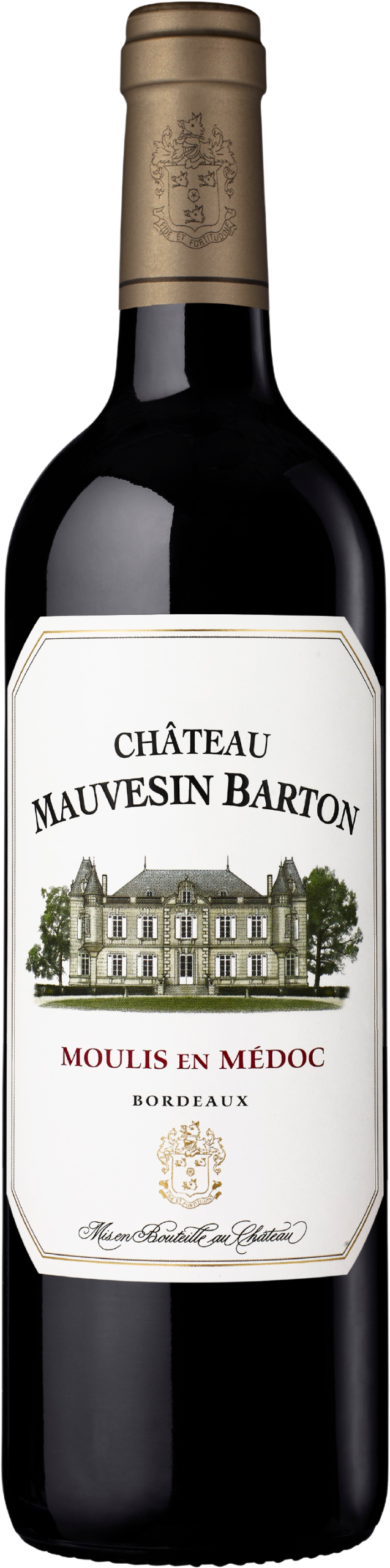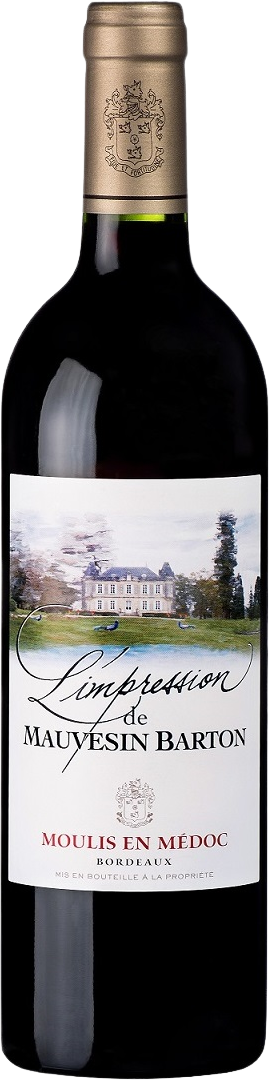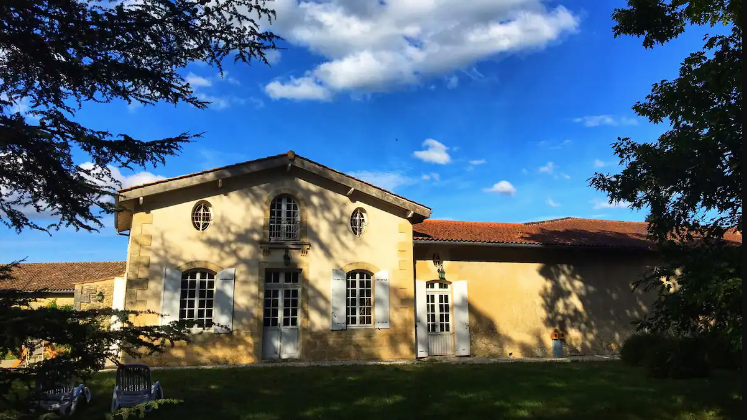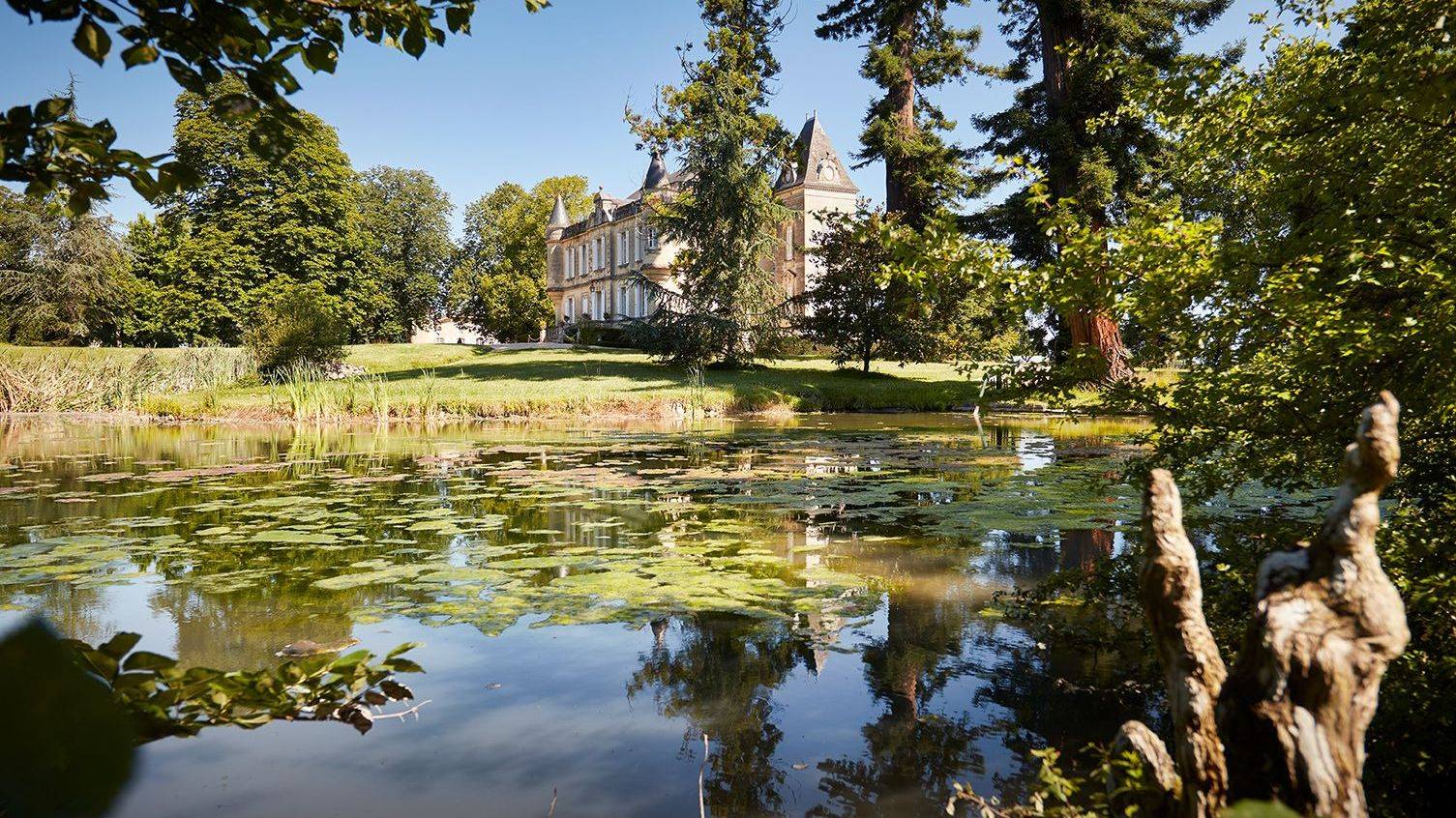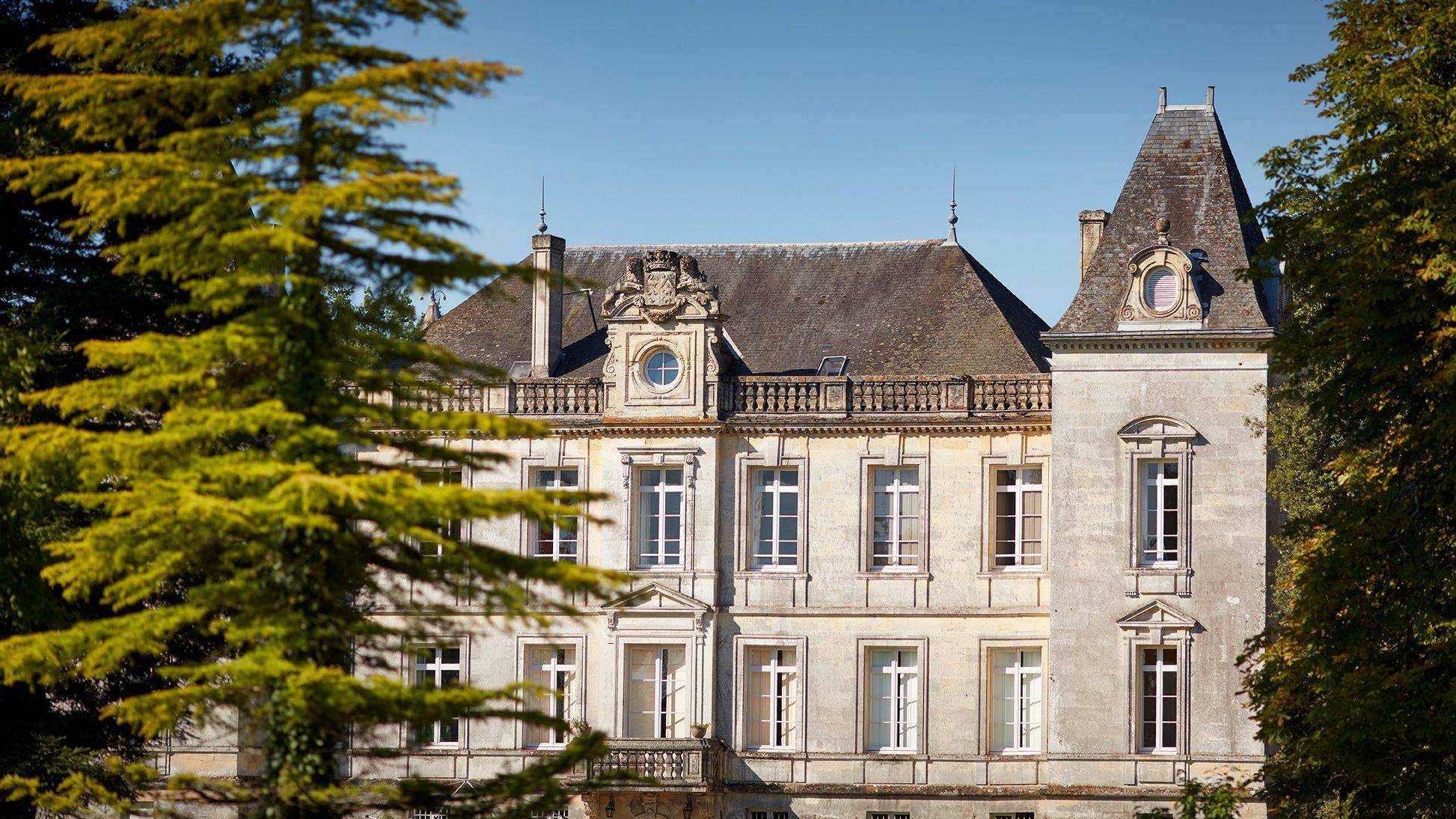
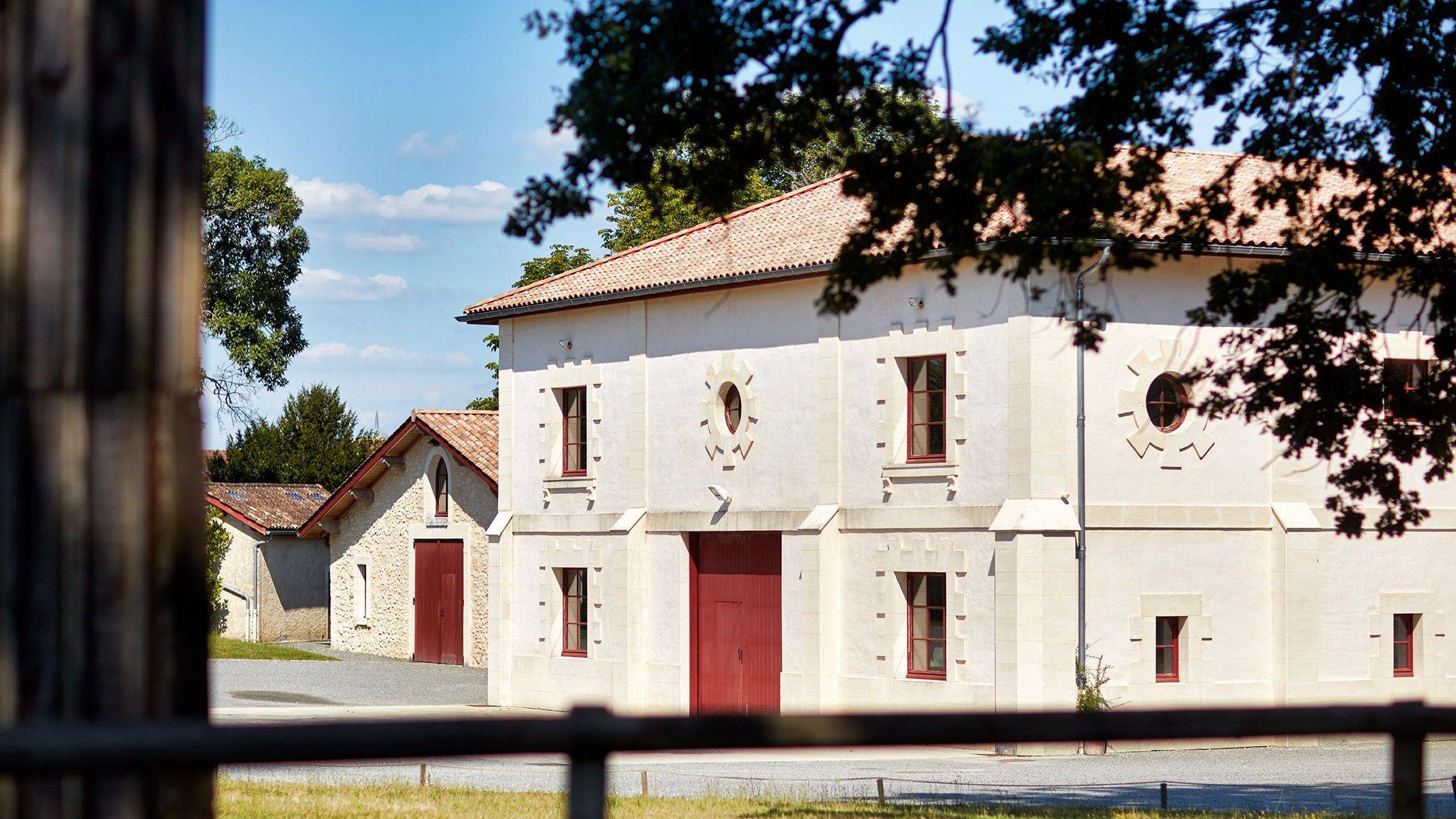
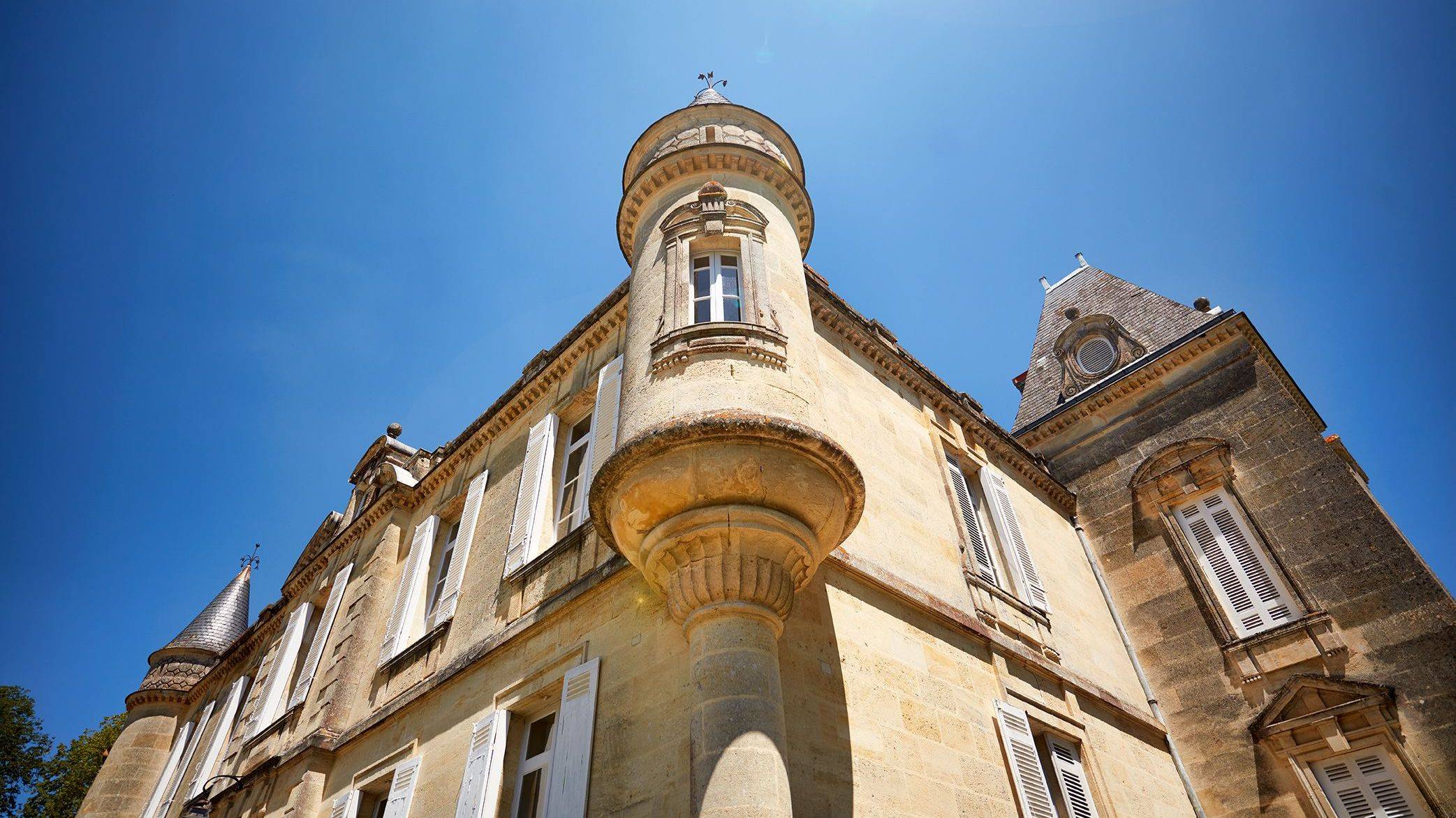
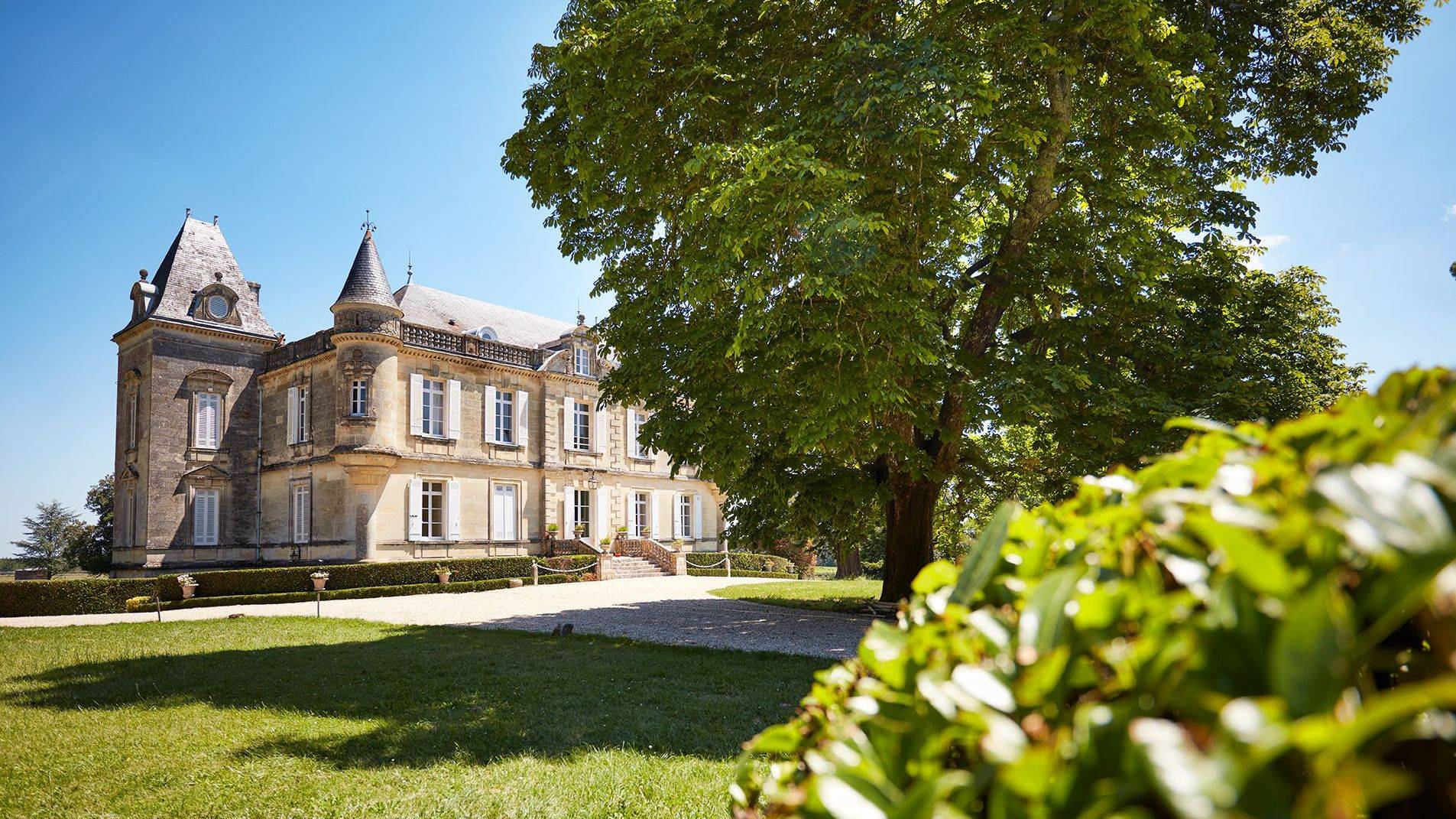
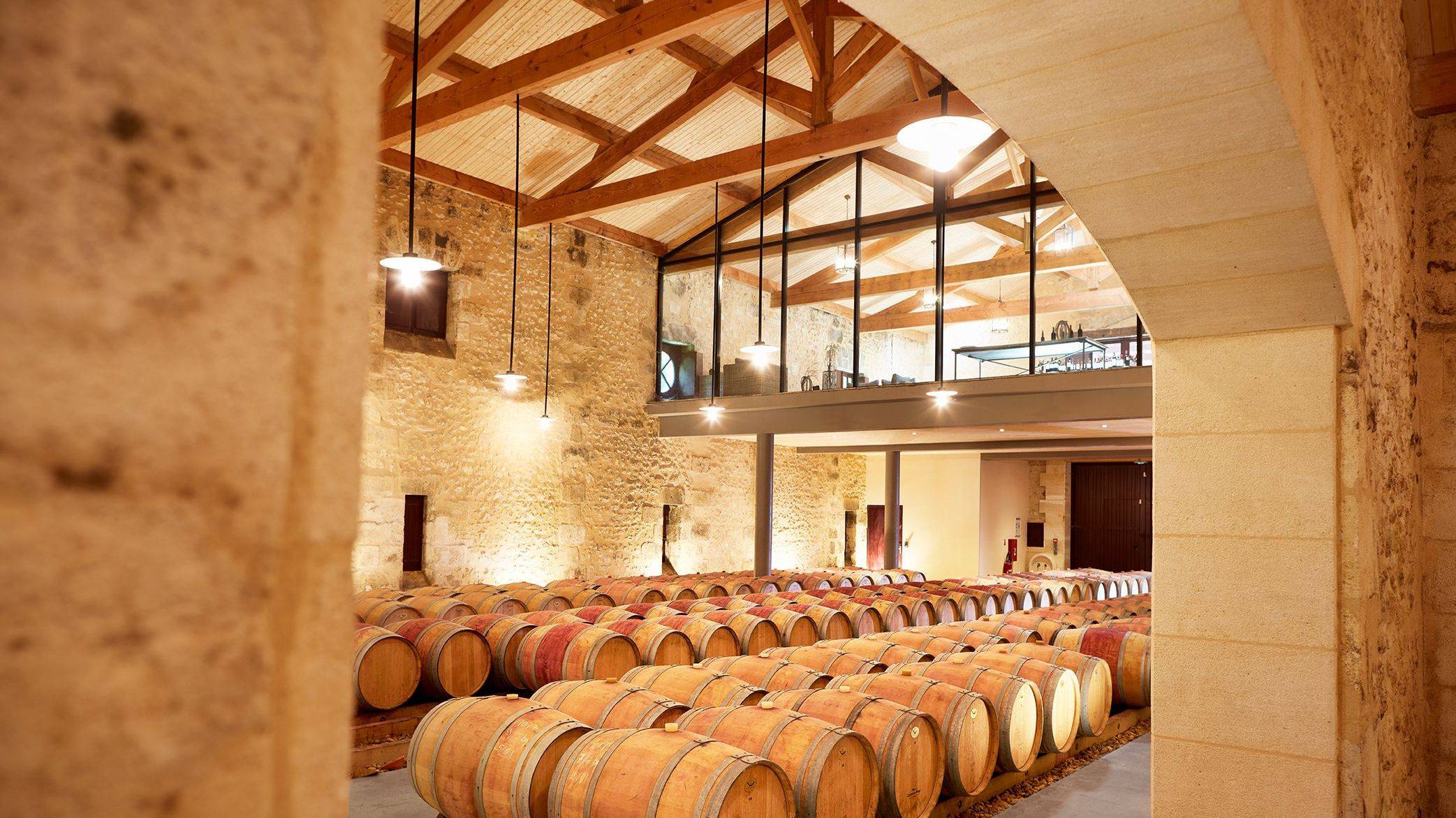
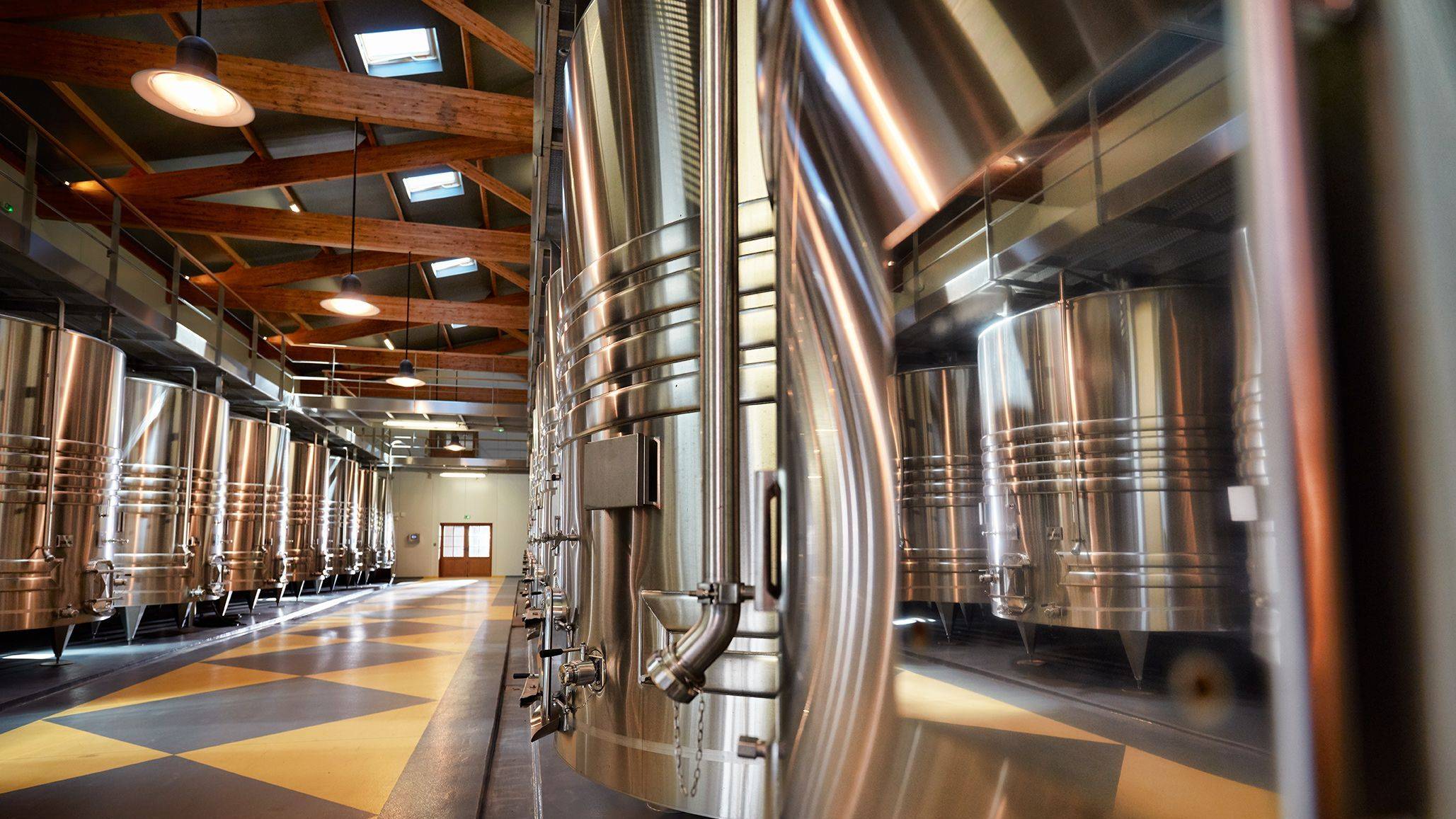
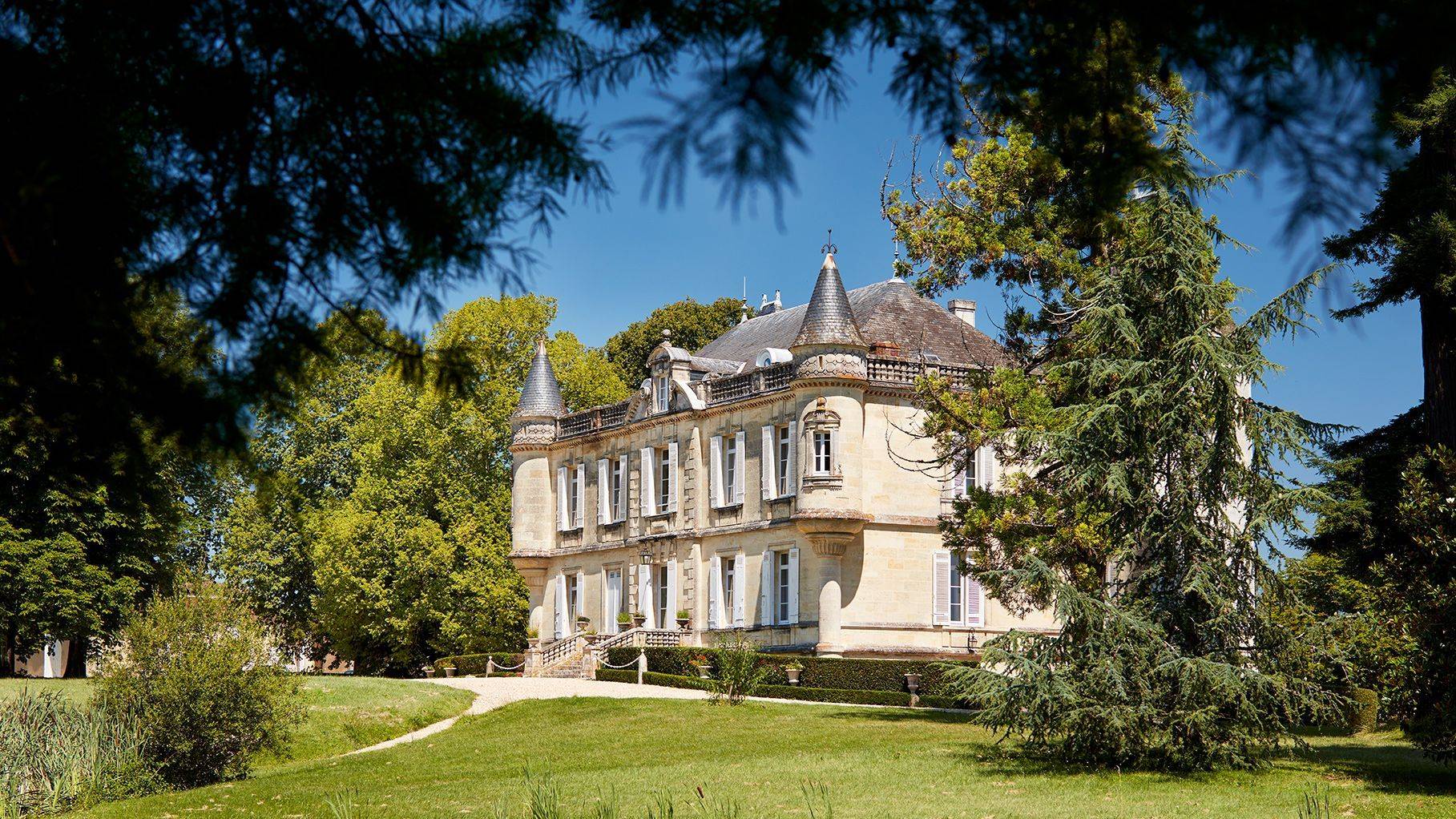
The history of Mauvesin began in the 15th century, in 1457, in the commune of Moulis in the Médoc, when Jean de Foix de Grailly was declared the owner of the first Château de Mauvesin, as there were to be two… It was a real fortified castle at the time. Fifty years later, it was acquired by the de La Rivière family and passed down through the marriage of Marguerite de La Rivière to Jacques Le Blanc in 1582, who thus became Lord of Mauvesin. Shortly after the Revolution, in 1792, the old château was seized by the State and put up for sale in Lesparre, where it was attributed to citizen Clarcke acting on behalf of … Pauline Le Blanc. The old château then remained the property of the family, but given its ruinous state, it was demolished in 1852. It was the Marquis Lodoïs Le Blanc de Mauvesin and his wife who built the present château in 1853, on the site of the original fortified castle. On the advice of the architect Perrier and inspired by the Louis XIII style, the château consists of “two pavilions and two turrets, combining elegance and solidity. In front of the façade is a magnificent garden with a pond and a fine collection of conifers”. The Marquis Lodoïs Le Blanc de Mauvesin died in 1884 without issue. He decided to bequeath his estate to his first cousin, Hippolyte de Baritault du Carpia, of whom he was the closest relative. The de Baritault family, a very old family of Vendée origin, kept Château Mauvesin for 4 generations until it was sold in 2011. Viscount and Viscountess Alain de Baritault du Carpia, heirs of the Le Blanc de Mauvesin family, sold the property on 4 August 2011 to Lilian and Michel Barton Sartorius. The Barton family has owned the Crus Classés Langoa and Léoville Barton in the Saint-Julien appellation for eight generations. The estate covers 220 hectares in a single block, including 51 hectares of vineyards. The terroir is partly clay-limestone, favourable to the development of Merlot, and partly fine gravel and sand with gravel, enabling the Cabernet Sauvignon to reach exceptional maturity. The old vat room has been restored to make way for a new barrel cellar. The new tasting room, with its combination of exposed stone and oak, has a large bay window overlooking the new cellar. A second barrel cellar has been completely rebuilt. Around fifty metres long, it can accommodate up to 500 barrels, resting on a bed of gravel to regulate humidity. All the barrels in the two cellars come from French oak forests, a third of which comes from Château Léoville Barton.
Château Mauvesin-Barton
Moulis-en-Médoc • 55 HA