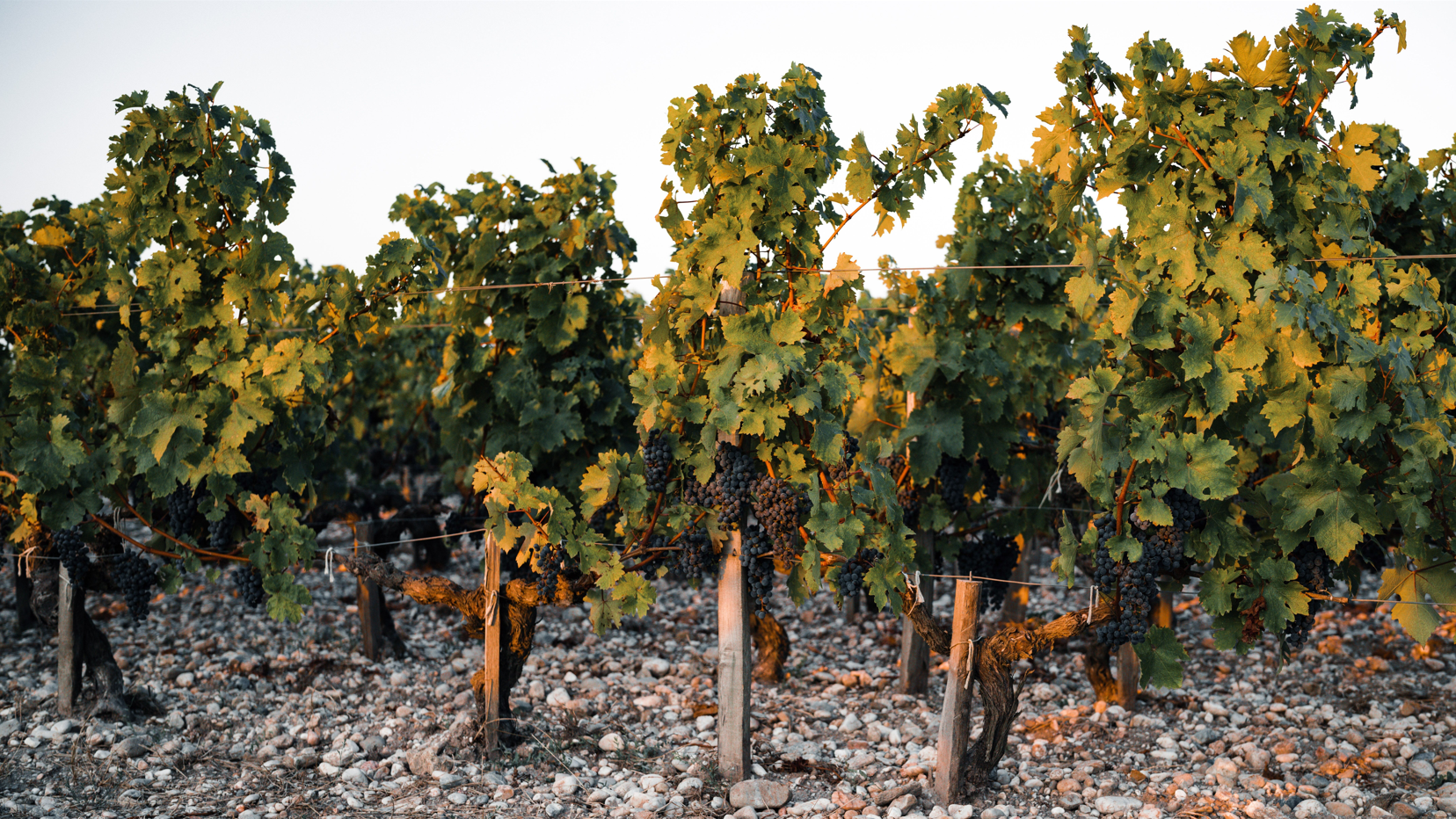
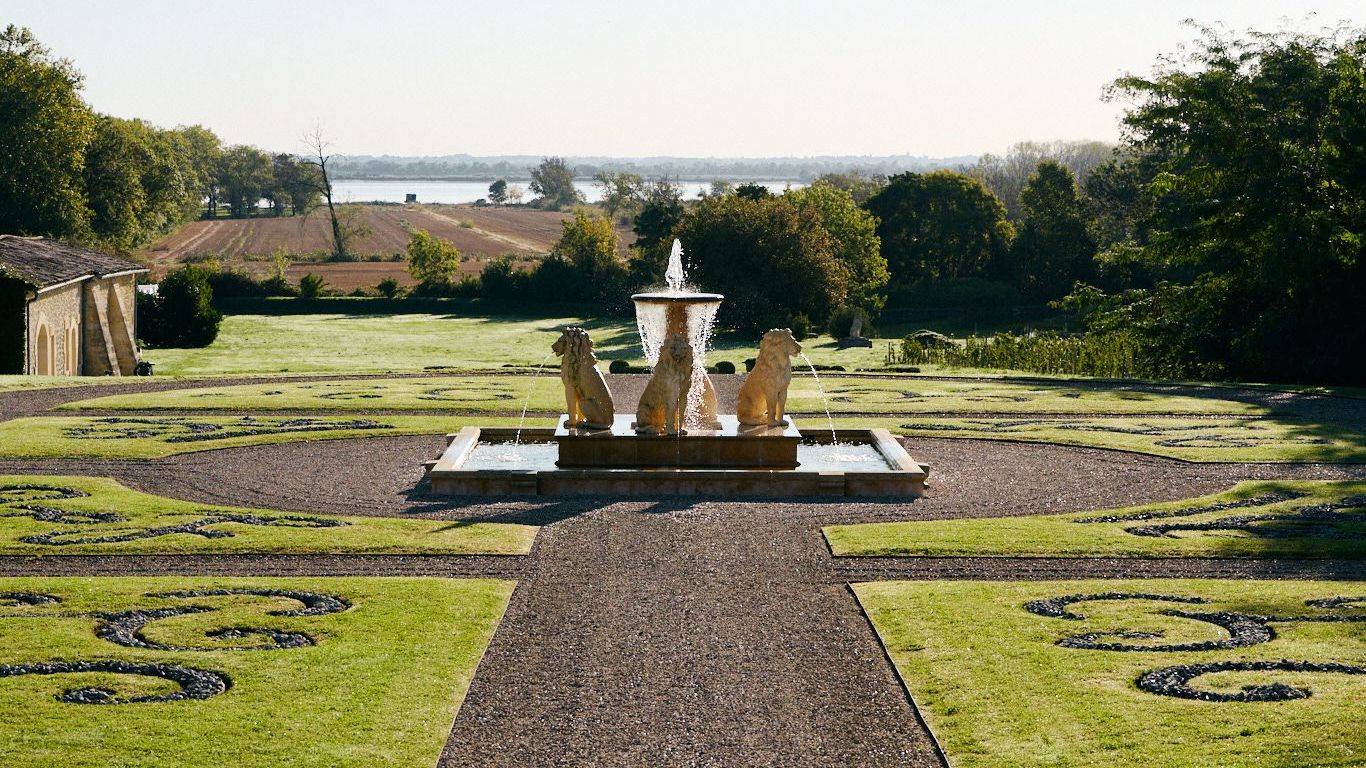
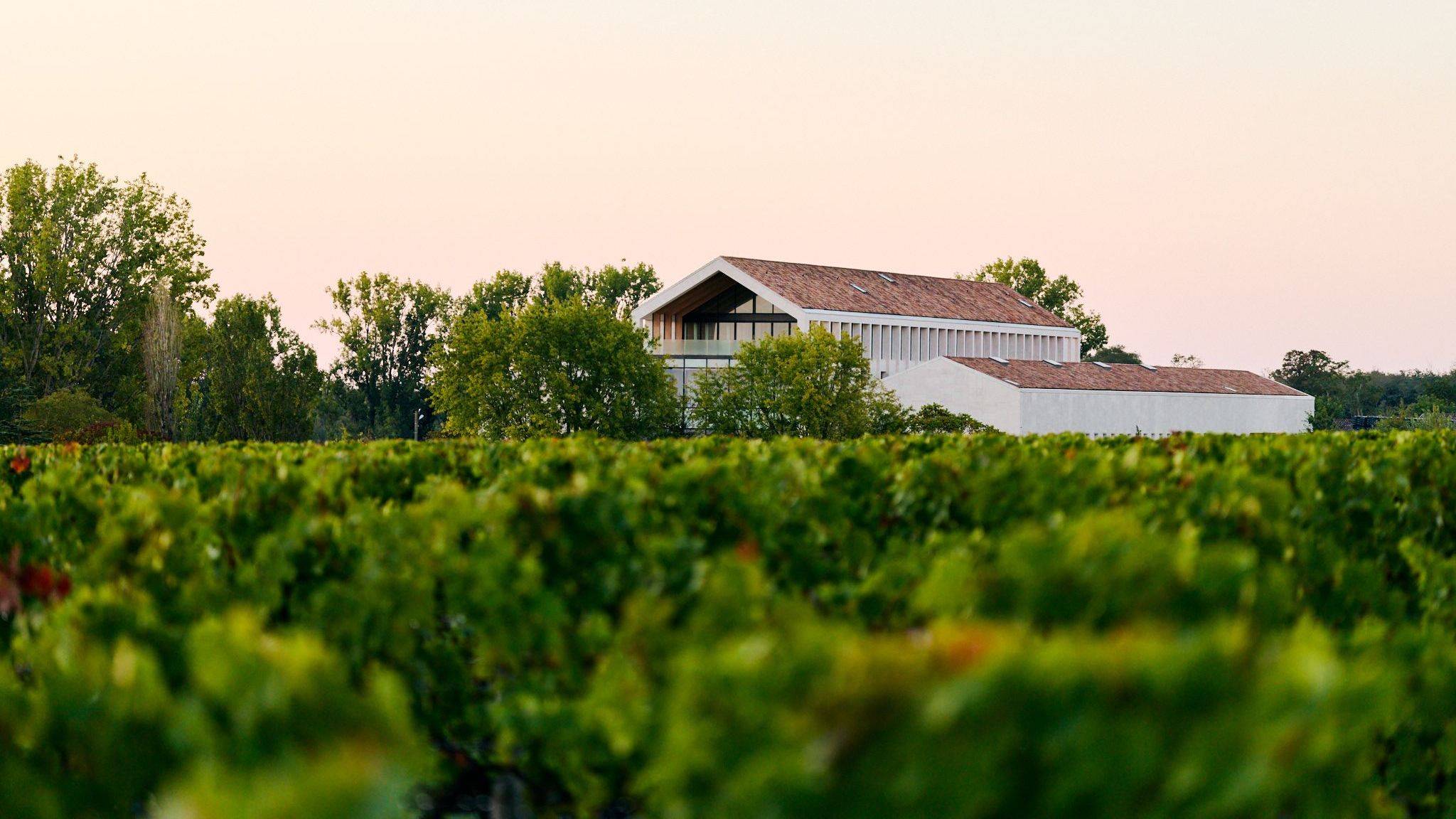
Léoville Las Cases, one of the oldest estates in the Médoc, was first planted in 1604 by Augustinian monks on a rare hillside plot rising from the banks of the Médoc. Its original name, Mont Moytié, referred to the noble Moytié family, who acquired and cultivated the vines from 1638.
The 18th century marked the beginning of the Las Cases family’s lasting legacy. In 1746, Pierre-Gaston de Las Cases became linked to the estate through his marriage to Anne-Jeanne de Moytié. On her death, the property passed to their children, Pierre-Jean and Jeanne de Las Cases. At the end of the 18th century, Pierre-Jean, Marquis de Las Cases, had to flee France during the Revolution, and his share of Léoville was confiscated and then sold as national property. The remaining portions of the estate were then administered by his sister Jeanne and their cousin.
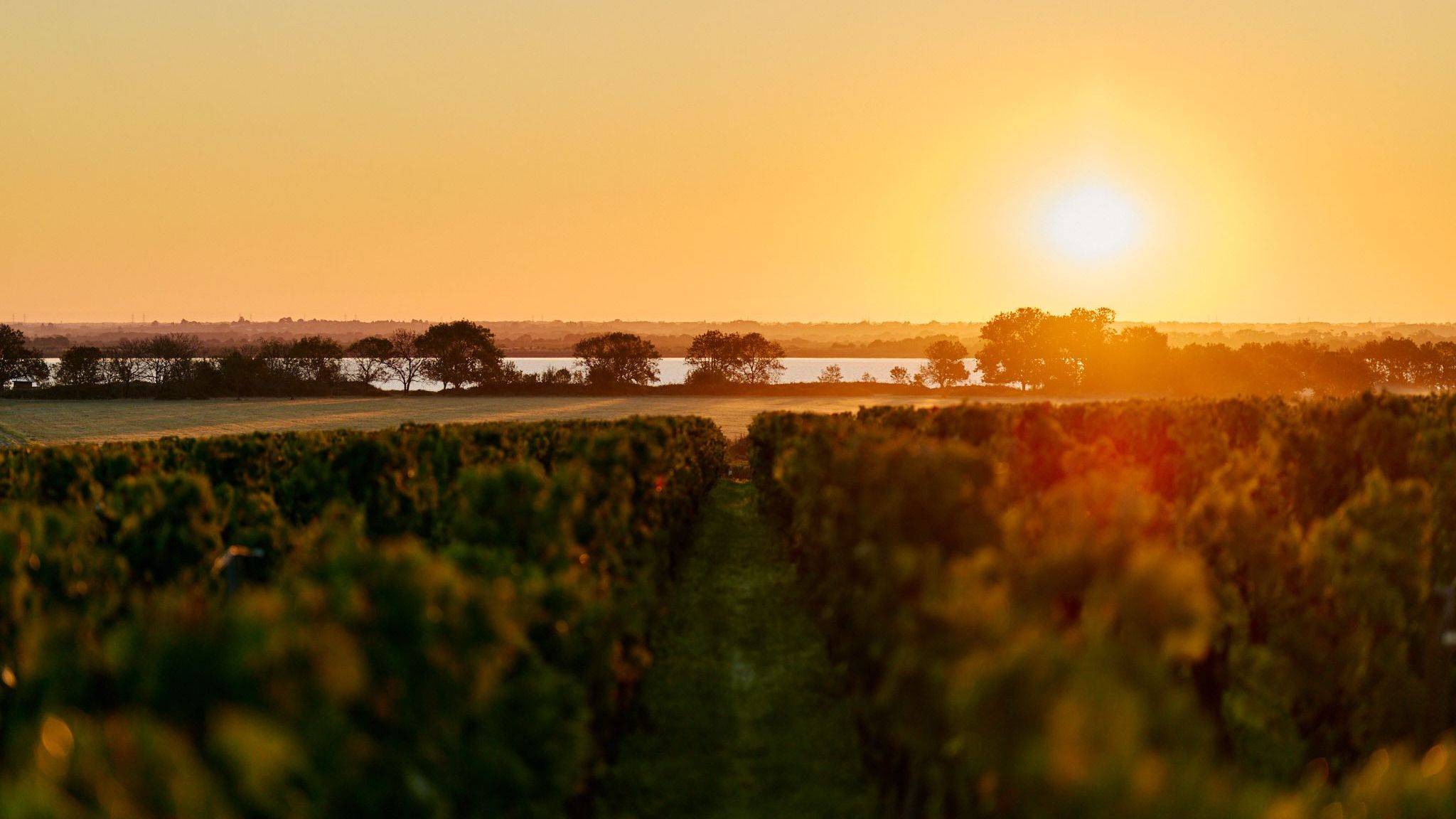
These divisions laid the foundations for the splitting of the original Léoville estate into three separate properties. The Las Cases family ultimately kept the largest share (around three fifths), which preserved the historic heart of the vineyard, a stone’s throw from the Gironde estuary.
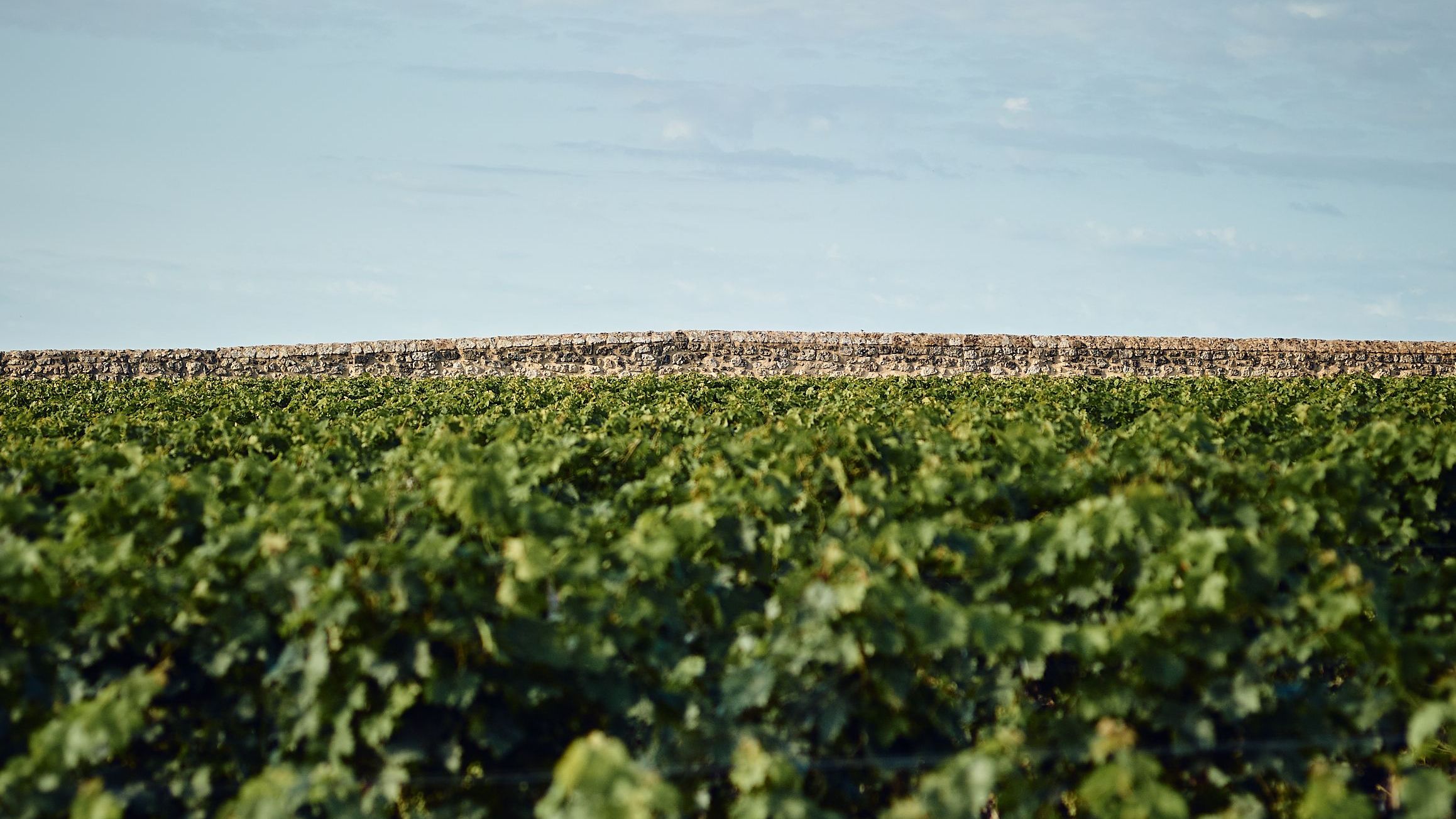
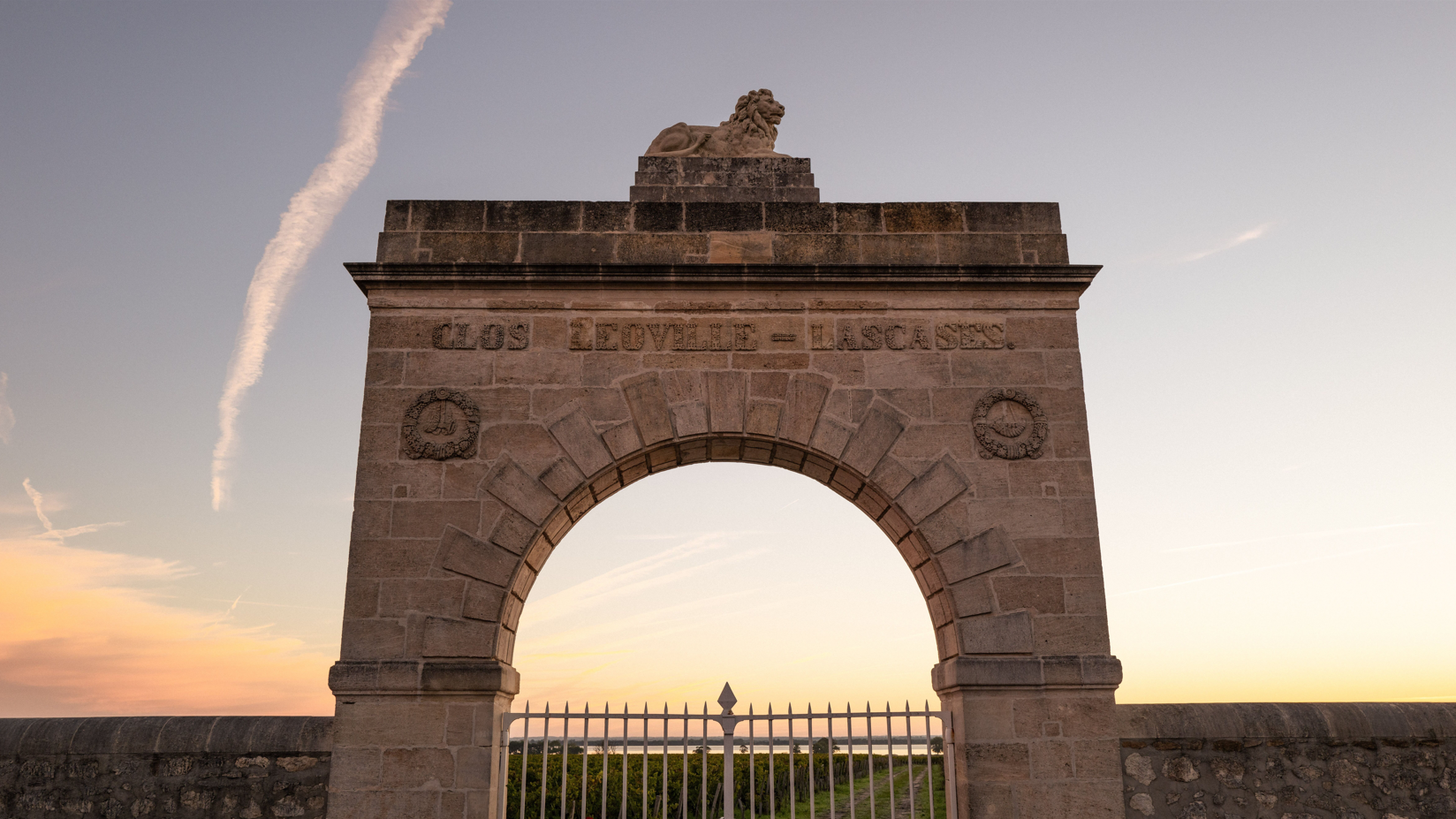
Around 1814, Pierre-Jean’s son, Adolphe Joseph Stanislas de Las Cases, returned from exile and gradually regained control of the property. It was under his direction that the monumental stone wall and the famous gate, later surmounted by the emblematic Lion, were completed.
Until the end of the 19th century, the estate remained in the hands of the Las Cases family. In 1900, a large share passed to Théophile Skawinski, manager of the château, and then, on his death, to his son-in-law André Delon. For more than a century, Château Léoville Las Cases has belonged to the Delon family.
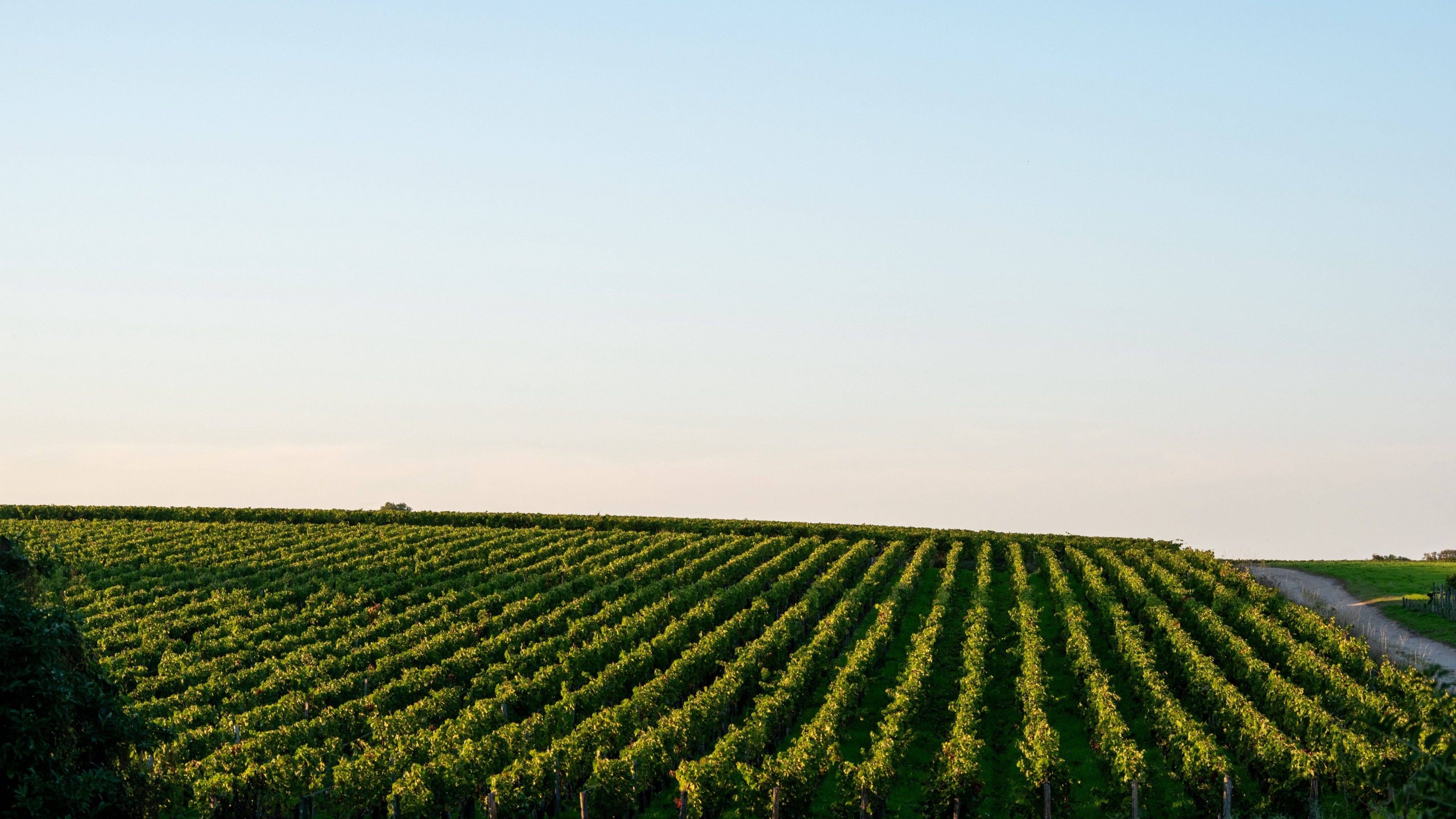
Today, the estate is run by Jean-Hubert Delon and his son, Arnaud Delon, representing the fourth and fifth generations respectively. They uphold a philosophy based on heritage, precision and terroir. Its emblematic gateway opens onto 54 hectares of vines, stretching from Saint-Julien to the edge of château Latour in Pauillac.
This historic vineyard gives rise to two exceptional wines:
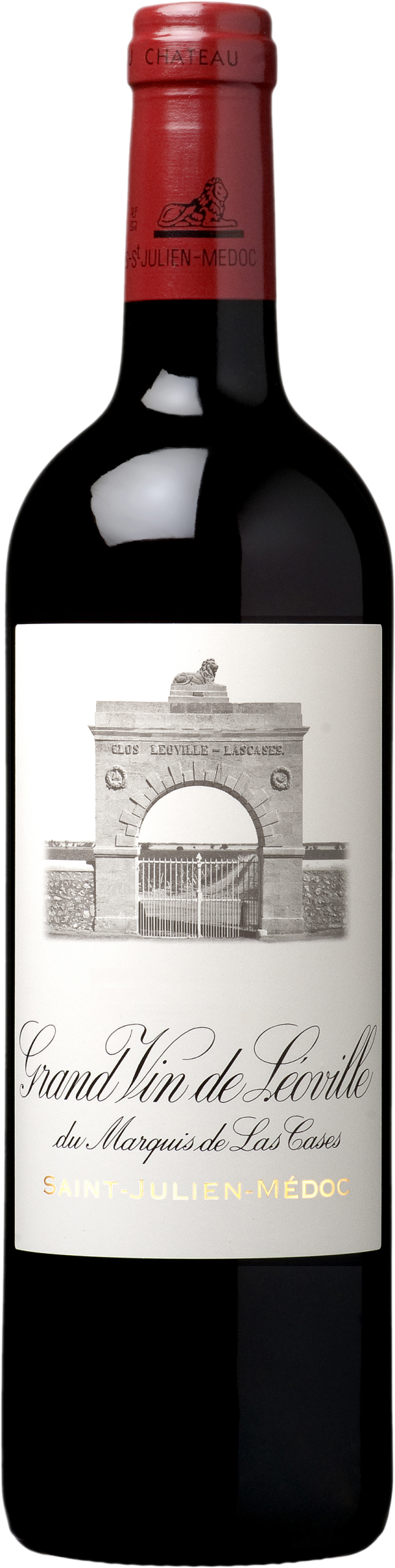
Le Grand Vin de Léoville du Marquis de Las Cases, from the original terroirs of the Domaine de Léoville dating from the 17th century. It embodies the timeless elegance of Cabernet Sauvignon and Cabernet Franc.
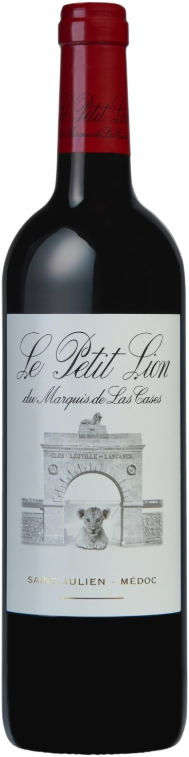
Le Petit Lion du Marquis de Las Cases, created in 2007 by Jean-Hubert Delon, made with a generous proportion of Merlot. It expresses the singular character of Las Cases while asserting its own identity, with approachability and finesse.
From vine to cellar, both wines are produced with absolute rigour and precision, reflecting the unique identity and longevity of each vintage.