Victor Fourcaud Beylot, a Libourne notable in the wine trade and elder brother of Jean Laussac Fourcaud, then based at Château Cheval Blanc, created the Château Couperie estate in 1862.
A witness to the sumptuous times of that second “Belle Époque” that followed the wine revolution of the 18th century, this estate comprised 23 hectares of vines on the three farms of Couperie, Le Colombier and Pagaud.
The château, whose park brings together many trees of very varied species, built in the centre of the estate, was described by the chroniclers of the day as one of the prettiest residences in Saint-Émilion.
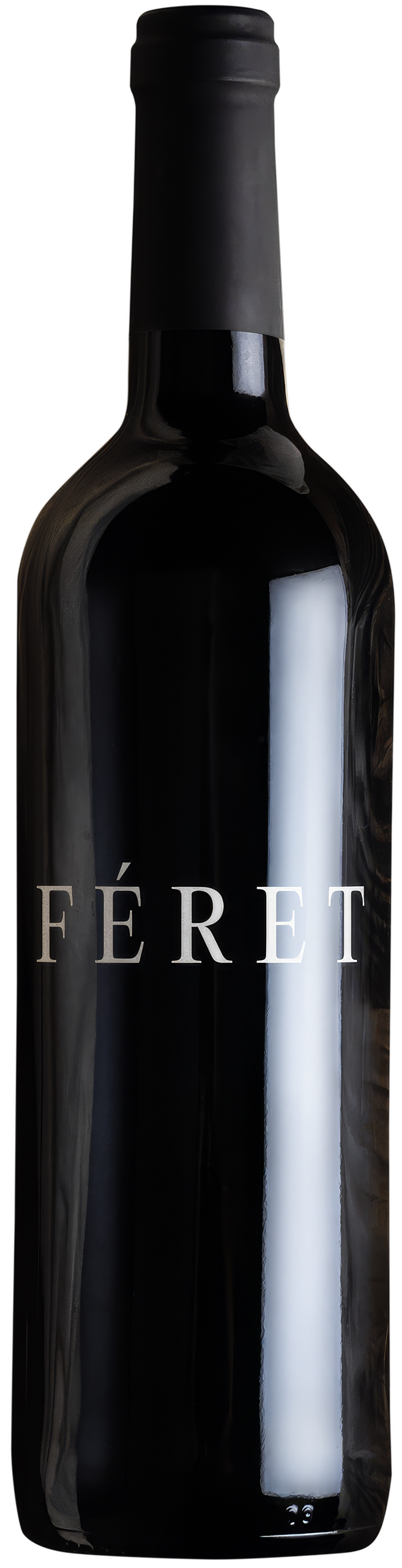
Victor Fourcaud Beylot took great care of his wines and, from 1881, Couperie was listed by Édouard Féret in Bordeaux et ses Vins® among the most highly rated.
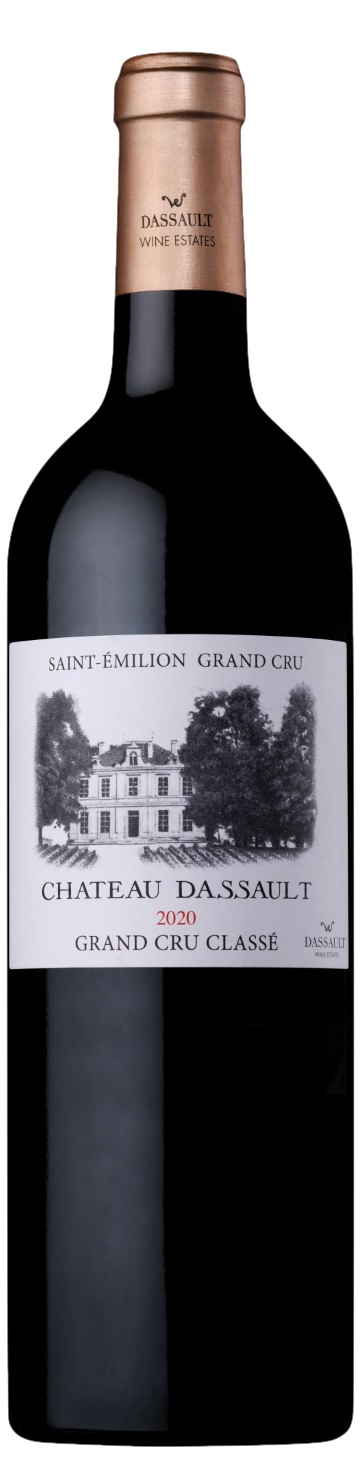
The property then belonged to M. Haudegand, then to Mme Renaud. Marcel Dassault, a visionary captain of industry, acquired Château Couperie in 1955 on an impulse. He renamed the property after himself and did everything to make it a recognised great cru. The estate saw the quality of its wine production improve vintage after vintage. In 1969, on its elevation to the rank of Grand Cru Classé, Château Dassault reached its true dimension.
Laurent Dassault is today chairman of Dassault Wine Estates, which brings together the three properties of the group’s wine division: Château Dassault, Château La Fleur and, more recently, Château Faurie de Souchard.
These entrepreneurial values of passion, progress and the constant quest for excellence, which are those of the Dassault family, apply to all of the group’s wine activities.
Since its acquisition, major investments have been made regularly at Château Dassault, such as large-scale drainage and replanting work.
Since the 1990s, all the viticultural work has been improved and enriched by very precise attention to each plot and by all the green work carried out with thought, vintage after vintage.
For ten years, the new vat room has allowed us to carry out plot-by-plot vinifications, thus completing the work done in the vines by bringing greater precision to the handling of the fruit.
More recently, new selection methods, such as an optical sorting table, have been introduced with a single objective: to place quality and rigour at the heart of the approach.
The work of selecting coopers, barrels, their origin and their toasting remains to this day a constant reflection to complete this work.
Thus the wines of Château Dassault show the great finesse drawn from the terroir with a harmonious structure. The tannins are present but not dominant, leaving the best place to the fruit and aromas, which can thus blossom on the palate.
Château Dassault produces on average 80,000 bottles of first wine annually.
Château Dassault
Grand Cru Classé
Saint-Émilion Grand Cru • 31 HA