When I ask wine-loving friends, “Can you give me the names of winegrowers in Bordeaux?”, they draw a blank, whereas they readily name Jacky Blot, Landron and Germain in the Loire, or Ganevat, Tissot and Overnoy in the Jura…
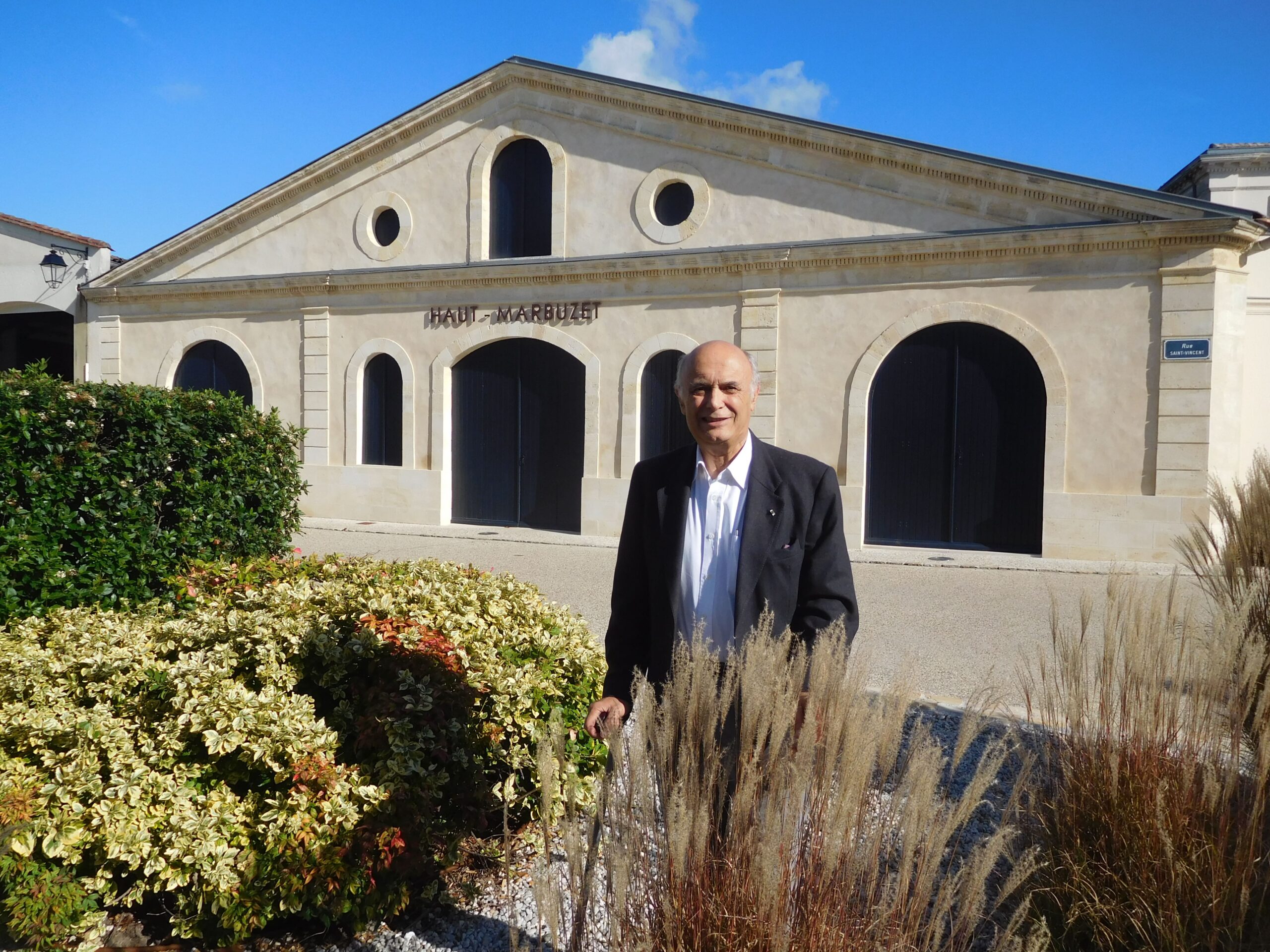
In other French regions, behind an estate there is a winegrower. Bordeaux hides behind its brand, its château name. Yet this is not inevitable.
I think the specificity of the Place de Bordeaux partly explains this. On one side, the estate that produces (in bottle or in bulk); on the other, a négoce that sells. It is hard to embody your brand when you have entrusted its sale to a third party. This system has proved its worth and has carried the Bordeaux brand far. Who but the négoce could bring a few cases of each cru to the world’s main capitals?
I understand that the classified growths worked to build strong brands, building over the long term the reputation of a château brand. But this strategy cannot work for the other 5,000 Bordeaux châteaux. Being a château is not enough. The other wine regions, in my view, have been too keen to ape the grand cru model. Putting the word “Château” on a label was not yet common practice at the start of the 20th century. It was after the 1960s that the practice became widespread. As if claiming the word “Château” were enough to gain access to the prestige of the brand. The term has been greatly debased. How can consumers still have confidence in a region that puts “Grand Vin de Bordeaux” on a bottle sold for 3 euros in a supermarket?
I believe in the future of Bordeaux if we rise to the challenge of embodying our brands, personally. It is not the oenologist who makes the wine, it is the winegrower. He stakes his image and must be the guarantor of quality. That is the prerequisite for restoring consumer confidence.
Embodying your brand also means going out to meet the consumer and creating a personal, intimate relationship. Our wines are there to create emotions, to send shivers down the spines of those who place their trust in us. We therefore need to take back control of our sales. This means creating real partnerships with our distributors, whether they are négociants, importers, wholesalers or wine merchants.
It is in this spirit that we launched Bordeaux Pirate. A collective of organic winegrowers who innovate, who step off the beaten track and who go out to meet their customers to offer them new experiences.
I believe in this Bordeaux, embodied by passionate winegrowers, and I believe in a brighter future for Bordeaux wine. Because the talent is already here, because our terroirs have already proved themselves, because this crisis demands a deep re-examination, and because many of us are already on the move to shape this new Bordeaux wine.