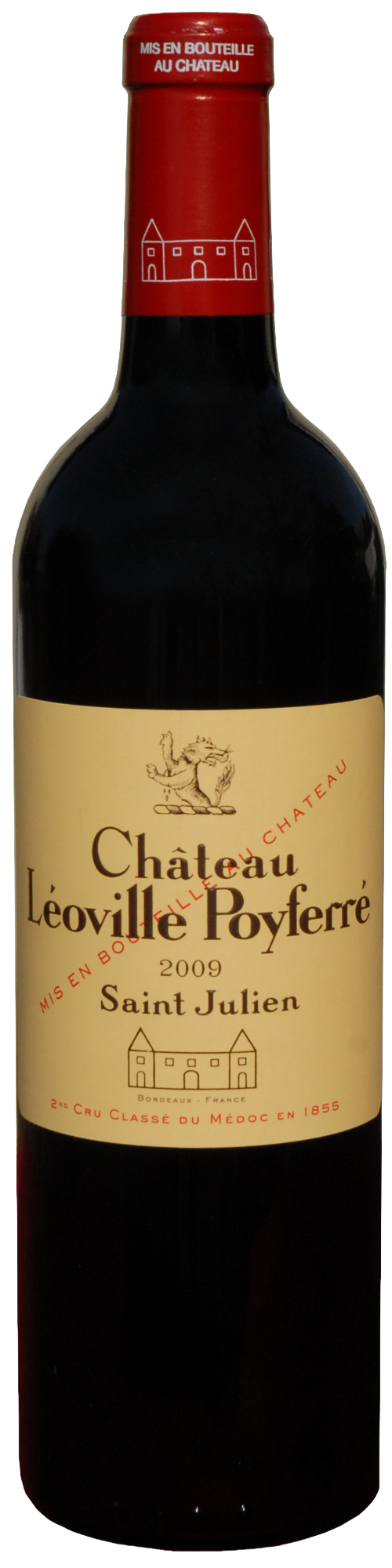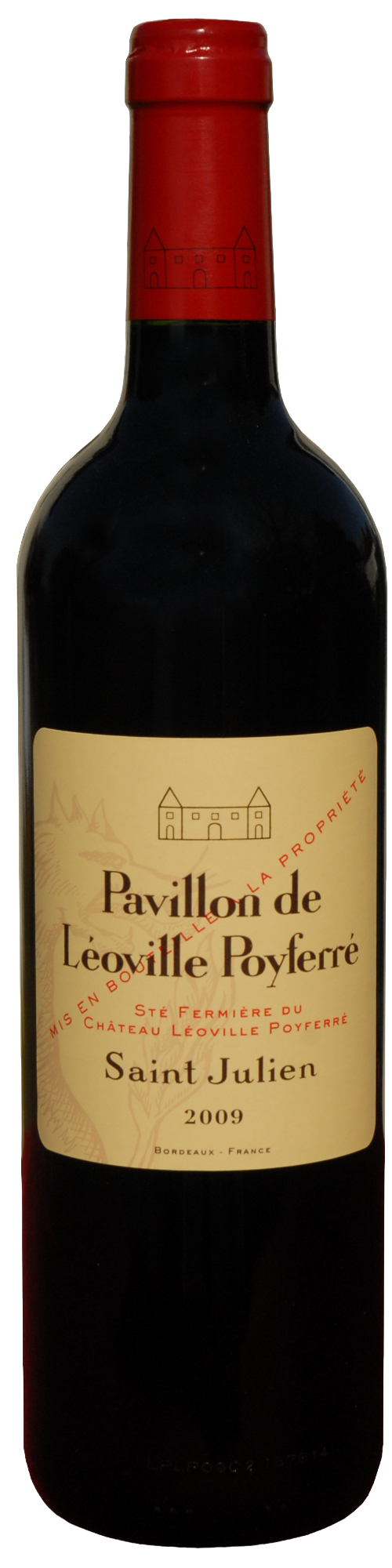
Léoville-Poyferré has its origins in the 17th century, when Jean de Moytié, an ennobled bourgeois and counsellor at the Parlement of Bordeaux, owned a large vineyard planted on the banks of the Gironde. The estate remained in this family for a century, then passed to the House of Gascq. Alexandre de Gascq, influenced by the ideas of the physiocrats and versed in matters of the land, preferred the maze of cellars to that of palace corridors. He renamed the Moytié growth Léoville. A century later, the Léoville estate was divided. Jeanne de Lascases, a descendant of Alexandre de Gasq, ceded her share to her daughter, married to Baron Jean-Marie Poyferré de Cerès, from a noble house of Armagnac. Typically Gascon, this name Poyferré means a “point ferré”, that is, a stretch of stoned roadway where horses and vehicles have to wear iron shoes. At the birth and baptism of the growth, this part of Léoville then became Léoville Poyferré.
After a decade of very poor and low-quality harvests, Jean-Marie Poyferré and his wife resigned themselves to parting with Léoville Poyferré, which they finally sold in 1865 to the Lalande and Erlanger family, a great family of bankers and wine brokers. Related to the Lawtons, Armand Lalande presided over the destiny of the estate from 1866. Now within the fold of the Bordeaux trade, Château Léoville Poyferré benefited from the outlets offered by the Place de Bordeaux, which guaranteed it lasting financial stability.
In 1920, the Cuvelier family acquired Château Léoville Poyferré, and also bought Château Moulin Riche, which was to be classified as Cru Bourgeois Exceptionnel in 1932. The grapes from these twenty hectares have since been vinified in the facilities of Château Léoville Poyferré.
This family from the north of France did not arrive in Saint-Julien by chance. In 1804, Henri Cuvelier founded a wine trading house in his native Haubourdin, a large commercial and industrious market town in the North. This business grew rapidly, carried by the renewed interest in the great wines of Bordeaux, and over the course of the 19th century the house managed to create a dense commercial network from Normandy to Flanders. From 1903, the Cuveliers, familiar with the Bordeaux brokers, gave it a new direction by gaining a foothold in the Médoc vineyards. Their first acquisition was Château Le Crock, at the time a 1st Cru Bourgeois Supérieur of Saint-Estèphe.
From 1920 to the present day, the Cuvelier family has overcome years of crisis, years of war and years of frost, and preserved its vineyards in adversity.
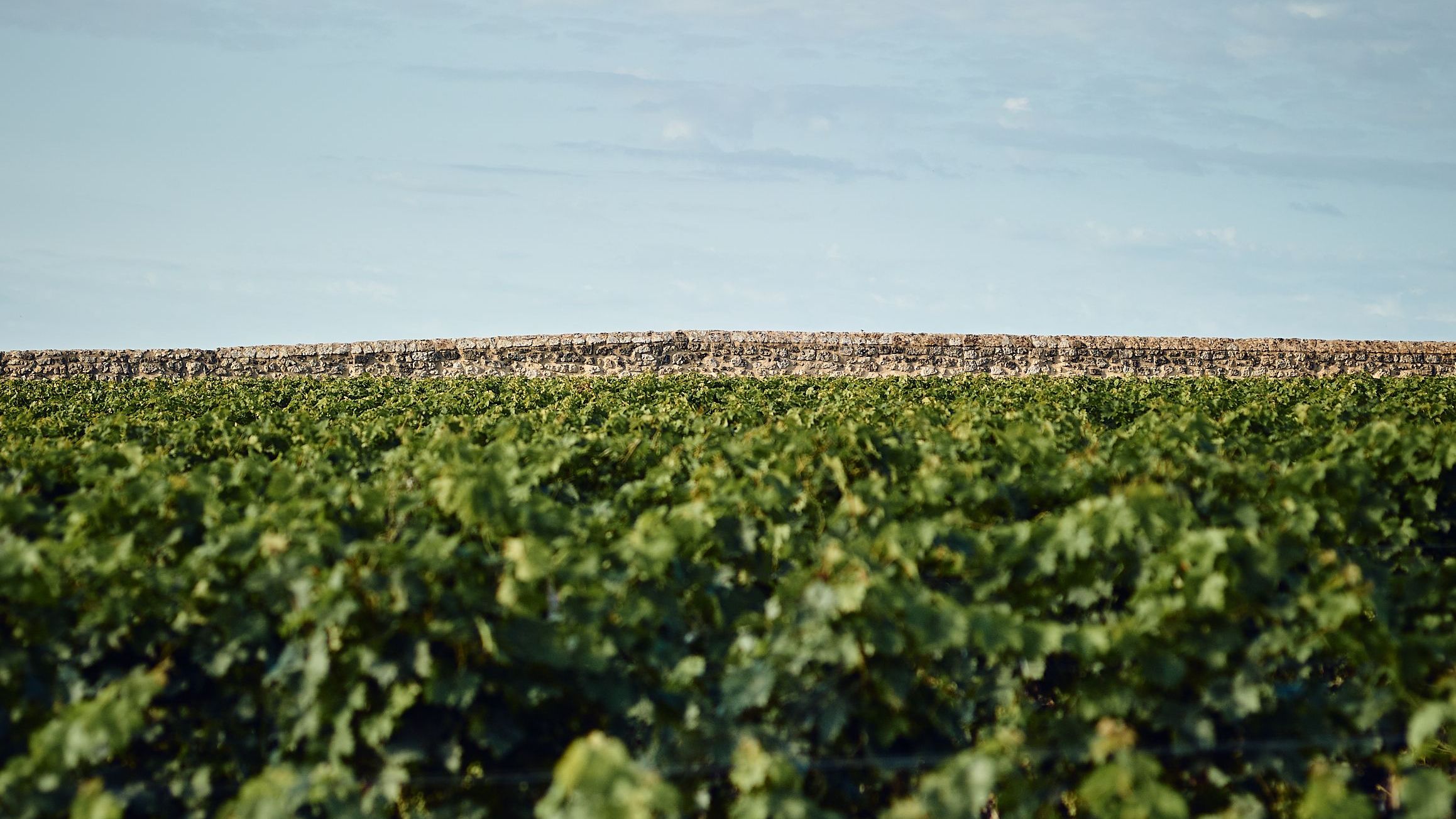
The arrival of Didier Cuvelier in 1979 marked an important turning point for the family estates and more particularly for Léoville Poyferré. New cellars designed by talented young Bordeaux architects were happily built, allowing the Poyferré wines to age peacefully in new oak barrels. Great efforts were also made in the vat room, which is today among the pioneers of modernity with double-walled, truncated-cone stainless steel vats. These facilities correspond to the plot layout of the 60 hectares of red vines of Château Léoville Poyferré, which have always been spread on either side of the D2 road, on rises of Garonne gravel and wind-blown sand whose slope ensures effective natural drainage.
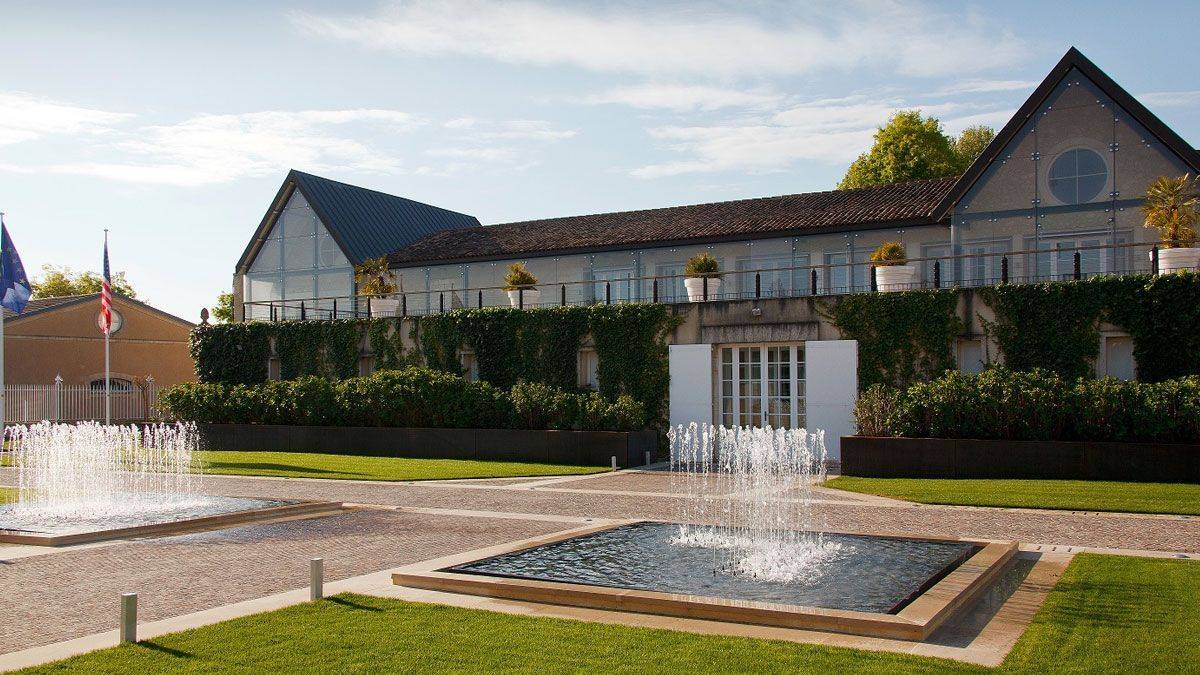
Located on this major tourist route of the Médoc, in the heart of the village of Saint-Julien, the estate is turning in this 21st century towards wine tourism: a car park, visitor reception buildings and a reception room were built during the 2010s, offering a comfortable stop for enthusiasts and professionals alike.
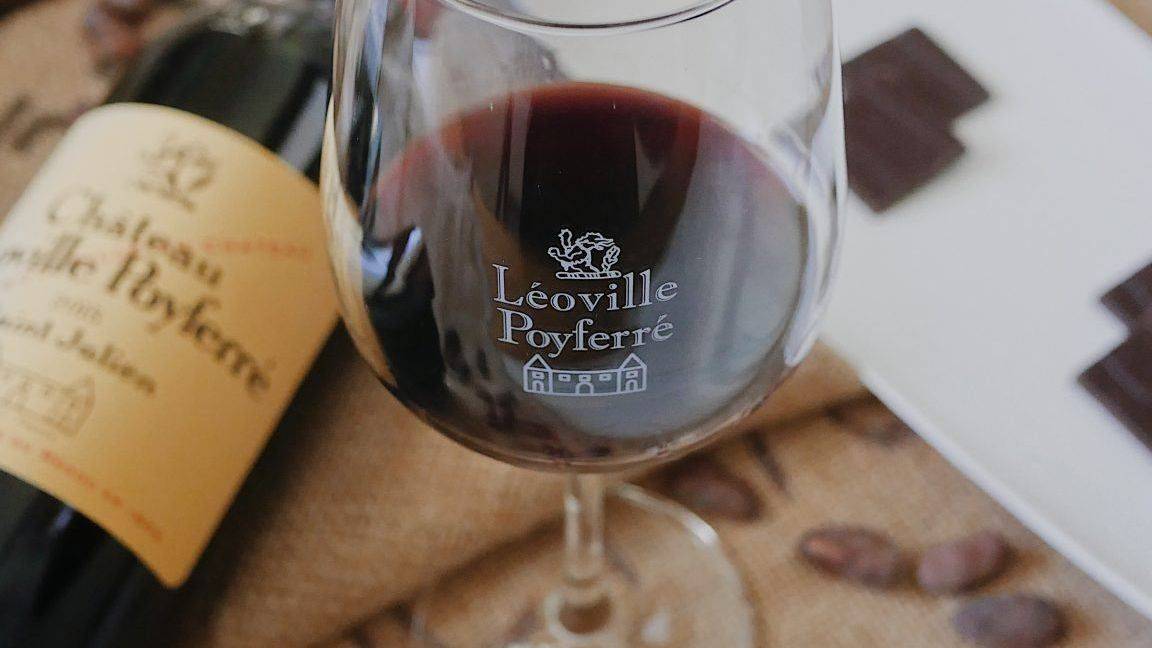
Léoville-Poyferré meets with great success, both in France and abroad, for its wines, deep in colour, rich in aromas, distinguished but not lacking in structure; they elegantly reveal a complexity that excites the taster.
Château Léoville Poyferré
2e Grand Cru Classé
Saint-Julien • 90 HA