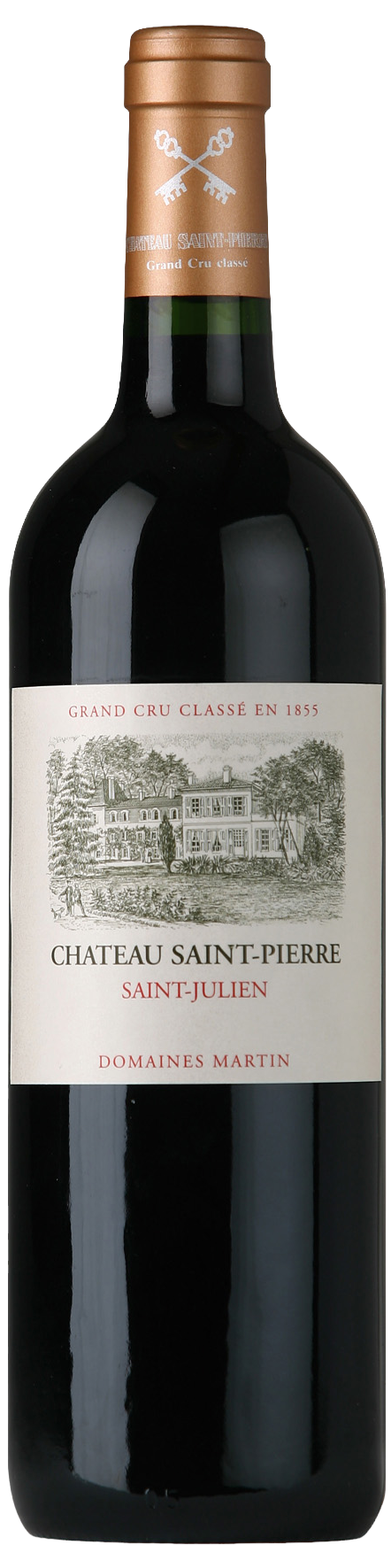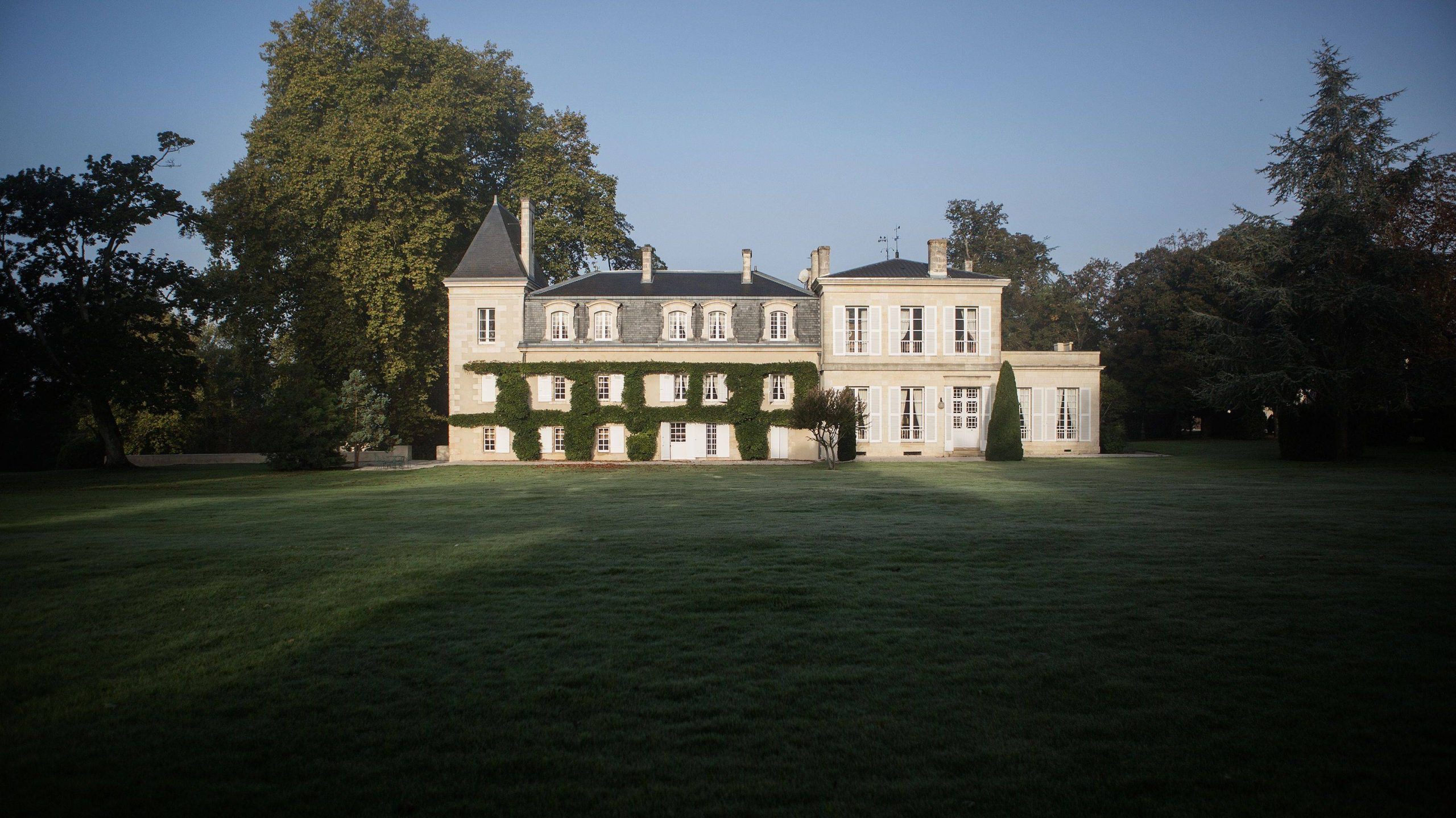
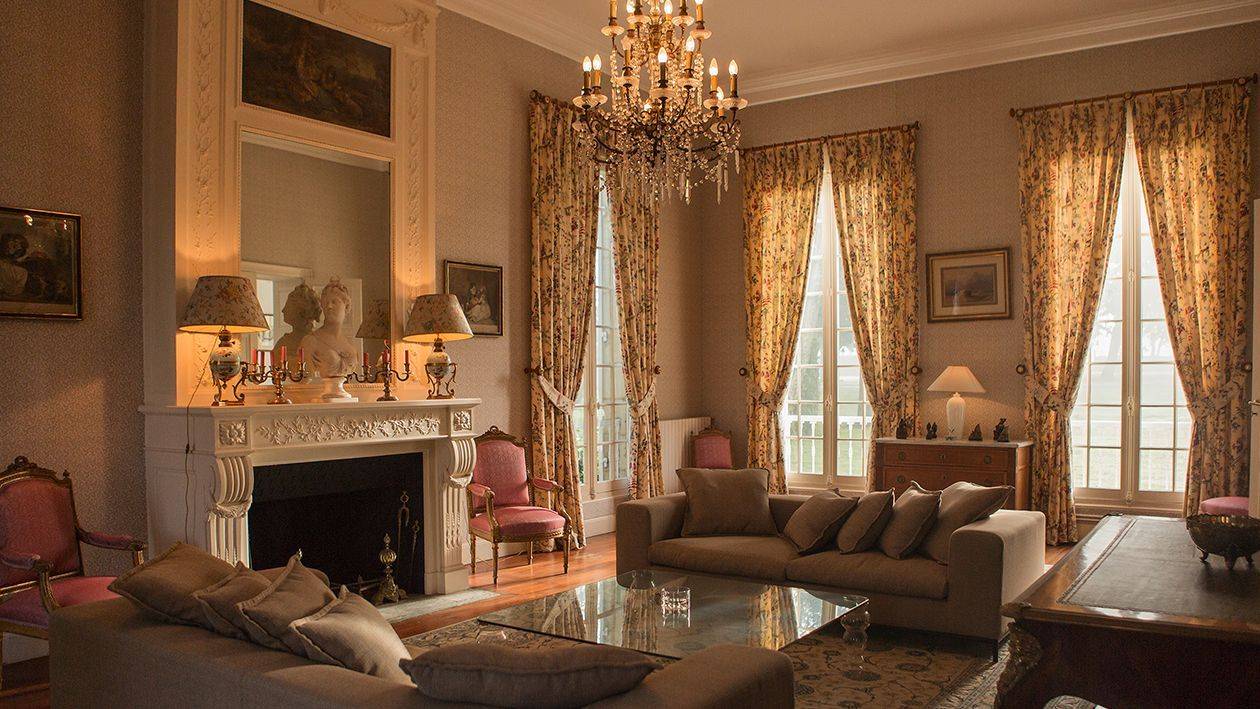
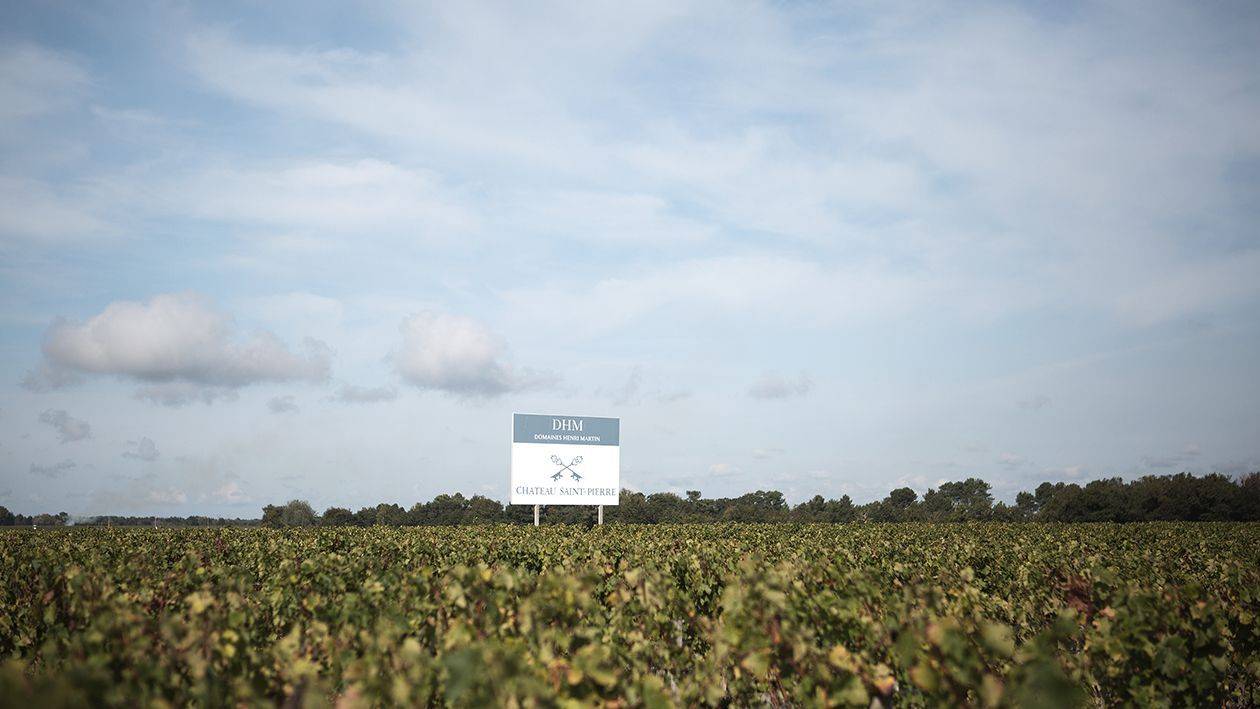
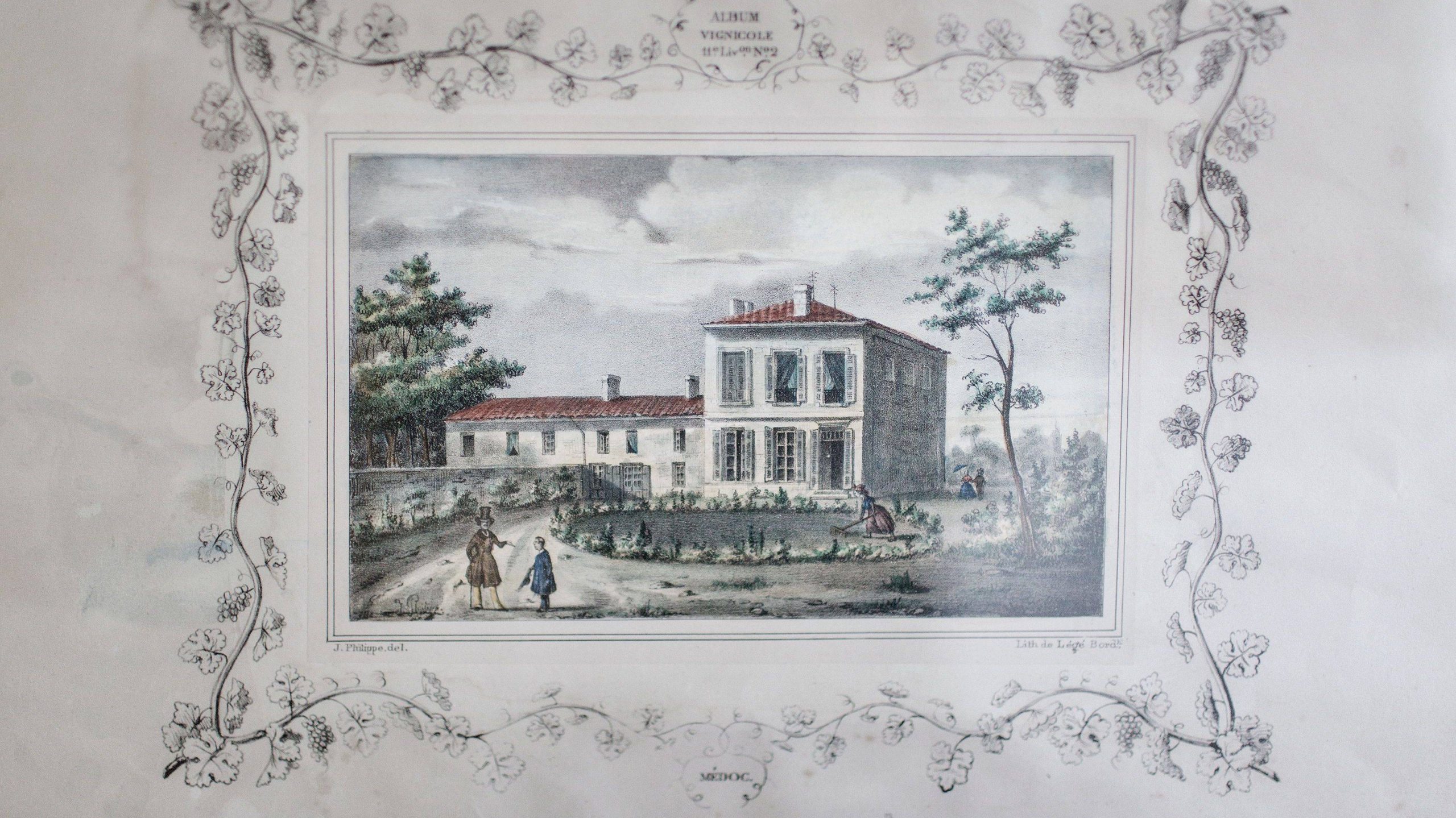
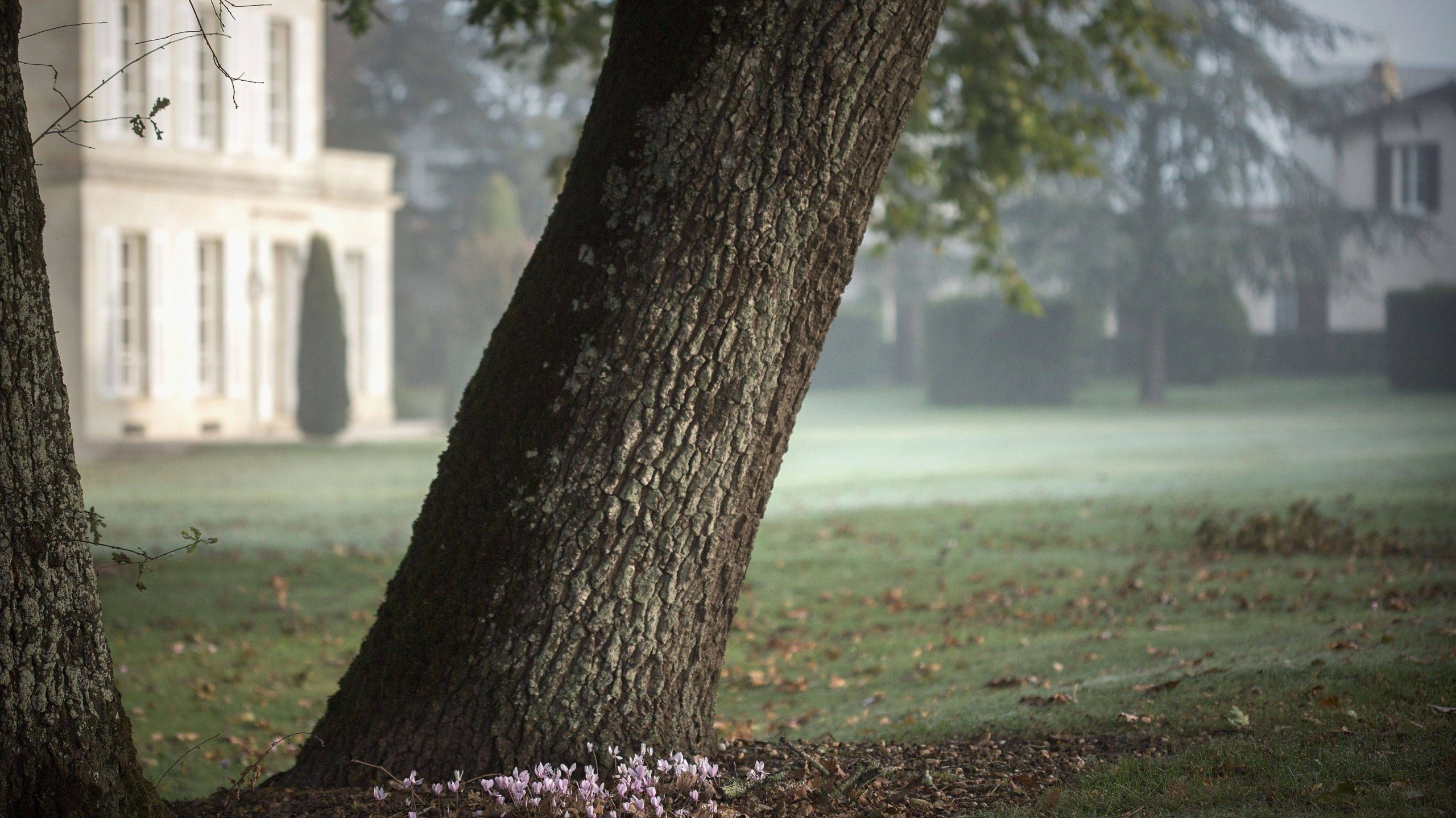
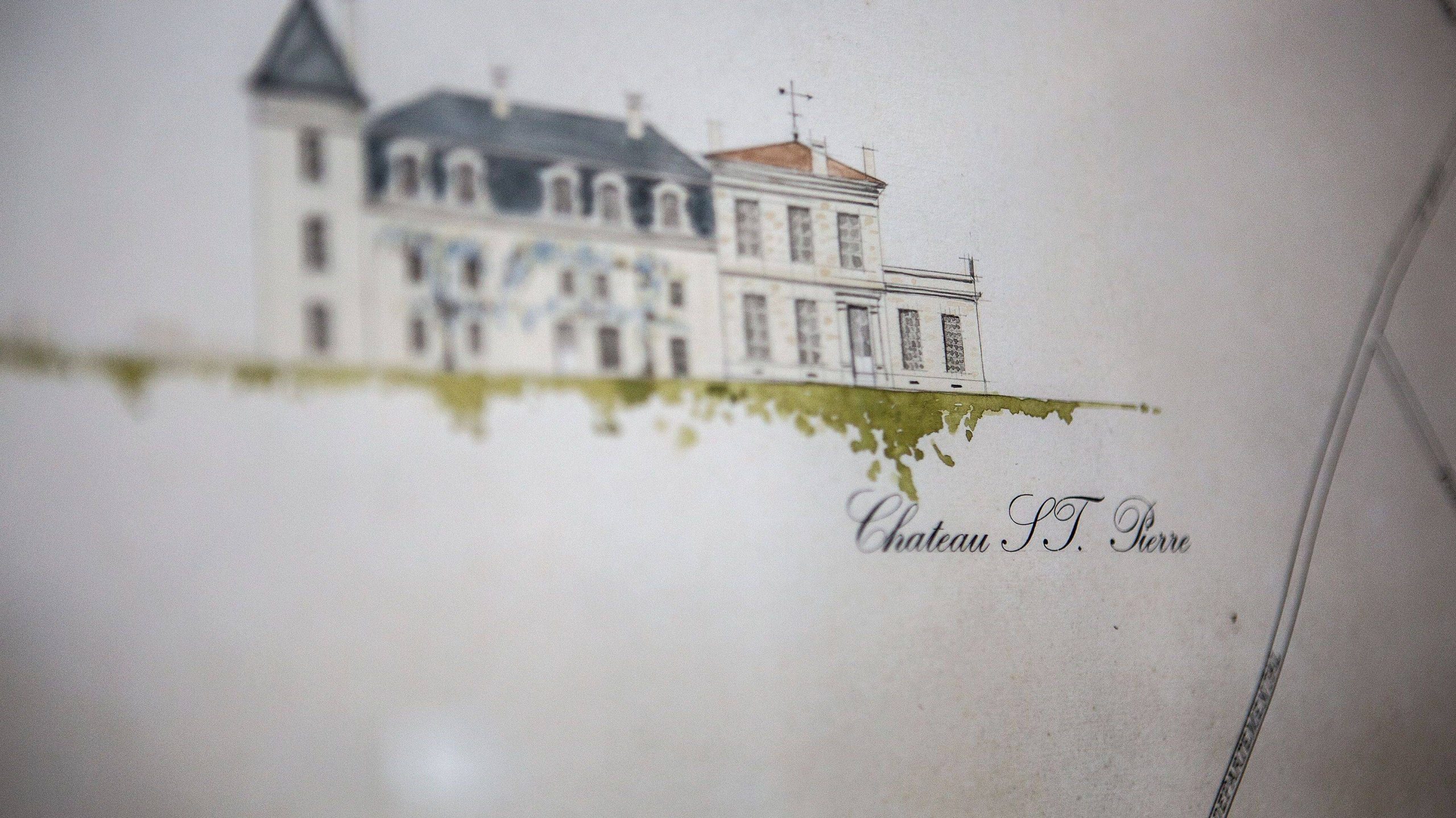
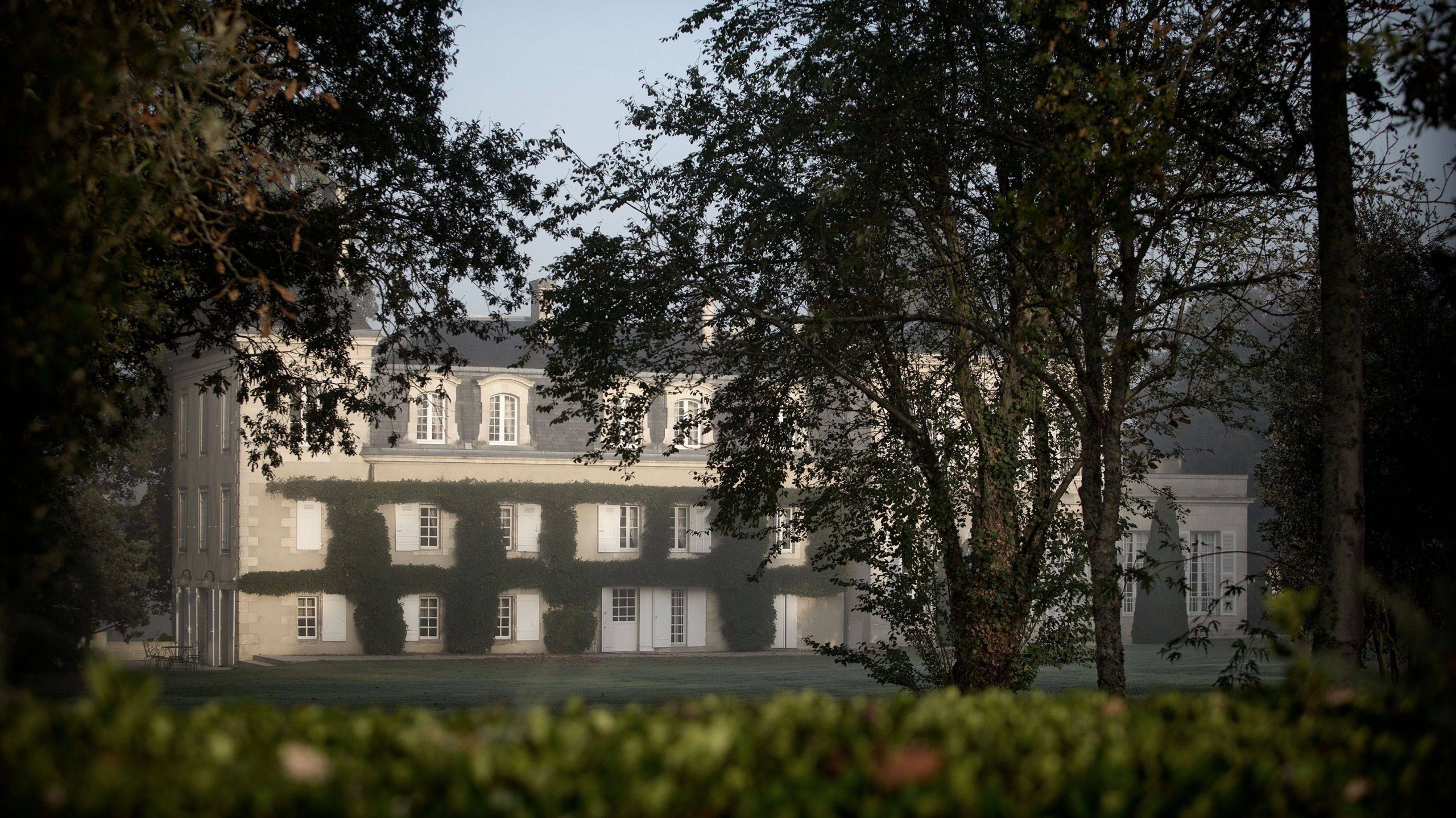
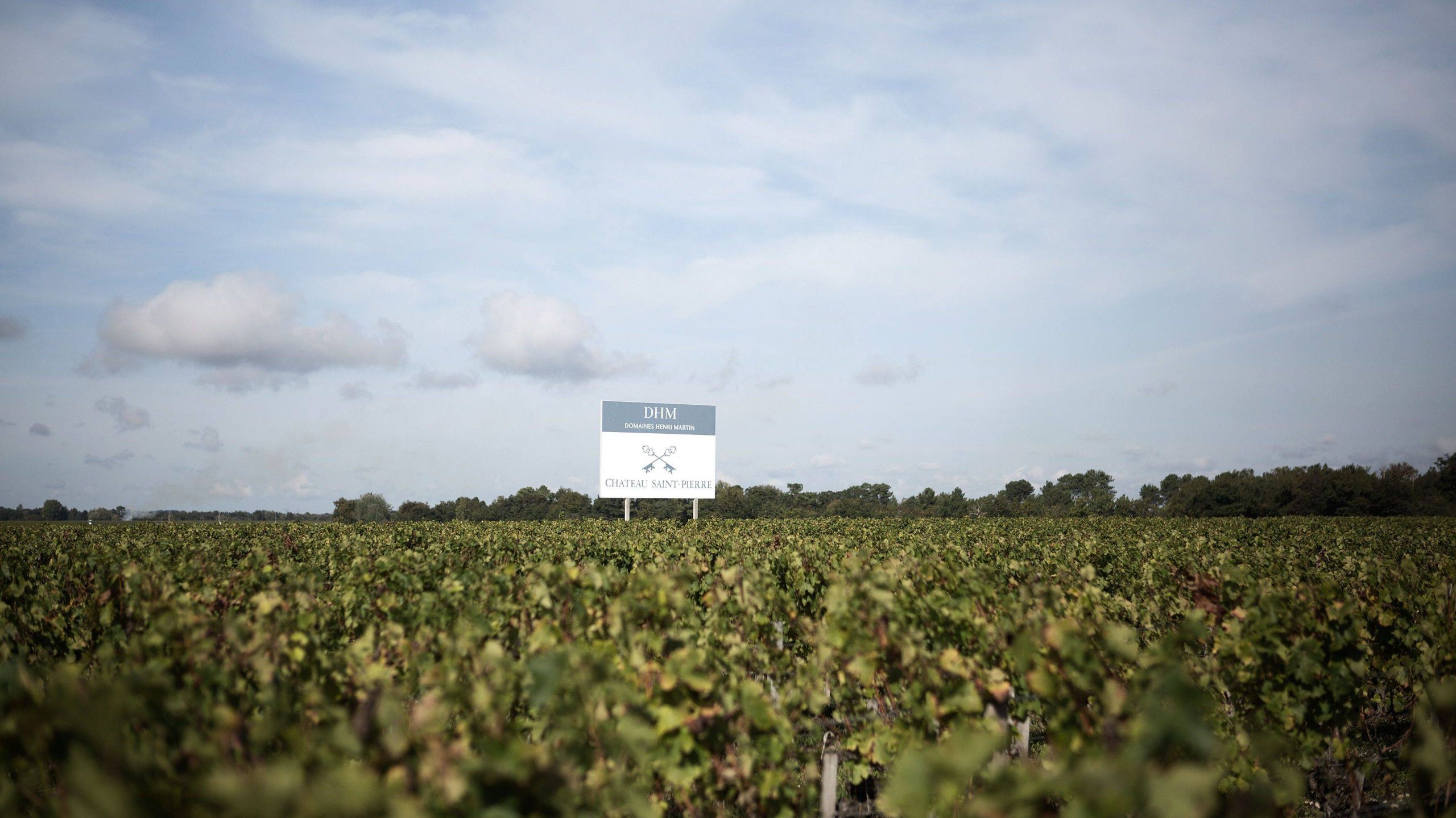
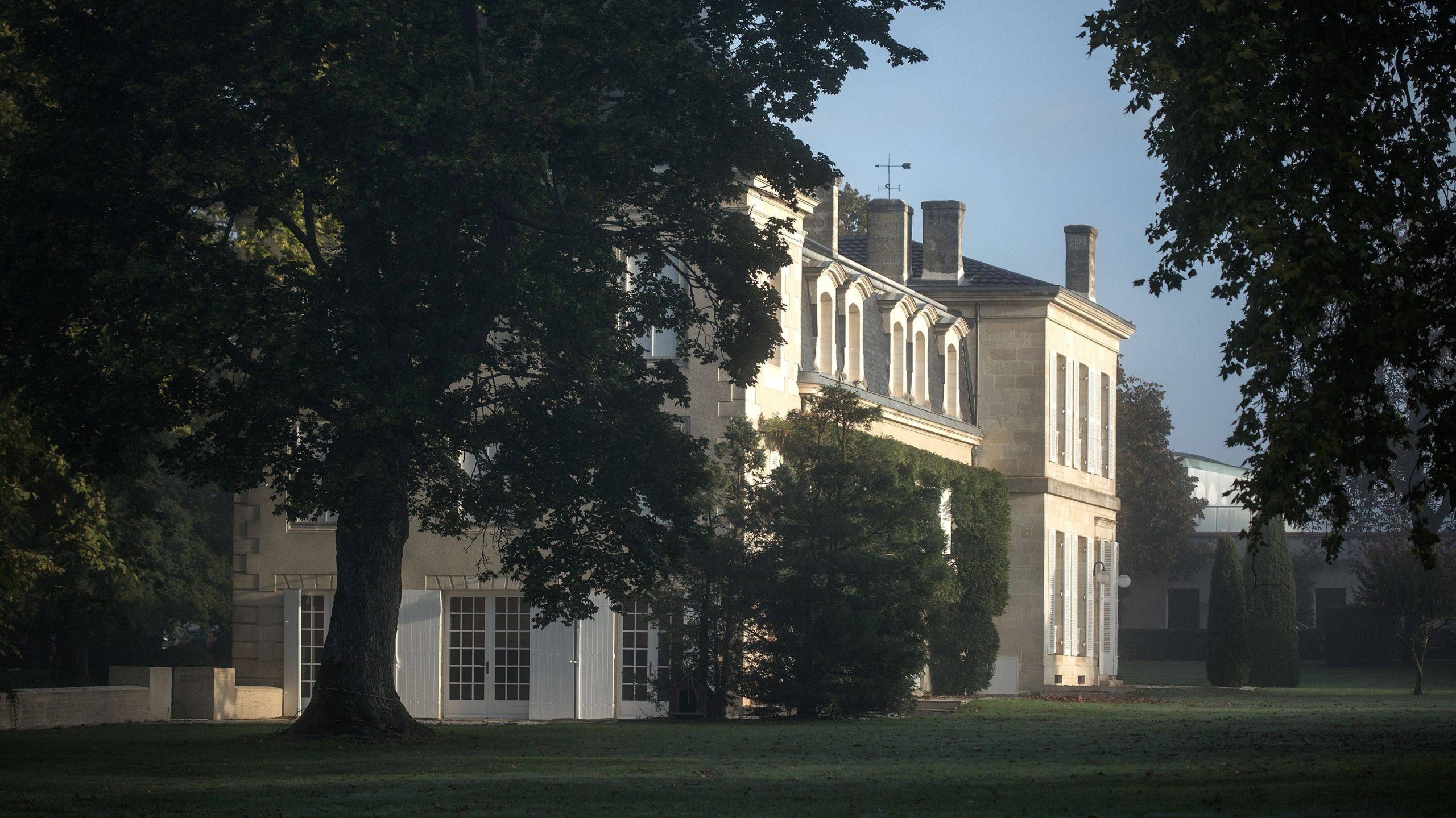
This estate, one of the oldest in the Médoc, has a long, long history. As early as 1693, the archives bear witness to the existence of a winery, then called “Serançan”, belonging to the Marquis de Cheverry. Under the reign of Louis XV, the Baron de Saint-Pierre bought the estate, gave it his name and kept it until his death. His inheritance was divided between his two daughters, which led to the property being split up. However, this did not exclude Saint-Pierre from the 1855 classification: it appeared at the top of the list of Quatrièmes Crus Classés. In 1892, Léon Sevaistre took over half of the château, so much so that by the end of the 19th century, Saint-Pierre was divided between two families and lived under two labels: Saint-Pierre-Sevaistre and Saint-Pierre-Sevaistre: Saint-Pierre-Sevaistre and Saint-Pierre-Bontemps Dubarry. Destiny is often singular. How can we explain the incredible trajectory that, over many years, step by step, led the Martin family to own Saint-Pierre? In the 1920s, an Antwerp wine merchant, Mr van den Busche, brought the two estates together, with the exception of the cellars bought by Alfred Martin, who was looking for space to store his barrels. In 1981, Henri Martin bought the Château Saint-Pierre residence, attracted by the site and the space, which would allow him to build a bottle cellar. In 1982, the final step was the purchase of the vineyard from the heirs of Mr van den Busche. Château Saint-Pierre-Sevaistre is dead, long live Château Saint-Pierre! Over the course of its long history, Château Saint-Pierre has been constantly divided up, regrouped and then split up again. After giving birth to Château Gloria, Henri Martin restored life and integrity to Château Saint-Pierre, bringing together the vineyard, the residence and the winery.
Château Saint-Pierre
4e Grand Cru Classé
Saint-Julien • 17 HA